Russia Ukraine talks could hit energy and defense ETFs
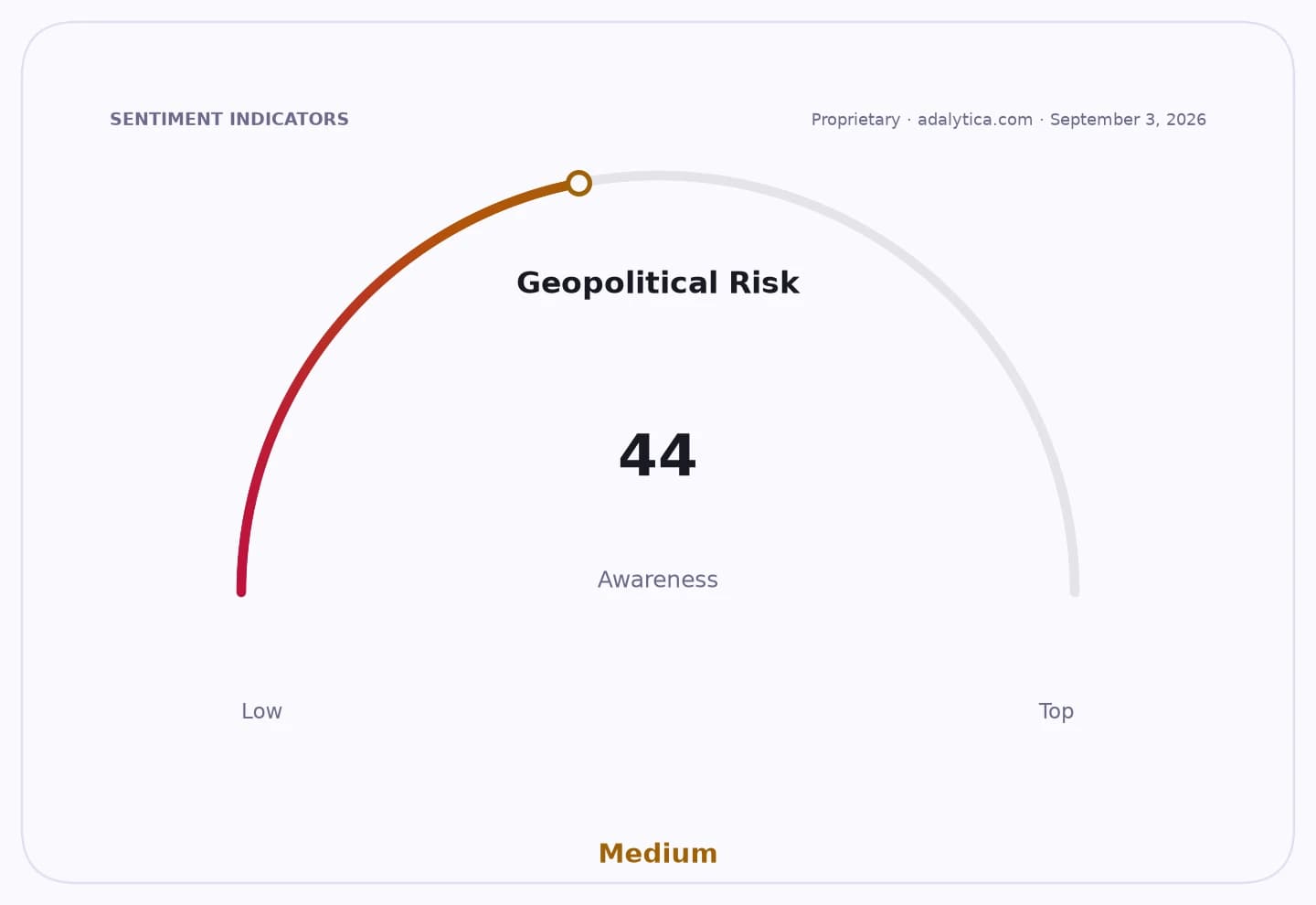
Russia’s declaration that it wants to end the war in Ukraine matters first and foremost because any credible move toward negotiations can quickly unwind a major geopolitical risk premium across energy, defense and broad global markets.
Vladimir Putin said Moscow is open to talks and wants “lasting, comprehensive peace” in Ukraine and Europe, the clearest public language yet that Russia is willing to frame the conflict as something that can be settled at the table. That does not mean a ceasefire is imminent. The broader context still points to a hard stalemate, with reports that Russia is preparing for possible escalation and Ukrainian officials warning the war remains deeply entrenched. But even a modest shift in tone can move markets because investors trade the probability of disruption, not just the final outcome.
The first economic channel is energy. Crude and refined-product markets remain sensitive to any sign that sanctions pressure, shipping risk or supply interruptions tied to the war could ease. The reaction in energy shares shows how quickly traders price that possibility: the XLE energy ETF has climbed to $65.10 from $53.39 on June 18, while XOP, which tracks oil and gas producers, has surged to $193.16 from $121.97 over the same period. Those gains tell you the market has been leaning on the oil complex as a hedge against geopolitical stress. If peace talks become more than rhetoric, that premium can compress fast, even if supply fundamentals stay tight.
Defense is the other side of the ledger. ITA, the aerospace and defense ETF, has been a clear beneficiary of the war-driven rearmament trade, even after a recent pullback to $223.37 from a recent high near $242.79. A durable thaw in Ukraine would not erase years of NATO restocking or the broader global rise in defense budgets, but it could slow the urgency behind some near-term procurement momentum. That is why the market’s winners and losers may diverge sharply: energy bulls may give back some of the risk premium, while defense names could see their multiple expansion moderated.
The bigger narrative is that geopolitics is still one of the market’s most powerful macro variables. Investors have spent years learning that the war in Ukraine feeds directly into inflation expectations, shipping costs, European growth, sovereign risk and capital rotation into hard assets and defense contractors. A genuine diplomatic breakthrough would be disinflationary at the margin and supportive for cyclicals, transport and parts of Europe. But until there is a verifiable process, not just a statement, traders will continue to treat Putin’s comments as a headline risk rather than a regime change.
For investors, the opportunity is in positioning for volatility, not certainty. The market underestimates how quickly a peace headline can hit energy and defense multiples, but it also underestimates how fragile any diplomatic opening remains. Keep watching crude-linked funds, oil producers and defense ETFs for the first move; those are the most direct gauges of whether this is the start of a real negotiation cycle or just another tactical signal from Moscow.
| Entity | Gains | Losses |
|---|---|---|
| Energy consumers | ▲Lower risk premium | ▼Less protection from spikes |
| Oil producers | ▲Steady war premium if talks fail | ▼Pricing power if peace advances |
| Defense contractors | ▲Continued rearmament demand | ▼Slower urgency if tensions ease |
| European equities | ▲Lower geopolitical discount | ▼None if war escalates again |