Russia Ukraine War Raises Europe Defense Spending
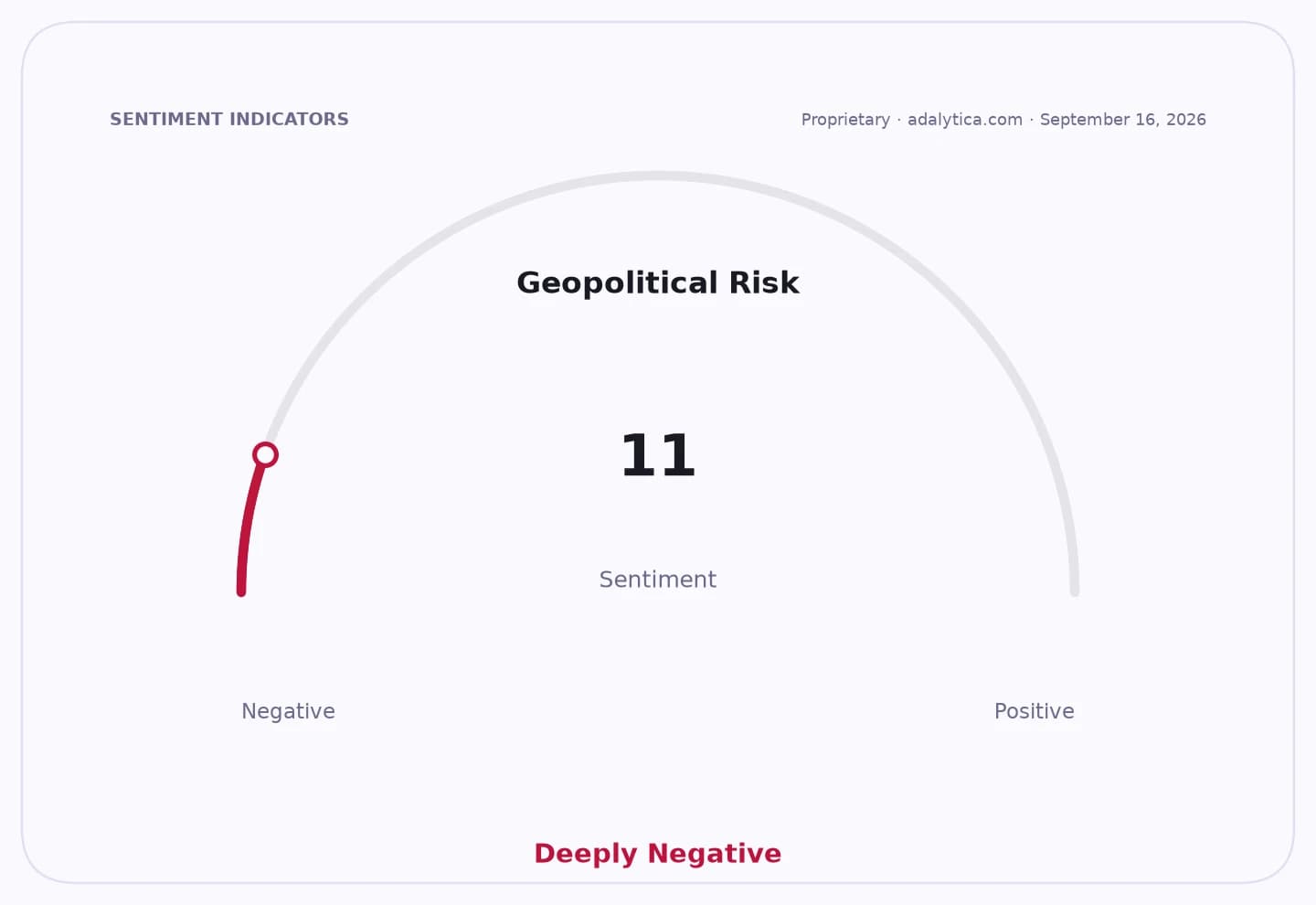
Zelensky’s claim that Russia twice tried to hit his presidential aircraft in Moldova underscores a sharper, more dangerous phase of the war: Moscow is no longer only pounding Ukraine’s cities and energy grid, but probing the airspace and political perimeter of NATO and EU countries as well.
That matters because each step closer to the alliance’s frontier raises the odds of a wider escalation, while also hardening Europe’s response. Poland is already moving to reinforce its border crossings with Ukraine with engineers, fortifications and extra troops. NATO has had to shoot down a drone that crossed into Lithuanian airspace from Belarus. And EU foreign policy chief Kaja Kallas is pressing member states to share more intelligence on what Brussels now openly describes as Russian hybrid activity.
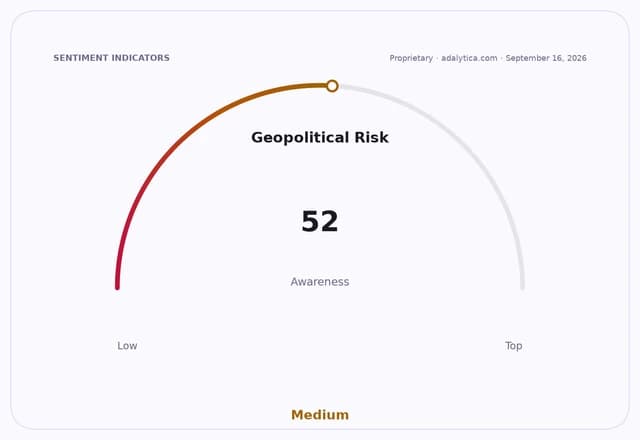
For investors, the message is unmistakable: geopolitical risk in Europe is not fading, it is migrating. A war that once looked like a regional grinding conflict is increasingly shaping defense budgets, border-security spending, energy security planning and the premium attached to assets exposed to Eastern Europe. That is exactly the kind of backdrop that keeps capital flowing toward defense contractors, surveillance systems, drones, electronic warfare, munitions and border infrastructure.
The market has already started to price that in. Lockheed Martin and RTX have both enjoyed large run-ups this year as investors chased exposure to rearmament and missile-defense demand. Their shares have since pulled back from recent highs, but the broader investment case has not changed: Europe’s security architecture is being rewritten in real time, and procurement will not reverse just because headlines cycle.
At the same time, the conflict is growing more economically disruptive. Russia and Ukraine continue to trade drone strikes on refineries, gas stations, ports and rail links despite Donald Trump’s claim that both sides had agreed to avoid energy infrastructure. The gap between rhetoric and battlefield behavior tells you how fragile any de-escalation really is. For energy markets, that means supply risk remains live. For shipping, logistics and industrial metals, it means transport corridors across the Black Sea and Eastern Europe remain vulnerable.
The deadlier the war becomes near Moldova, Poland and the Baltic states, the stronger the case for buying the infrastructure and defense names that profit from permanence, not peace. I believe the market is still underestimating how long this rearmament cycle can run. The best opportunity is not in trying to call an end to the war, but in positioning for the prolonged militarization of Europe’s eastern flank.
| Entity | Gains | Losses |
|---|---|---|
| Defense contractors | ▲Higher procurement demand | ▼Peace dividend hopes |
| Border-security suppliers | ▲More fortification spending | ▼Open-border assumptions |
| NATO/EU hardliners | ▲Stronger case for deterrence | ▼Risk of escalation fatigue |
| Russia’s war economy | ▲Tactical pressure on Ukraine | ▼Wider sanctions and isolation |