Russia veteran candidates in parliamentary election
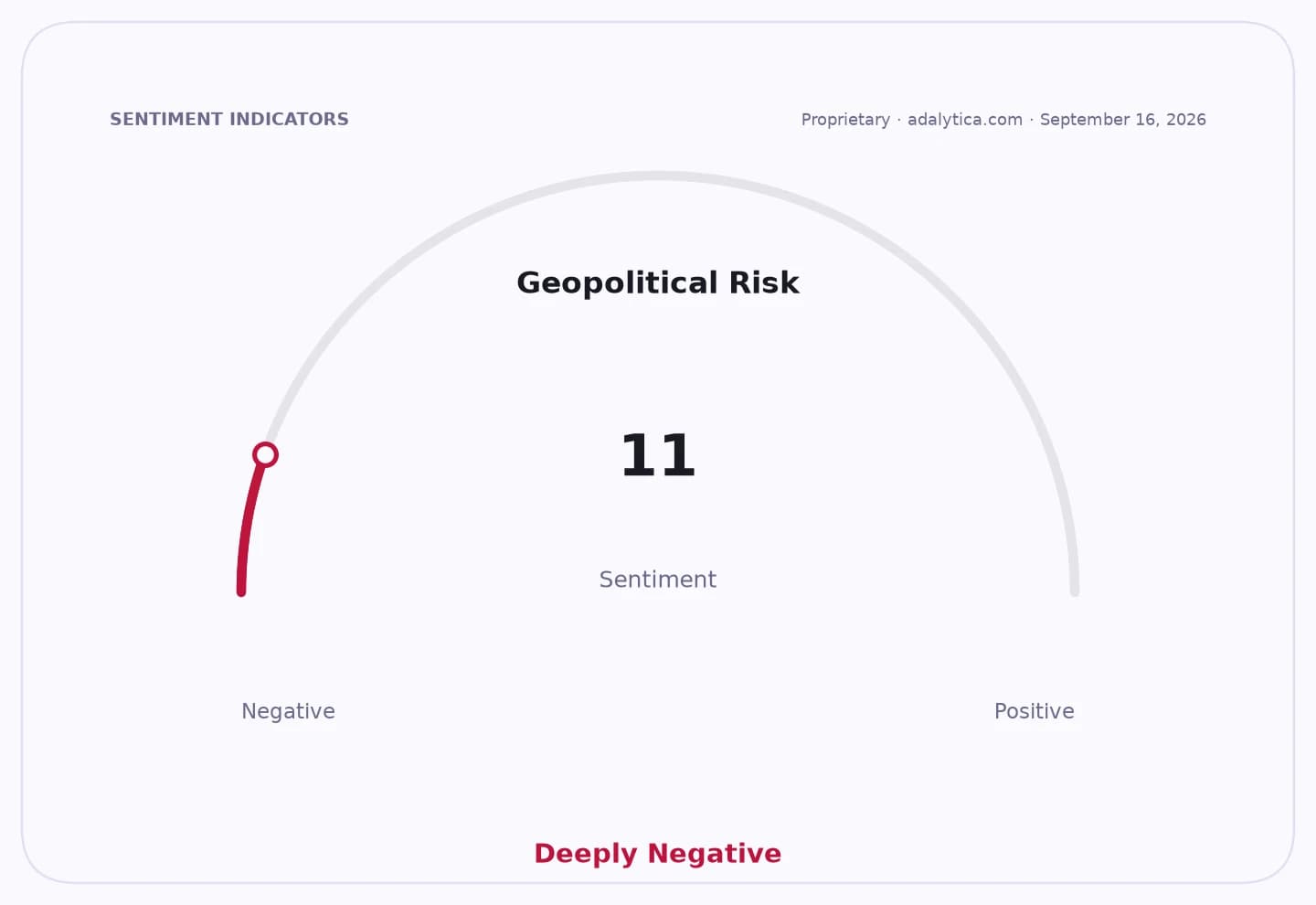
Russians who fought in Ukraine are front and center in this week’s parliamentary election, as the Kremlin tries to convert wartime service into political loyalty while containing the harder question of what to do with tens of thousands of veterans when they come home.
That matters because the campaign is less about a competitive vote than about managing the domestic afterlife of a 4 1/2-year war. By elevating veterans as candidates, President Vladimir Putin’s team is signaling to potential recruits that battlefield service can still lead to status and career advancement, even as independent analysts say most of these figures will never gain real power inside Russia’s tightly controlled political system.
Nearly 200 candidates have served in Ukraine, election officials say, a striking share in a Duma race that begins Friday and will also take place in areas of Ukraine Russia illegally annexed. The Kremlin is using the vote to reinforce its narrative that support for the war is broad and durable, while wrapping the process in a veneer of legitimacy.
The investment angle is indirect but important: wars do not end cleanly at the front line, and the political management of veterans often becomes a leading indicator of regime stability, labor-market strain and social risk. Russia’s own officials have acknowledged the scale of the problem. Sergei Novikov, an official in the presidential administration, said in December that about 167,000 servicemen had returned from Ukraine, while also warning that “tens of thousands” of veterans remained jobless, creating a “dangerous risk zone.”
That is the real tension in Moscow’s strategy. The Kremlin wants the optics of honoring veterans, but not the political autonomy of a large, armed, embittered constituency. Analysts cited in the report say the state is offering symbolic promotions and curated programs such as “Time of Heroes,” which has accepted only 168 people from more than 65,000 applicants, rather than opening meaningful power centers to men with battlefield credentials. In other words, the regime is promoting loyalty, not influence.
The candidates themselves underline that point. Vladislav Golovin, a 29-year-old ruling-party candidate wounded at Mariupol and later placed in Putin’s veterans program, is a highly visible emblem of the effort. So is Yevgeny Poddubny, a state TV war correspondent and candidate for United Russia, and Alexei Vereshchagin, an ultranationalist figure who speaks the language of the “Russian World” but is also the subject of Ukrainian allegations tied to wartime abuses.
For investors, the broader lesson is that Russia’s war economy is becoming a politics economy as well: the state will keep funding loyalty, rewarding visible insiders and suppressing the downside of demobilization for as long as it can. That supports the status quo in the near term, but it also keeps alive a latent social risk from underemployed veterans, criminality and postwar disappointment. In geopolitical terms, that is one more reason the Kremlin is unlikely to pivot quickly away from militarization, sanctions pressure or confrontation.
The market consequence is not a direct trade, but a regime that must keep rewarding war-linked elites tends to stay defense-heavy, sanctions-adapted and domestically repressive. The longer Moscow needs to sell the war as a path to advancement, the harder it becomes to unwind the conflict’s economic footprint. That is why the veteran candidate push is more than campaign theater: it is a window into how Russia plans to manage the next phase of a war that now reaches deep into its own political system.
| Entity | Gains | Losses |
|---|---|---|
| Kremlin / United Russia | ▲War legitimacy | ▼Political credibility |
| Veteran candidates | ▲Visibility and patronage | ▼Real power |
| Potential recruits | ▲Status promises | ▼False expectations |
| Russian society | ▲Managed optics | ▼Social strain and crime |