Russia war economy shifts toward China dependence
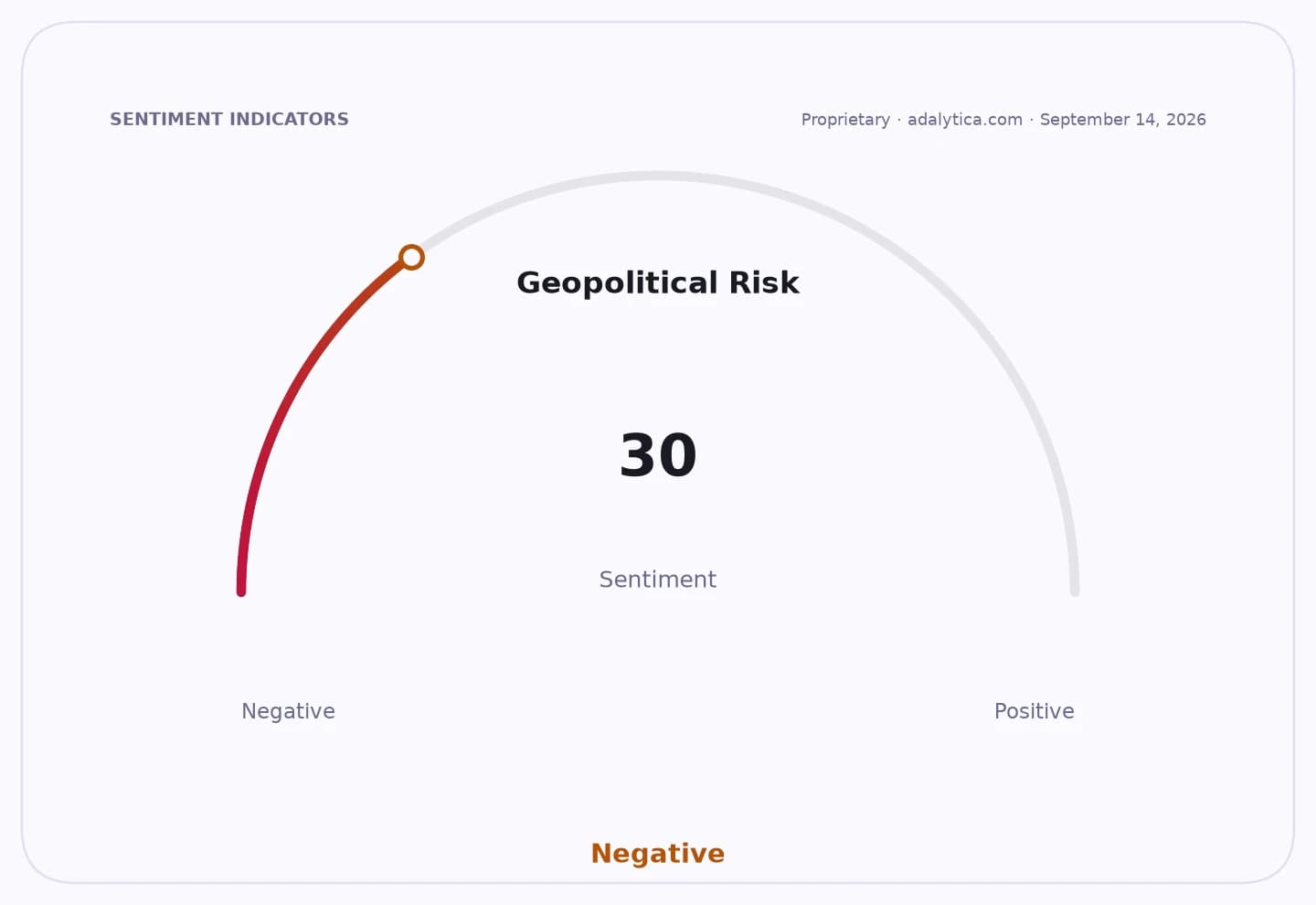
Russia is drifting toward a Soviet-style system with market mechanics still intact, according to a Carnegie expert who says the war is hardening the economy into a long-lasting military machine that can generate just enough cash to sustain itself.
That matters because the main economic question is no longer whether Russia is growing normally, but whether it can keep financing a prolonged confrontation with Ukraine and the West despite slower growth, worsening demographics and deeper dependence on China. For investors, it raises the odds that sanctions, defense spending and geopolitical risk remain embedded in energy, commodities and Europe-facing assets for years rather than months.
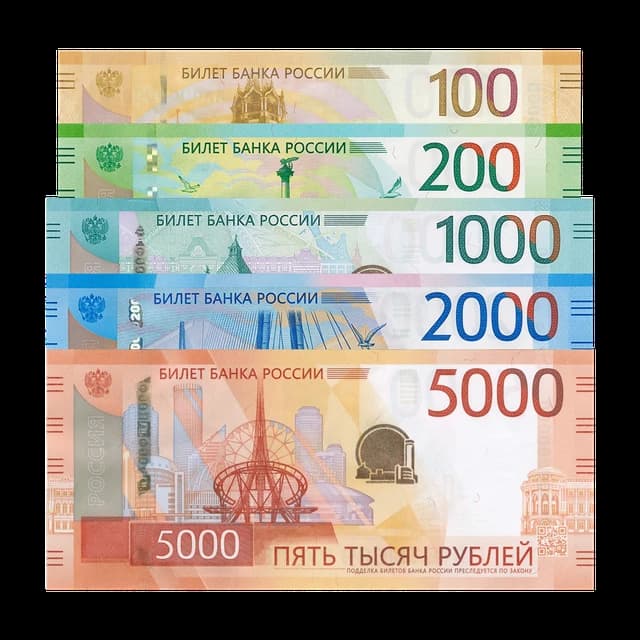
Alexander Gabuev, director of the Carnegie Russia Eurasia Center in Berlin, told the Riga Conference that Russia has crossed a psychological threshold and is prepared to absorb losses, making the conflict more durable and the threat to Europe more serious. His argument is not that Russia has become command-economy Soviet again in a literal sense, but that the state has increasingly subordinated the economy to war aims while preserving enough flexibility to adapt, source imports and keep revenue flowing.
The distinction matters. A fully broken economy would eventually constrain Moscow’s ability to fight. A war economy that can still raise taxes, redirect spending, lean on commodity exports and substitute Chinese technology is more dangerous for markets because it can sustain conflict without obvious collapse. Gabuev said growth is slowing, but that should not prompt complacency: the economy is likely to produce precisely as much money as the military machine needs.
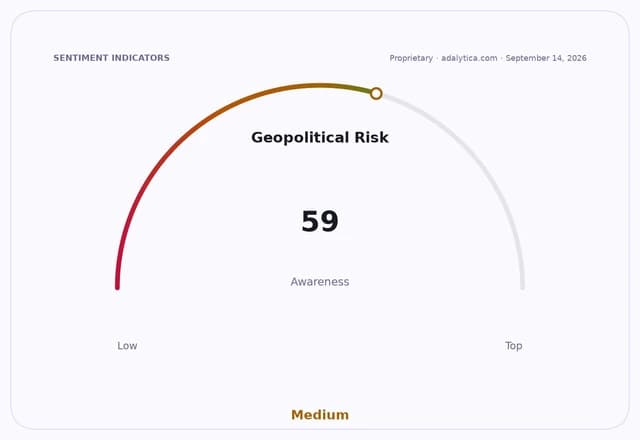
That dynamic helps explain why renewed strikes on Kyiv and the collapse of a brief pause in fighting have done little to alter the strategic backdrop. Even as U.S. envoys pushed a peace plan, Russia resumed attacks on Ukraine’s capital, underscoring that negotiations remain secondary to a battlefield strategy designed to grind down Ukrainian resistance and pressure the West. The war is also producing a new elite — technocrats, security officials and business figures whose careers are being shaped by confrontation — which makes a future political reversal harder.
China sits at the center of that model. Gabuev said the relationship is mutually beneficial but deeply asymmetric: Russia has energy and raw materials, while China has technology, finance and a far larger domestic market. As sanctions persist, Moscow has fewer alternatives, and its room to maneuver with India, Indonesia or others is limited by geography and scale. Over time, that dependence could weaken Russia’s strategic autonomy even if it helps the economy and military survive in the near term.
For investors, the implication is a longer period of geopolitical fragmentation. European policymakers are likely to keep treating Russia as a structural security threat, which supports defense spending and keeps sanctions risk elevated. Energy markets may also face recurring shocks if Russia’s war footing or export strategy changes. The bullish case for Moscow is resilience; the bearish case is that that resilience comes at the cost of a shrinking, more China-dependent economy that is increasingly locked into permanent confrontation.
The next test is whether the West can sustain containment without accidental escalation and whether China is willing to deepen its role as Russia’s indispensable economic backer. If that relationship intensifies, Russia’s war economy may remain viable far longer than many in Europe still assume.
| Entity | Gains | Losses |
|---|---|---|
| Kremlin / Russian state | ▲war financing capacity | ▼economic autonomy |
| China | ▲leverage over Russia | ▼strategic distance from conflict |
| Europe / NATO | ▲defense-sector urgency | ▼energy and security stability |
| Ukraine / peace efforts | ▲diplomatic pressure | ▼ceasefire prospects |