Russian new-car demand rises 7.7% on Avito
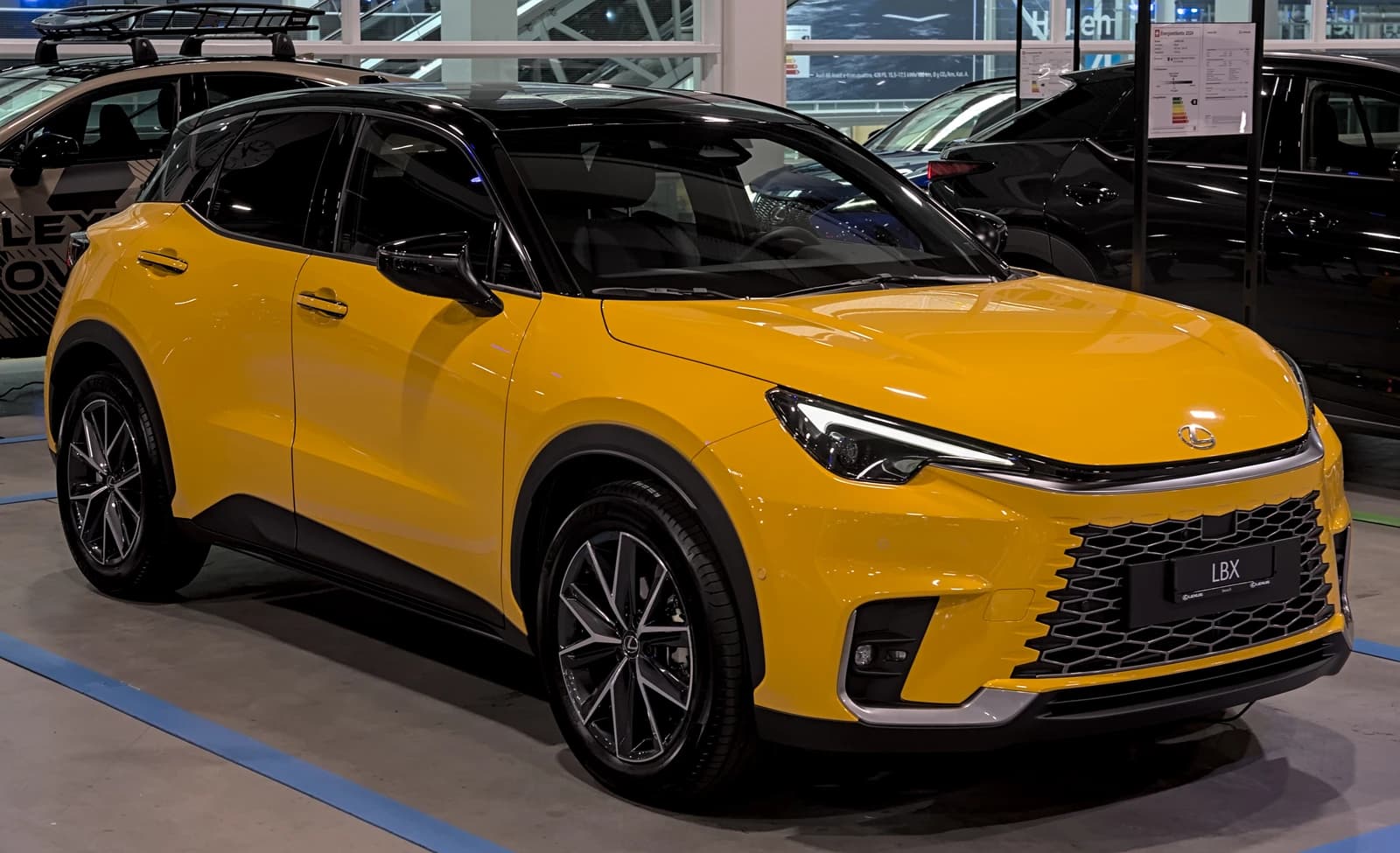
Demand for new cars on Avito Auto rose 7.7% from a year earlier, underscoring a Russian auto market that is stabilizing after a period of policy-driven volatility and still finding pockets of growth, especially in electric vehicles and hybrids.
The increase matters because it suggests buyers are returning not to chase bargains, but because financing conditions and sticker prices have become more predictable. Avito said interest in new cars strengthened as the central bank cut its key rate and prices stayed broadly stable, a combination that can help unlock deferred demand in a market where affordability and credit access remain the main constraints.
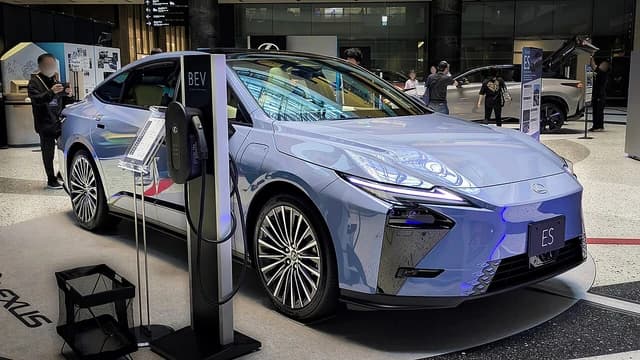
The shift is most visible in electrified vehicles. Demand for electric cars and hybrids was 22.9% higher than a year earlier over the summer and jumped 71% in August, while their share of Avito Auto listings reached 4.5%. That is still a small slice of the market, but it points to a segment growing much faster than the broader industry and increasingly shaped by Chinese and local brands such as Evolute and Voyah.
The broader new-car market, meanwhile, looks more balanced than a year ago. Avito said dealers are not sitting on a large stock overhang, sales are expected to end roughly flat with last year, and price changes are becoming more gradual. The average new car cost 4.7 million rubles, while electric vehicles and hybrids averaged 8.5 million rubles, a reminder that the market’s growth is being driven by buyers with access to higher-end models or financing rather than a broad-based consumer recovery.
Brand trends also show how demand is shifting within the market. Hongqi led growth, with user interest up 5.1 times from a year earlier, while Belgee and Jaecoo each gained more than 50%. At the model level, Lada Granta, Tenet T7 and Haval Jolion were the most sought after, while Belgee X70 saw the sharpest price decline, down 10.2% to 2.8 million rubles. That kind of pricing pressure suggests competition is intensifying even as overall demand improves.
For investors, the story is less about one month’s sales bump than about the direction of the Russian consumer auto cycle. If rates keep falling and pricing remains orderly, dealers and financiers could see steadier turnover into year-end. The risk, as Avito noted, is that second-half growth may look weaker than the first half because last year’s buyers rushed in after news of a higher scrappage fee, making the comparison tougher. The key test now is whether demand can hold without another policy trigger.
| Entity | Gains | Losses |
|---|---|---|
| Russian new-car buyers | ▲Better financing conditions | ▼Less room for price bargains |
| Dealers | ▲More balanced inventory | ▼Slower second-half growth risk |
| EV and hybrid brands | ▲Faster demand growth | ▼High-price sensitivity |
| Traditional mass-market brands | ▲Stable baseline demand | ▼Share pressure from Chinese entrants |