Rwanda stops importing maize, wheat and soybean seeds
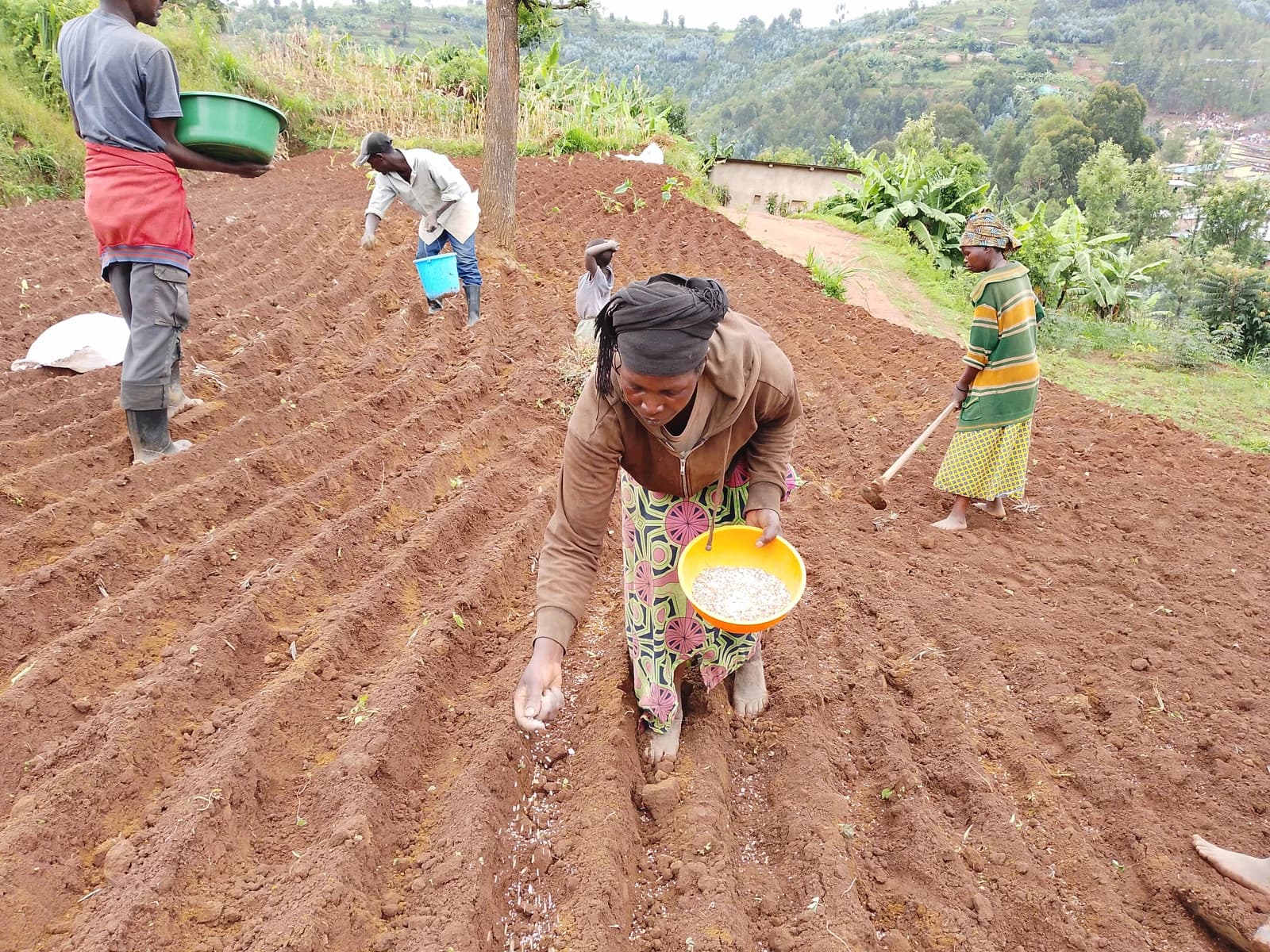
Rwanda’s decision to stop importing maize, wheat and soybean seeds next season is a meaningful shift for food security, farm economics and the wider agricultural supply chain.
The move matters because seed is the starting point for crop yields. If Rwanda can meet demand with domestic supply, it reduces dependence on foreign suppliers, keeps more spending at home and gives the government more control over what farmers plant and when. For a country that has been trying to strengthen agricultural productivity, that is more than a procurement decision — it is a policy bet on local resilience.
Agriculture Minister Gerardine Mukeshimana said the government will not import the seeds for the coming Season A and will not subsidize farmers who choose imported seed. That makes the policy more forceful than a simple administrative preference. It effectively redirects farmers toward domestic seed varieties and local certified suppliers, while removing a financial backstop for imports.
For investors and agribusiness operators, the significance is straightforward: a protected local market usually means better visibility for domestic seed producers, distributors and certification businesses, but less access for imported seed suppliers. Over time, that can encourage investment in local seed multiplication, processing and quality control — the kinds of capabilities that tend to compound benefits across an agricultural economy.
The broader economic logic is also clear. Countries that rely heavily on imported inputs are more exposed to currency swings, transport costs and external supply shocks. By tightening control over seed supply, Rwanda is trying to insulate one of its most important sectors from those risks. That could help stabilize planting decisions and support output, especially in staple crops that feed both households and livestock systems.
Still, the success of the policy will depend on whether local seed stocks are high enough in quality and quantity to fill the gap without hurting yields. Farmers will care less about the nationality of the seed than about germination rates, disease resistance and harvest results. If local supply falls short, the policy could pressure production and farm incomes before any long-term benefits show up.
For long-term investors, the key takeaway is that this is a classic self-sufficiency story: near-term friction for import-dependent players, but a potential opening for domestic agricultural infrastructure, certified seed production and related input businesses. It is worth watching for signs that Rwanda can turn policy control into durable productivity gains.
| Entity | Gains | Losses |
|---|---|---|
| Rwandan seed producers | ▲Larger domestic market | ▼More pressure to scale fast |
| Rwandan farmers using local seed | ▲Policy support, local supply | ▼Less choice, possible yield risk |
| Imported seed suppliers | ▲None | ▼Lost access to Rwanda |
| Rwanda’s food security goals | ▲Lower import dependence | ▼Execution risk if supply is thin |