RWE coal plant outage raises security concerns
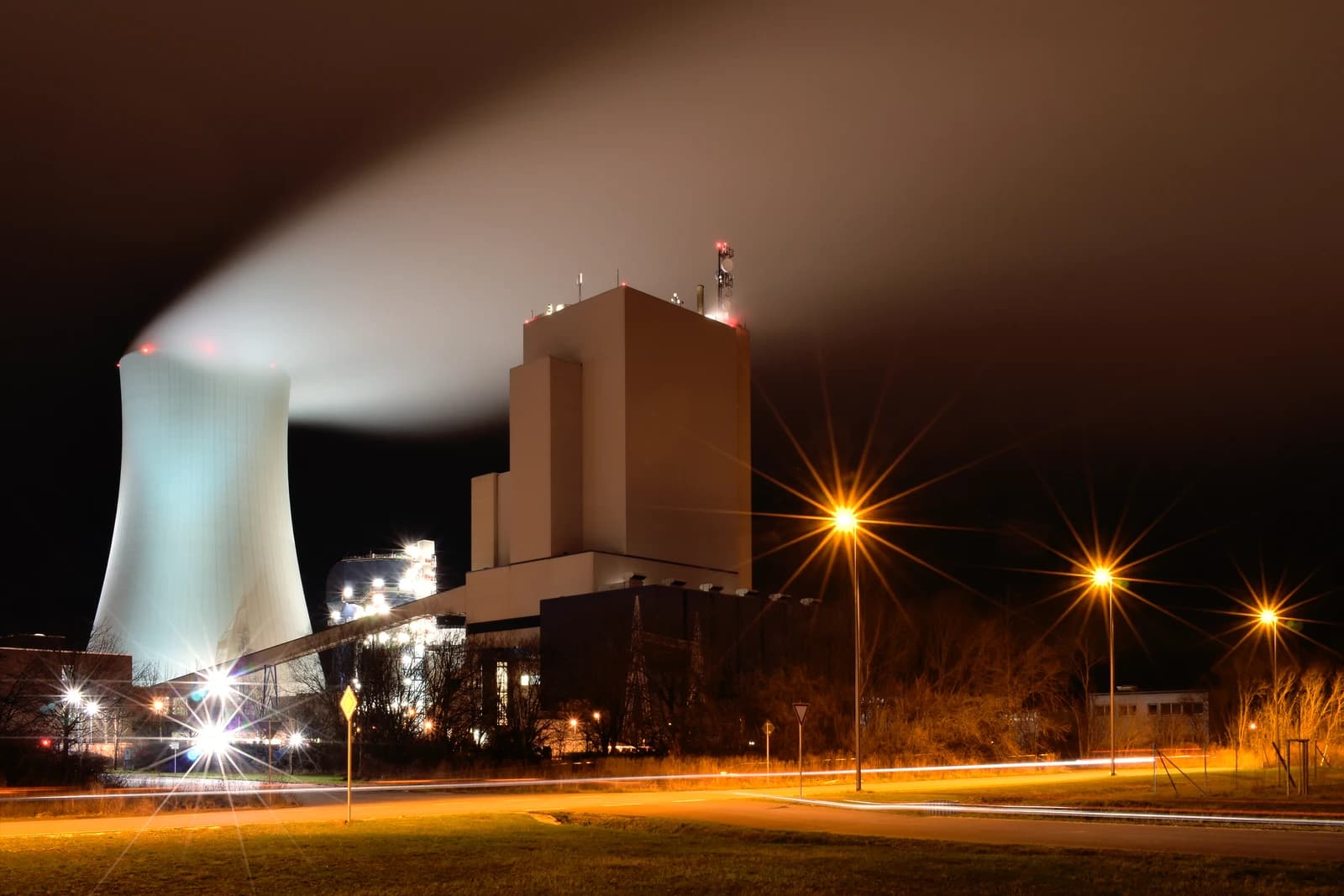
A suspected attack attempt has knocked out blocks at an RWE coal-fired power plant, underscoring how vulnerable Europe’s legacy energy infrastructure remains to sabotage and cyber-physical disruption at a time when grid reliability and power security are under close scrutiny.
The immediate economic significance is less about the plant itself than about the systemwide risk it highlights. Coal units still provide dispatchable capacity in parts of Europe when wind and solar output falter, and any disruption to that capacity can tighten regional supply, lift balancing costs and add volatility to wholesale power markets. For utilities, the incident raises the prospect of higher security spending, more frequent inspections and tougher operational controls across other critical assets.
For investors, the key issue is that attacks on energy infrastructure can turn a local operational event into a broader valuation problem. RWE shares and the wider European power sector are sensitive to outages that affect earnings visibility, maintenance costs and political pressure over energy security. The event also reinforces the market’s growing recognition that operational resilience — not just fuel prices or carbon policy — is becoming a material part of utility risk.
The timing matters. Europe’s power system is already navigating a fragile balance between decarbonization and reliability, while recent cyber incidents across airports, healthcare and public services have sharpened concern about critical infrastructure exposure. Adalytica’s Global Stability Sentiment gauge is at 48, neutral, but awareness is in “extreme fear” territory at 4, reflecting how quickly geopolitical and security shocks can reverberate through markets even when the macro backdrop appears calm.
RWE has been shrinking its coal footprint as part of the energy transition, but incidents like this show that fossil-fuel assets remain strategically important until replacement capacity, storage and transmission are fully built out. That leaves governments and utilities with a difficult trade-off: decommissioning carbon-heavy plants too quickly can weaken resilience, yet keeping them online increases the need for expensive protection and contingency planning.
For investors, the near-term watchpoints are whether operations are restored quickly, whether regulators or police identify a broader threat to infrastructure, and whether the incident prompts fresh scrutiny of plant security across Europe. The bigger takeaway is that energy transition portfolios now carry an added security premium, and companies that can prove operational hardening may command a lower risk discount than peers that cannot.
| Entity | Gains | Losses |
|---|---|---|
| RWE and peers | ▲resilience spending case | ▼outage risk, higher costs |
| Power buyers | ▲none | ▼supply tightness, price volatility |
| Security vendors | ▲stronger demand | ▼none |
| Short sellers | ▲none | ▼faster restoration, limited damage |