Samsung Electronics enters AI data center cooling
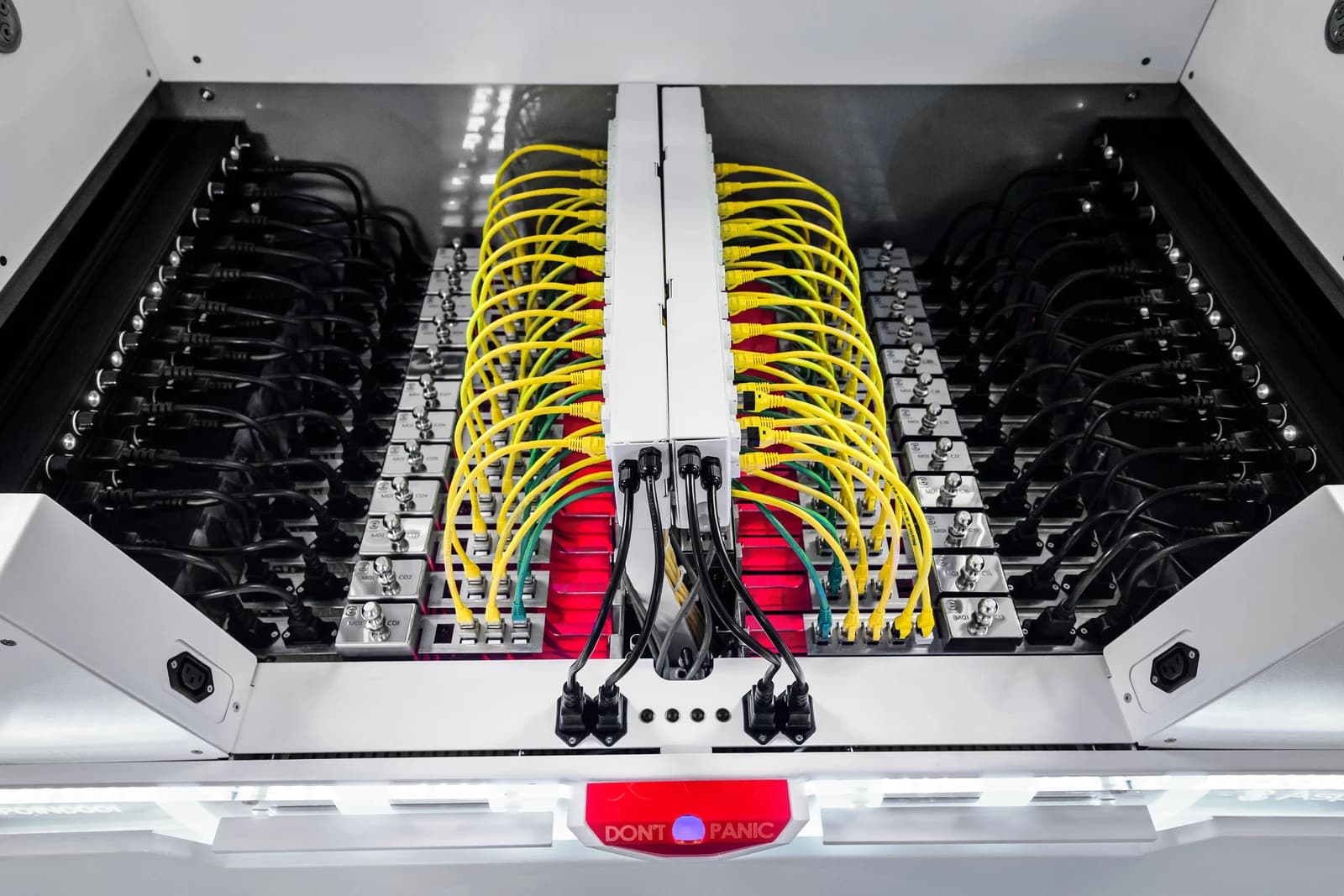
Samsung Electronics is moving beyond refrigerators and air conditioners into the much hotter market for AI data center cooling, a pivot that could give the South Korean company a new source of growth as demand for traditional consumer appliances slows and capital spending on artificial intelligence infrastructure accelerates.
The strategic logic is clear: AI servers generate far more heat than conventional computing equipment, and data center operators are increasingly turning to advanced cooling systems to keep energy costs and uptime under control. That makes thermal management one of the less visible but more economically important parts of the AI buildout, alongside chips, networking gear and power systems.
For Samsung, the opportunity is not just about selling more equipment. It is about moving into a higher-value part of the infrastructure stack where margins can be better defended than in mature home-appliance categories. The company has long had expertise in air conditioning, compressors and building climate systems, but data center cooling would push it into a market shaped by hyperscale cloud operators, colocation providers and enterprise IT buyers — customers that buy in bulk and care as much about efficiency and service as upfront price.
The timing also matters. Global investment in AI infrastructure is forcing data center operators to rethink how facilities are designed, with liquid cooling and other advanced thermal systems gaining share from traditional air-based setups. Suppliers that can offer integrated cooling solutions stand to benefit as operators look to cut electricity use and manage rising rack densities. That has already helped draw rivals such as Carrier Global and other climate-control specialists deeper into the segment.
The stock market is treating the theme as more than a side bet. Carrier shares have risen sharply in recent months and remain well above their 200-day moving average, though the latest price of $63.35 leaves the stock below a recent peak and with momentum easing. DuPont, another industrial name tied to advanced materials and thermal management, has also seen its shares climb materially from late 2025 levels before pulling back, suggesting investors are already pricing in some AI infrastructure exposure across the supplier chain.
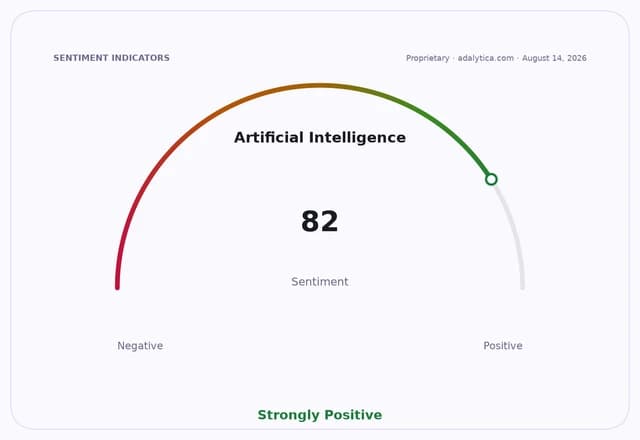
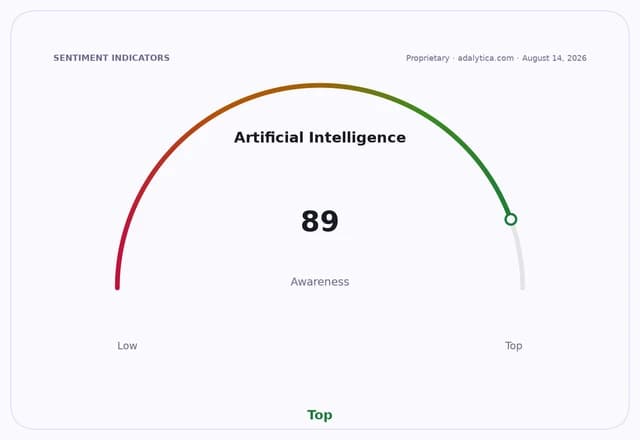
The broader AI trade remains intact, even if enthusiasm has been uneven. Adalytica’s AI sentiment gauge shows greed at 82 and awareness at 89, an extreme reading that points to sustained investor attention despite recent volatility. Nvidia’s sentiment reading is more neutral, underscoring that the market is still sorting winners in the buildout beyond chips themselves.
For Samsung, the bull case is that data center cooling becomes a durable adjacent business that leverages its manufacturing scale and brand credibility in climate systems. The bear case is that the market proves crowded, pricing remains competitive and the transition from consumer hardware to enterprise infrastructure takes longer than hoped. Either way, the move highlights a broader industrial shift: as AI spending migrates from semiconductors into the physical infrastructure that supports them, thermal management is becoming a strategic market in its own right.
Investors will be watching whether Samsung follows the familiar appliance playbook — volume, scale and distribution — or whether it can build the service and systems capability needed to win contracts in a data center market that is still being defined. Success would give the company a new growth engine at a time when its legacy businesses are under pressure to do more than just cycle with the consumer economy.
| Entity | Gains | Losses |
|---|---|---|
| Samsung Electronics | ▲New growth in AI cooling | ▼Dependence on appliances |
| Data center operators | ▲Better thermal efficiency | ▼Higher capex near term |
| Carrier Global | ▲AI cooling demand | ▼Share gains if Samsung scales |
| Traditional appliance rivals | ▲— | ▼More competition in climate systems |