Samsung Electronics Invests in Mistral AI
Samsung Electronics is moving deeper into the global AI supply chain, leading a KRW 4.7 trillion investment in French startup Mistral as it tries to secure a bigger role in the race for chips, software and cloud demand.
The deal matters because it links Samsung’s hardware strength with one of Europe’s most closely watched frontier-model developers at a moment when AI spending is broadening beyond US giants. For Samsung, the bet is not just about owning a stake in a hot startup. It is about building an ecosystem that can pull through demand for memory, foundry services, advanced packaging and AI devices, while reducing reliance on a narrow set of American customers.
The investment also underscores how the AI boom is becoming more global and more strategic. Samsung’s move comes alongside a broader push into AI infrastructure partnerships, including work with OpenAI and efforts to deepen chip research and development in Japan. Taken together, those steps show a company trying to turn its scale in semiconductors and consumer electronics into a platform position across the AI value chain.
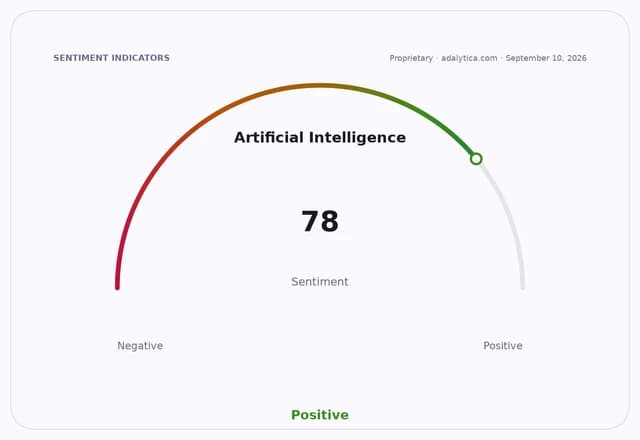
For investors, the logic is two-sided. Bulls will see Samsung using capital and partnerships to defend relevance in a market where Nvidia, TSMC and the major cloud providers have captured much of the early value. The company’s share price has already reflected optimism around the AI cycle, and standard technical indicators on the stock show it has been trading above both its 50-day and 200-day moving averages, a sign of sustained momentum. Bears will argue the strategy is expensive and execution-heavy: Samsung still needs to prove it can convert alliance-building into durable margins, especially if AI spending eventually cools or if competitors keep the most lucrative technology layers to themselves.
The Mistral investment also has geopolitical value. Europe has been trying to build homegrown AI champions, and Samsung gains a foothold in that effort while widening its international network beyond the US and Korea. That could help it in enterprise AI, sovereign AI projects and region-specific chip deals, areas where customers increasingly want non-US options.
The bigger narrative is that Samsung is no longer treating AI as a single-product opportunity. It is trying to become a multi-node participant in the ecosystem, from chips to models to devices. If the strategy works, the payoff could be a stronger position in AI hardware demand and a more resilient business mix. If it does not, Samsung risks tying up capital in a sector where scale is high, competition is fierce and returns may take time to arrive.
| Entity | Gains | Losses |
|---|---|---|
| Samsung Electronics | ▲AI ecosystem access | ▼Near-term capital burden |
| Mistral | ▲Fresh funding | ▼Greater strategic pressure |
| Nvidia | ▲Stronger AI demand backdrop | ▼More competition for ecosystem control |
| TSMC | ▲More advanced chip demand | ▼Less direct upside from software alliances |