Samsung Foundry Push Gains as TSMC Capacity Tightens
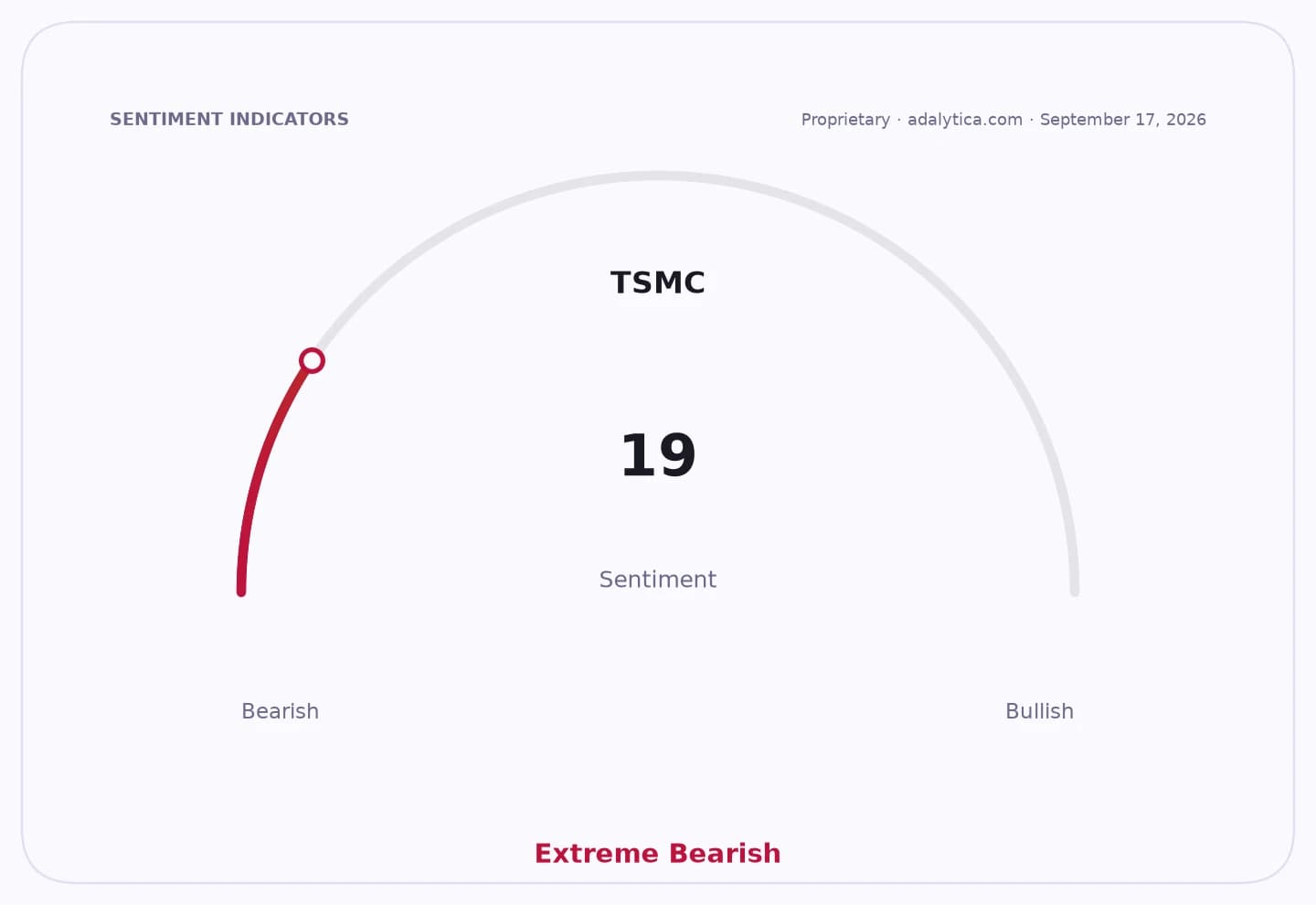
Samsung Electronics is leaning harder into the one opportunity that could reshape the chipmaking hierarchy for years: TSMC’s inability to satisfy booming demand for leading-edge wafers fast enough.
That matters because the foundry business is where the AI boom turns into real industrial power. The company that controls advanced manufacturing capacity can become a gatekeeper for everything from custom AI accelerators to smartphones and high-performance computing chips. For investors, the fight between Samsung and Taiwan Semiconductor Manufacturing Co. is not just a customer grab — it is a contest over who captures the next wave of secular semiconductor spending.
Samsung is hiring foundry sales staff in San Jose to pursue hyperscalers building their own AI accelerators and fabless chip designers, according to a job posting cited in the report. The timing is telling. With demand for 2-nanometer and 3-nanometer production still outrunning supply, customers are facing delays at TSMC, whose client list includes Apple, Nvidia, AMD, Qualcomm, Google, Amazon and Microsoft.
When production slots get tight, chip designers do not stop ordering — they start hedging. That creates a practical opening for Samsung, which remains the only other major player with the scale to offer leading-edge manufacturing. Even if migrating a design is expensive and time-consuming, large customers can split orders between foundries or shift older products to Samsung to reduce concentration risk.
For Samsung, the potential payoff is substantial. Its memory business is already generating outsized profits in the current supercycle, and management appears willing to use that cash to support a foundry push that has long lagged TSMC. Samsung said on its July earnings call that it had secured 2-nanometer projects from cloud and AI customers, suggesting the capacity crunch is already turning into booked business rather than just interest.
Broadcom could be another important door-opener. Samsung agreed in July to pursue more than $200 billion of cooperation with Broadcom through 2030 across memory and foundry, a relationship that could help Samsung win more AI-related orders. If more hyperscalers decide they need a second source for advanced chips, Samsung’s foundry share could improve from the single digits toward the double digits some industry watchers say are necessary for the unit to gain real strategic weight.
TSMC is not standing still. It plans to raise 2-nanometer and 3-nanometer output by about 20% by the first half of next year, while expanding in Arizona and Japan. But the immediate message to investors is clear: capacity remains tight enough that Samsung can compete not on price alone, but on availability.
That makes the next two to three years especially important. If Samsung can convert this supply shortage into durable customer wins, the payoff would extend well beyond one quarter of revenue. It would mean a stronger position in the most valuable part of the semiconductor stack, more diversified earnings and better leverage to AI spending.
For long-term investors, the story is less about a quick share shift than about whether Samsung can finally turn foundry into a meaningful second engine alongside memory. If it does, the market may eventually reward the stock for a more resilient, higher-quality earnings mix. Worth watching closely.
| Entity | Gains | Losses |
|---|---|---|
| Samsung Electronics | ▲New foundry orders | ▼Reliance on memory cycles |
| TSMC | ▲Higher capacity utilization | ▼Customer diversification pressure |
| AI chip designers | ▲More sourcing options | ▼Higher switching costs |
| Investors in Samsung | ▲Potential foundry re-rating | ▼Execution risk |