Samsung and SK Hynix face chip talent competition
The real bottleneck in protecting semiconductor technology is not just equipment, patents or export controls — it is keeping the engineers and researchers who know how to make the chips work.
That was the message running through the latest corporate and industry developments in South Korea, where competition for chip talent is intensifying just as the global semiconductor supply chain pushes deeper into next-generation AI and advanced manufacturing. The fight over people matters because chip know-how is cumulative: once design, process and yield expertise walks out the door, it can be harder to rebuild than a fab or a balance sheet.
The stakes are especially high for South Korea, home to Samsung Electronics and SK Hynix, two companies at the center of memory and advanced logic supply. Samsung’s shares closed at 259,500 won on Sept. 11 after swinging between 256,500 won and 261,500 won, leaving the stock roughly flat around its 50-day moving average. SK Hynix ended at 1,812,000 won, also holding above its 50-day average, after a summer surge and pullback that mirrored investor nerves over the durability of the AI chip trade.
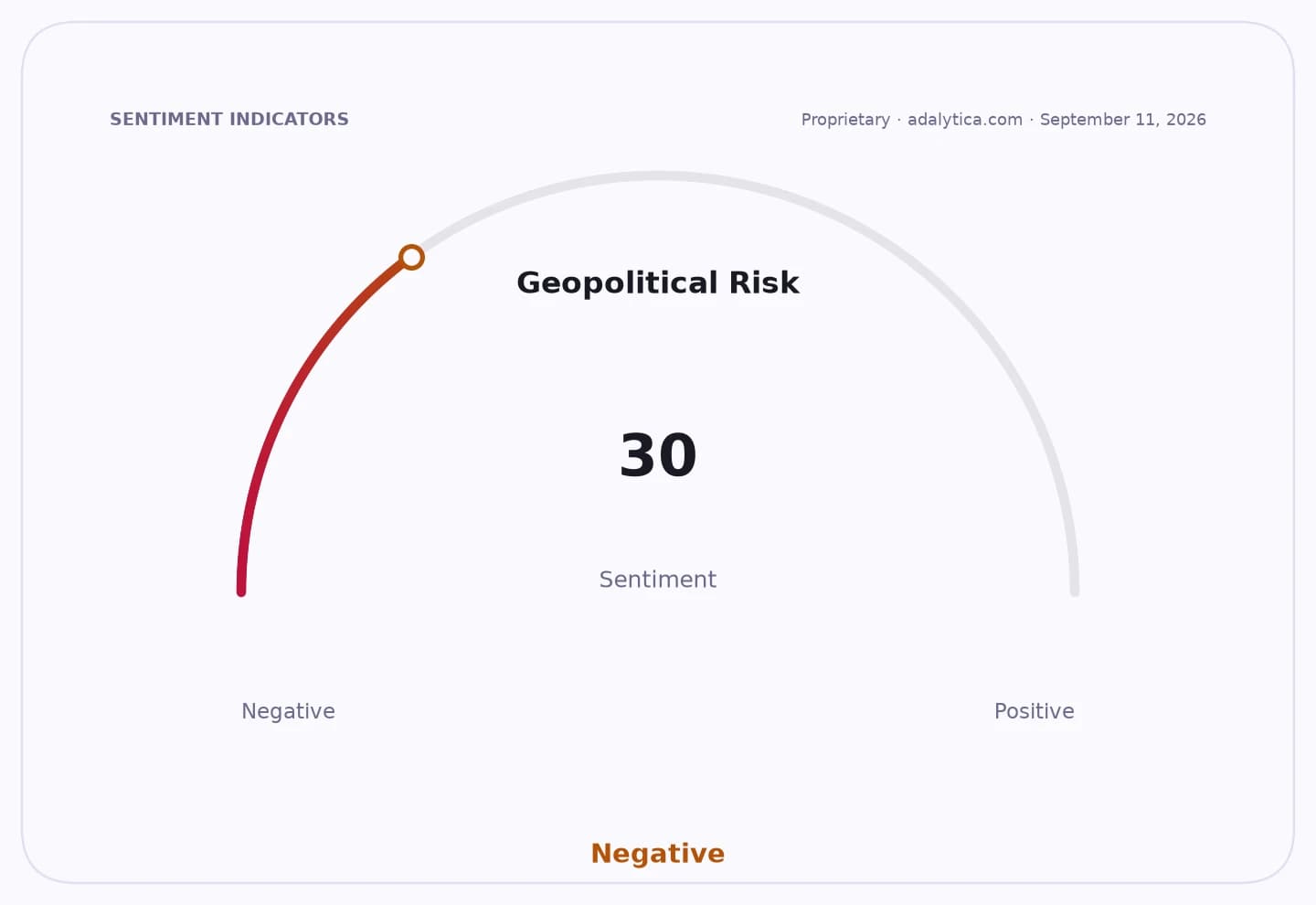
The market is still pricing in strong semiconductor demand, but not without caution. Samsung’s RSI reading of 52 suggests neither overbought nor oversold conditions, while SK Hynix’s 62.3 points to firmer momentum. Both names have rebounded from earlier volatility, but the broader backdrop remains fragile: the S&P 500 is flashing “Extreme Fear” in Adalytica’s trade-signal snapshot, and global stability sentiment has fallen to “Fear,” reflecting a market that is still sensitive to any disruption in technology supply chains, tariffs or geopolitical friction.
That matters economically because semiconductors are no longer just an export industry for South Korea; they are a strategic asset tied to national productivity, trade performance and industrial policy. The sector’s value is increasingly tied to human capital — process engineers, materials specialists, equipment integration teams and design talent — precisely the group most vulnerable to poaching by rivals, overseas labs or better-funded AI projects.
The idea also fits the broader direction of the industry. Analog Devices’ $1.35 billion deal for Alif Semiconductor underscores the premium being paid for specialized chip expertise, while Samsung’s collaboration with OpenAI to develop and produce next-generation chips shows how aggressively global players are lining up talent, capacity and design partnerships. In this environment, workforce retention is part of technology protection: companies that lose people lose learning curves, and learning curves are where margins are made.
For investors, the issue cuts both ways. Names with deep engineering benches and strong retention should have a better chance of defending pricing power and maintaining production yields. Companies that fail to hold on to top staff risk slower innovation, lower utilization efficiency and eventually weaker returns on the massive capital being poured into new chip capacity.
The next catalyst is whether the AI investment cycle continues to translate into earnings and order growth without triggering a new round of labor churn, regulatory friction or export restrictions. If talent stays put, the semiconductor winners can keep widening their lead; if it moves, technology protection becomes much harder to enforce.
| Entity | Gains | Losses |
|---|---|---|
| Samsung Electronics | ▲Retains chip know-how | ▼Faces engineer poaching |
| SK Hynix | ▲Preserves AI memory edge | ▼Higher talent-retention costs |
| Global chip rivals | ▲Win if they attract talent | ▼Lose if South Korea locks it in |
| Semiconductor investors | ▲Benefit from stable innovation | ▼Hurt by rising turnover risk |