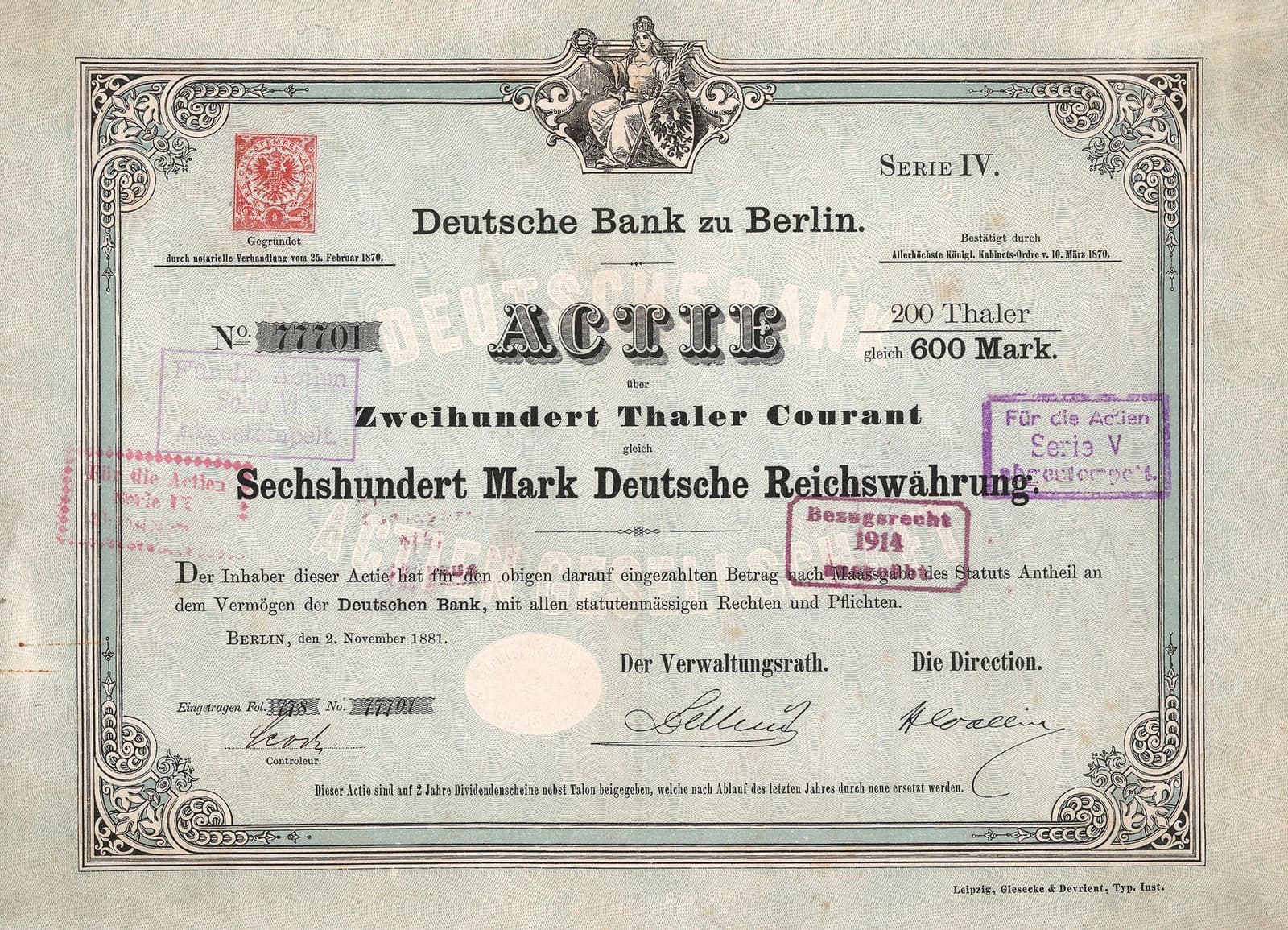
Deutsche Bank has cut its price target on Sandvik to 424 kronor from 443 while reiterating a buy rating, a modest change that nonetheless reflects a more cautious view of the Swedish engineering group’s near-term upside as investors reassess the industrial cycle.
Sandvik Target Cut to 424 Kronor by Deutsche Bank
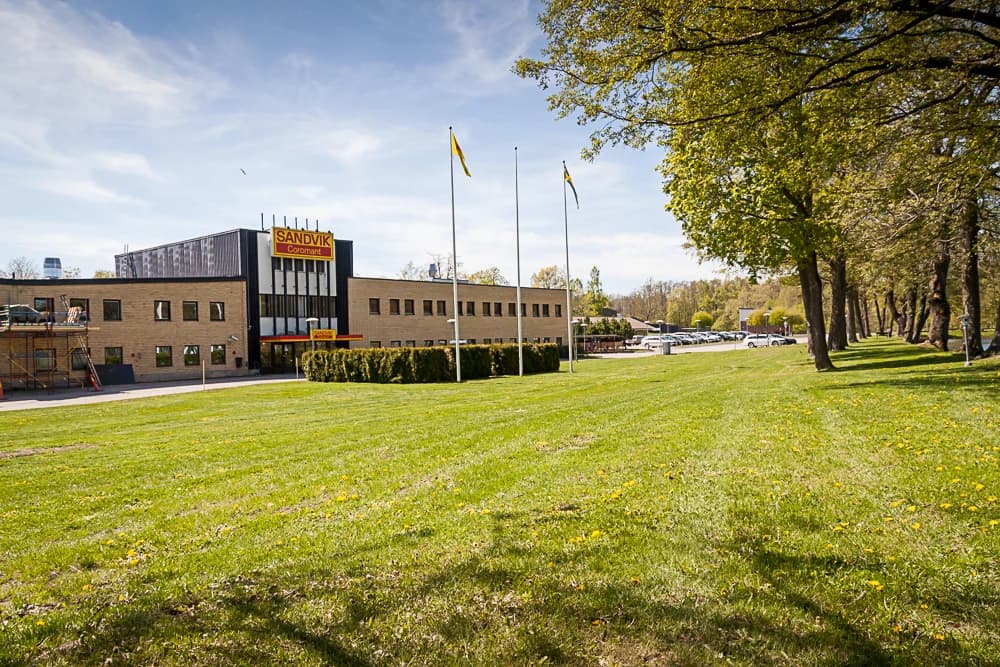
The revision matters because Sandvik sits at the intersection of mining capex, manufacturing demand and the broader European industrial slowdown. A lower target from a major broker does not alter the investment case outright, but it narrows the valuation runway at a time when markets are already pricing in more uneven demand across capital goods. For a stock like Sandvik, where earnings expectations are sensitive to orders, margins and customer spending intentions, even small cuts to fair value can influence positioning.
Sentiment Indicators
Sandvik’s shares have also been under pressure. The stock closed at 36.11 kronor on the latest available data, down sharply from 39.05 kronor on Sept. 17 and well below its 50-day moving average of 38.07 kronor, a sign of fading momentum. The relative strength index was 24.7, deep in technically oversold territory, while the MACD remained negative, indicating that recent weakness has extended beyond a short-term pullback.
That technical backdrop suggests the market has already started to discount some of the caution now embedded in Deutsche Bank’s target. For investors, the key question is whether the shares are being punished for a temporary de-rating or for a more durable slowdown in end markets. Bullish investors will argue that oversold conditions, combined with Sandvik’s exposure to mining and aftermarket revenue, offer support if commodity-linked spending holds up. Bears will point to the decline through the 50-day average, weaker trend readings and the possibility that industrial demand remains choppy longer than expected.
The Sandvik call also comes as broader European trade and industrial sentiment remains fragile. That is particularly relevant for equipment makers whose order books depend on customer confidence in Asia, Europe and the Americas. If end-market hesitation persists, price targets across the sector could continue to drift lower even without a formal downgrade in ratings.
For now, Deutsche Bank’s move looks less like a decisive negative call than a calibration of expectations. But in a market that has become more sensitive to growth scares and earnings resets, reduced upside can matter as much as outright rating changes. The stock’s next catalyst will likely be whether Sandvik can show enough order resilience and margin stability to justify a faster recovery from current levels.
| Entity | Gains | Losses |
|---|---|---|
| Deutsche Bank | ▲More conservative valuation | ▼Less upside on the call |
| Sandvik shareholders | ▲Buy rating remains in place | ▼Lower target caps near-term upside |
| Value buyers | ▲Oversold entry point | ▼Further de-rating risk |
| Competitors in capital goods | ▲Relative valuation support | ▼Sector-wide caution if demand weakens |