Santa Fe debtors rise as Argentina credit stress grows
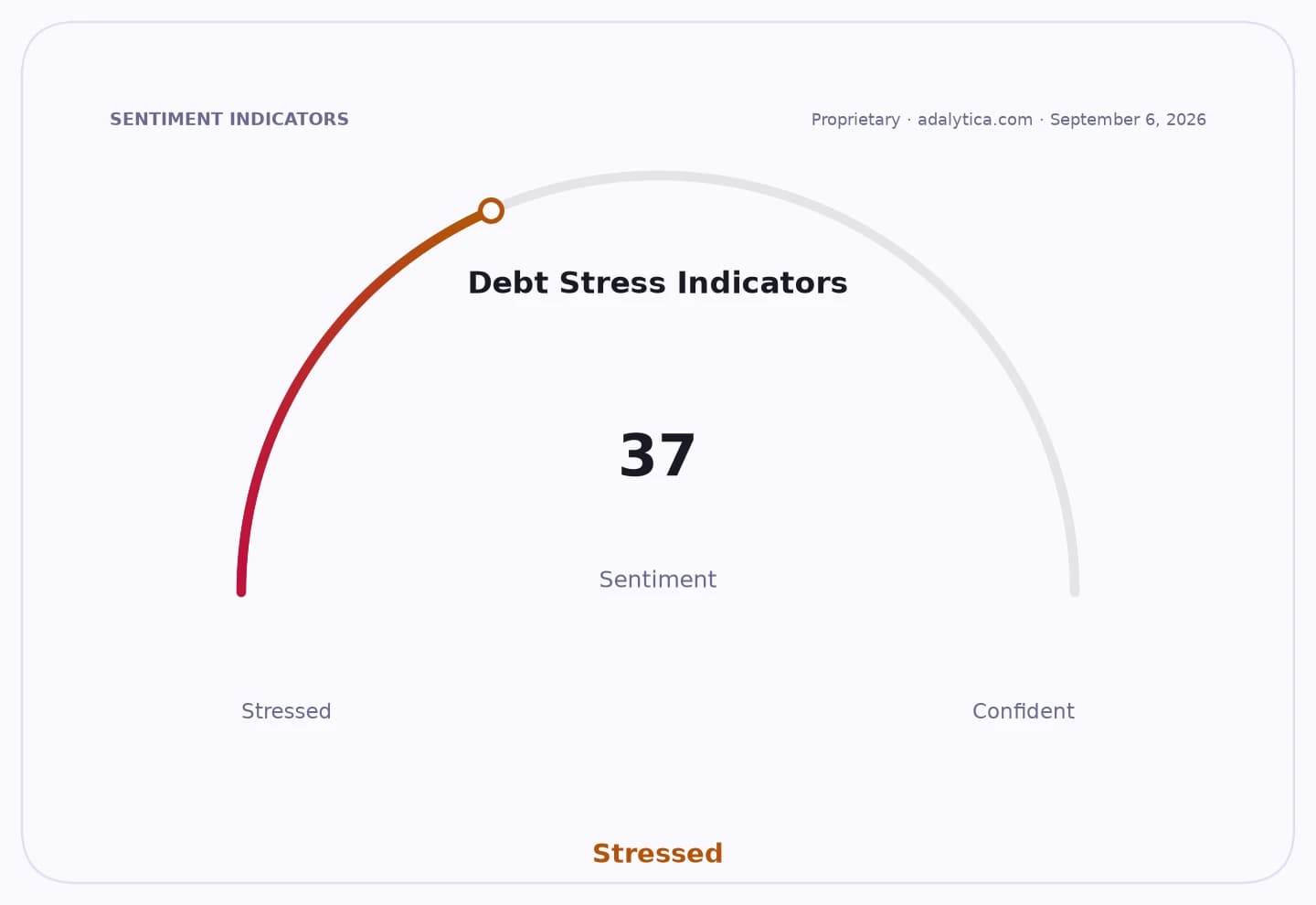
Santa Fe had 412,845 delinquent borrowers in July 2026, putting the province third in Argentina by sheer number of debtors and underscoring how a tightening credit cycle is biting households across the country.
The scale matters because defaults are no longer confined to the poorest provinces or the banking system alone. Santa Fe accounts for 7% of the nation’s 5.94 million registered debtors, but its 13% delinquency rate is below the national average of 15.7%, showing the province’s problem is less severe in relative terms than in absolute ones.
Most of the stress is concentrated among working-age adults. Roughly 70.6% of overdue borrowers are between 25 and 54, with the largest group in the 25-to-34 bracket, while 264,770 people are in the most severe, “unrecoverable” category. That mix points to a broad consumer squeeze rather than isolated distress, with consequences for spending, loan demand and repayment behavior.
The debt burden is already feeding back into the financial system. In Santa Fe, family delinquency in banks reached 9.6% in July, below the 13% national level, while mora in digital wallets climbed to 31.2%, highlighting how alternative lenders are absorbing more risky borrowers. Average overdue debt in the province stands at about 2.3 million pesos per family, below the national average of 2.6 million pesos, but still high enough to curb disposable income and strain refinancing efforts.
That is a direct concern for lenders. First Capital Group said credit-card use fell 10.1% in August from a year earlier, while personal loans declined 7.6% annually, as higher rates and tighter underwriting limits shut borrowers out. Argentina’s central bank has urged banks to refinance debts with longer maturities and lower rates, but the combination of high financing costs and rising irregularity is squeezing loan growth and provisioning outlooks.
For investors, the message is that household stress is becoming a credit-quality story, not just a social one. Banks with consumer exposure face weaker growth in cards and personal loans, higher loss provisions and more pressure to roll over troubled accounts, while fintech lenders and wallet operators face a larger population of already-stressed borrowers.
| Entity | Gains | Losses |
|---|---|---|
| Banks | ▲higher refinancing demand | ▼weaker loan growth, higher provisions |
| Digital wallets | ▲more borrower traffic | ▼higher delinquency, smaller balances |
| Overindebted households | ▲refinancing chance | ▼tighter credit, suspended cards |
| Bank investors | ▲potential policy support | ▼rising credit risk and margin pressure |