Santiago Fare Hike Signals Local Inflation Risk
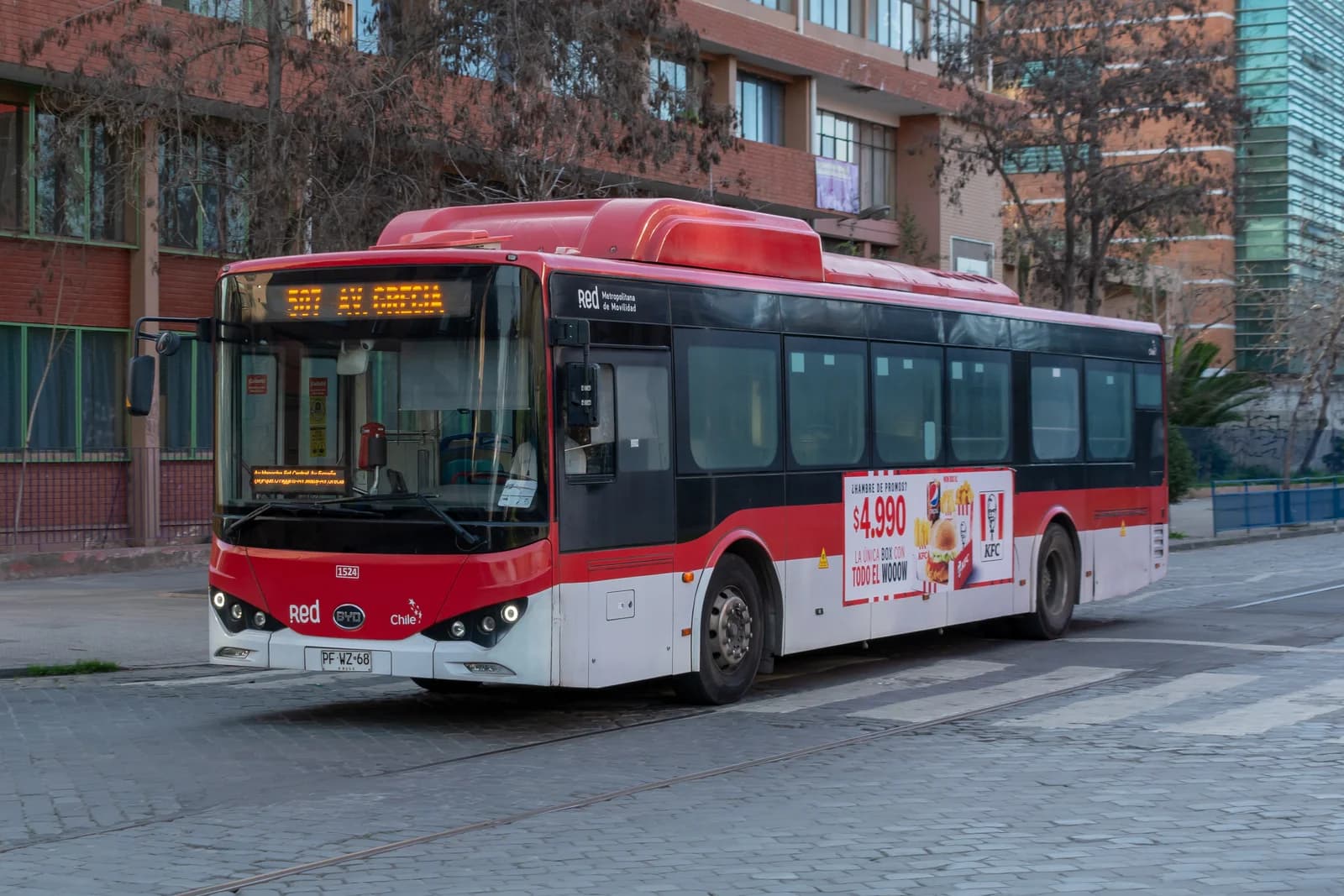
July 6, 2026 — Santiago transit fares rose by RD$5 on dozens of urban routes on Monday, a 14.3% increase that will immediately raise commuting costs and sharpen the debate over how much inflationary pressure transport operators can pass on to passengers.
The National Council of Urban Transporters, or CNTT, implemented the increase on 47 routes, lifting fares to RD$40 from RD$35. The move marks a significant cost shock for daily riders in the Dominican city and risks feeding into broader transport inflation, one of the most politically sensitive components of household spending.

The increase also exposed a split inside the sector. The Federation of Transporters of Santiago and the North, known as FETTRANRENO, said it would keep fares unchanged on its 32 routes, while some operators, including route H-17 and organizations such as Conatra, ruled out increases. Mario Díaz, a prominent transport-sector figure, publicly rejected the hike.
That division matters because fragmented fare-setting can create confusion for commuters and complicate any official effort to contain transport costs. For households, the increase is immediate: a RD$5 rise per trip compounds quickly for workers and students who rely on multiple daily rides. For policymakers, the dispute raises the risk that fare pressure becomes a broader affordability issue rather than a narrow operator-cost adjustment.

The economic case for higher fares is complicated by weaker global oil prices. U.S. crude futures traded around $68.60 a barrel on July 6, down sharply from above $106 in early May, while recent WTI spot data showed prices near $70 in late June. That decline should ease some fuel-related pressure, suggesting operators may also be responding to other costs such as maintenance, parts, wages, financing and route economics.
For investors, the fare dispute is a signal on local inflation persistence and policy risk. Transport costs can influence wage demands and consumer inflation expectations, particularly in urban economies where public transport is essential. If authorities intervene through subsidies, fare caps or negotiated adjustments, the fiscal and regulatory implications could affect companies tied to fuel distribution, vehicle imports, consumer spending and municipal services.
Market indicators also point to a weaker oil backdrop rather than an energy-price spike. Crude futures are trading below their 50-day and 200-day moving averages, conventional technical levels watched by market participants, while RSI readings remain depressed. That reinforces the view that Santiago’s fare increase is less a direct reaction to current oil prices than a symptom of deeper cost and revenue strains in the transport system.
Public reaction is likely to shape the next phase. Proprietary indicators from Adalytica.com show mildly negative sentiment around the Santiago transit fare debate, consistent with commuter resistance and operator disagreement. The immediate question is whether the CNTT increase becomes the new benchmark across more routes or whether resistance from FETTRANRENO, Conatra and others forces negotiations toward a more uniform policy.
Further fare decisions will determine whether Monday’s increase remains a limited route-level adjustment or becomes a broader inflationary pressure point for Santiago commuters and the Dominican transport sector.
| Entity | Gains | Losses |
|---|---|---|
| CNTT operators | ▲Higher fare revenue | ▼Passenger goodwill |
| Santiago commuters | ▲More route clarity where fares are fixed | ▼Higher daily costs |
| FETTRANRENO and Conatra | ▲Public support from holding fares | ▼Margin pressure |
| Policymakers | ▲Chance to broker a settlement | ▼Inflation and subsidy risk |