Sany Heavy Industry Africa sales reach 3.5 billion yuan
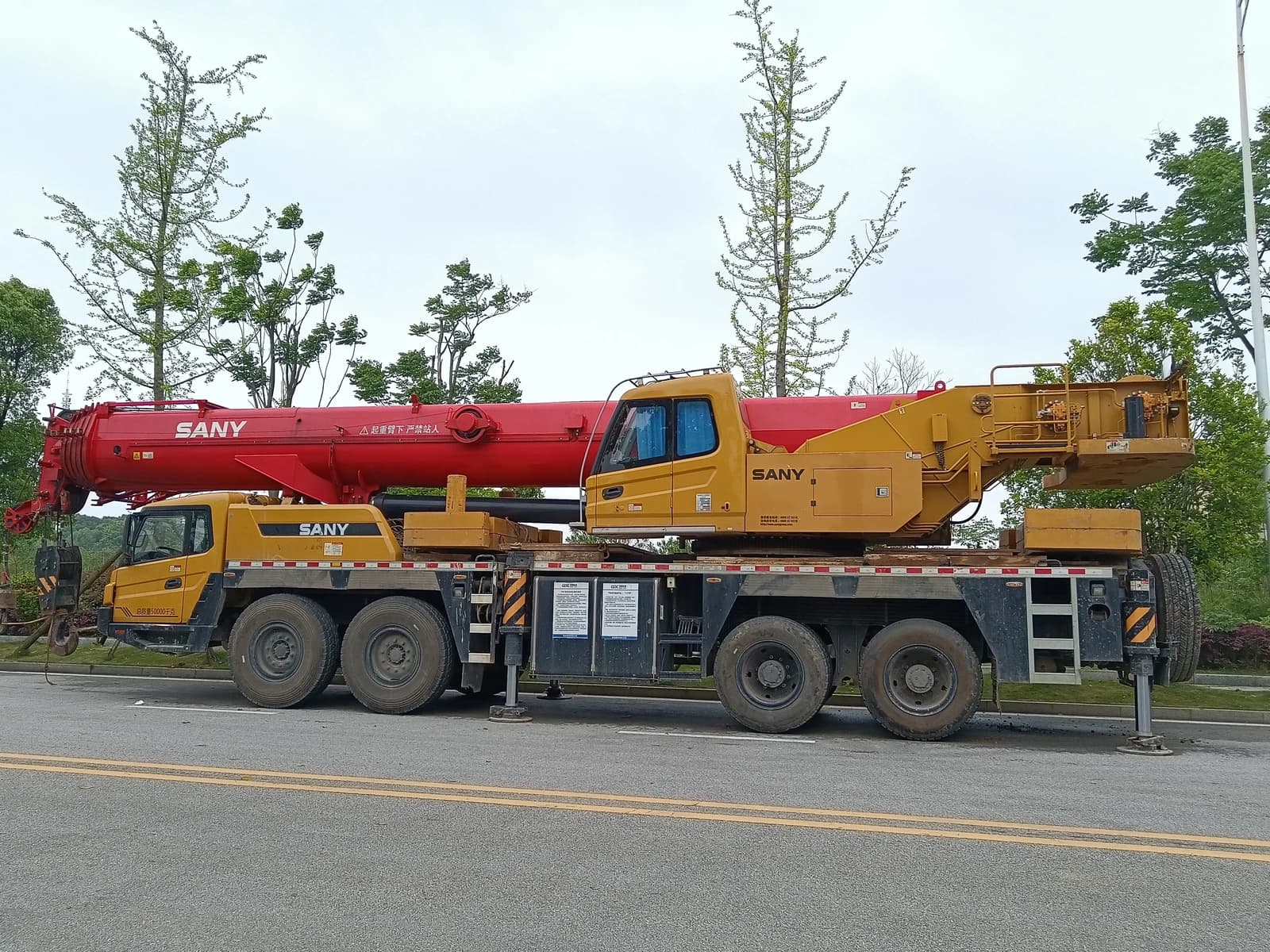
Africa’s industrialization story is beginning to show up in hard revenue for Chinese machinery makers, with Sany Heavy Industry saying African sales reached 3.5 billion yuan, or about $517 million, as Chinese companies deepen their role in roads, ports, mines and construction across the continent.
That matters because machinery sales are a proxy for real capital formation. When excavators, cranes and concrete equipment are moving, it usually means governments, contractors and miners are putting money into projects that lift productivity, expand logistics networks and support long-term growth. For Africa, the shift points to industrial activity that is less dependent on commodities alone and more tied to infrastructure and manufacturing capacity.
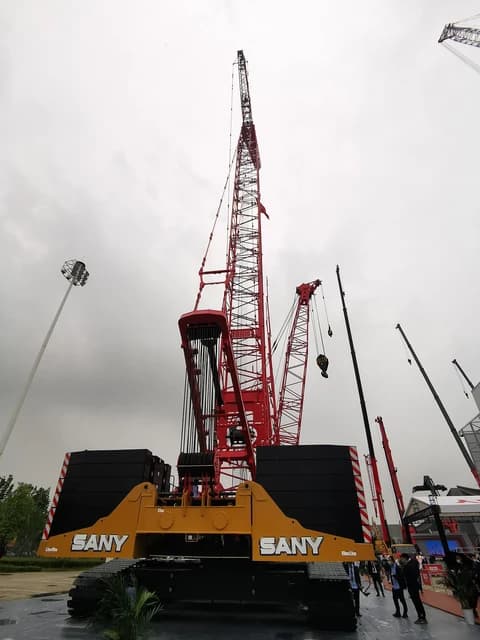
For Sany, the region is becoming an increasingly important growth market at a time when demand in China remains uneven and global manufacturers are looking for faster-growth geographies. The company’s African revenue underscores how Chinese industrial groups are pairing competitive pricing, financing and project execution with a footprint that can win contracts in markets where Western suppliers often face higher costs or slower delivery. It also highlights why Chinese exporters continue to see Africa as a strategic outlet for excess manufacturing capacity.
The implication for investors is twofold. On one hand, the data supports the case that Chinese industrial names with overseas exposure can tap a structurally underpenetrated market as Africa builds out transport, energy and urban infrastructure. On the other, it raises questions about margin sustainability, local competition and credit risk, especially if project pipelines depend on government budgets or Chinese financing rather than private demand. Investors will also watch whether sales momentum can be repeated across peers such as Caterpillar and Komatsu, or whether Sany’s gains reflect a temporary concentration of large projects.
The broader backdrop is a softer U.S. rate environment, with the 10-year Treasury yield around 4.67%, which helps ease global financial conditions but does not change the central investment case: Africa needs equipment, and Chinese manufacturers are positioned to supply it. For Sany, the question now is whether Africa becomes a durable earnings engine or remains a cyclical opportunity tied to the next wave of infrastructure spending.
| Entity | Gains | Losses |
|---|---|---|
| Sany Heavy Industry | ▲Higher overseas sales | ▼Dependence on project cycles |
| African governments/builders | ▲More equipment supply | ▼Larger import bill |
| Chinese exporters | ▲Market share gains | ▼Pricing pressure |
| Western rivals | ▲Slower penetration | ▼Lost contracts |