Saratov strike hits Rosneft refinery and Ozon hub
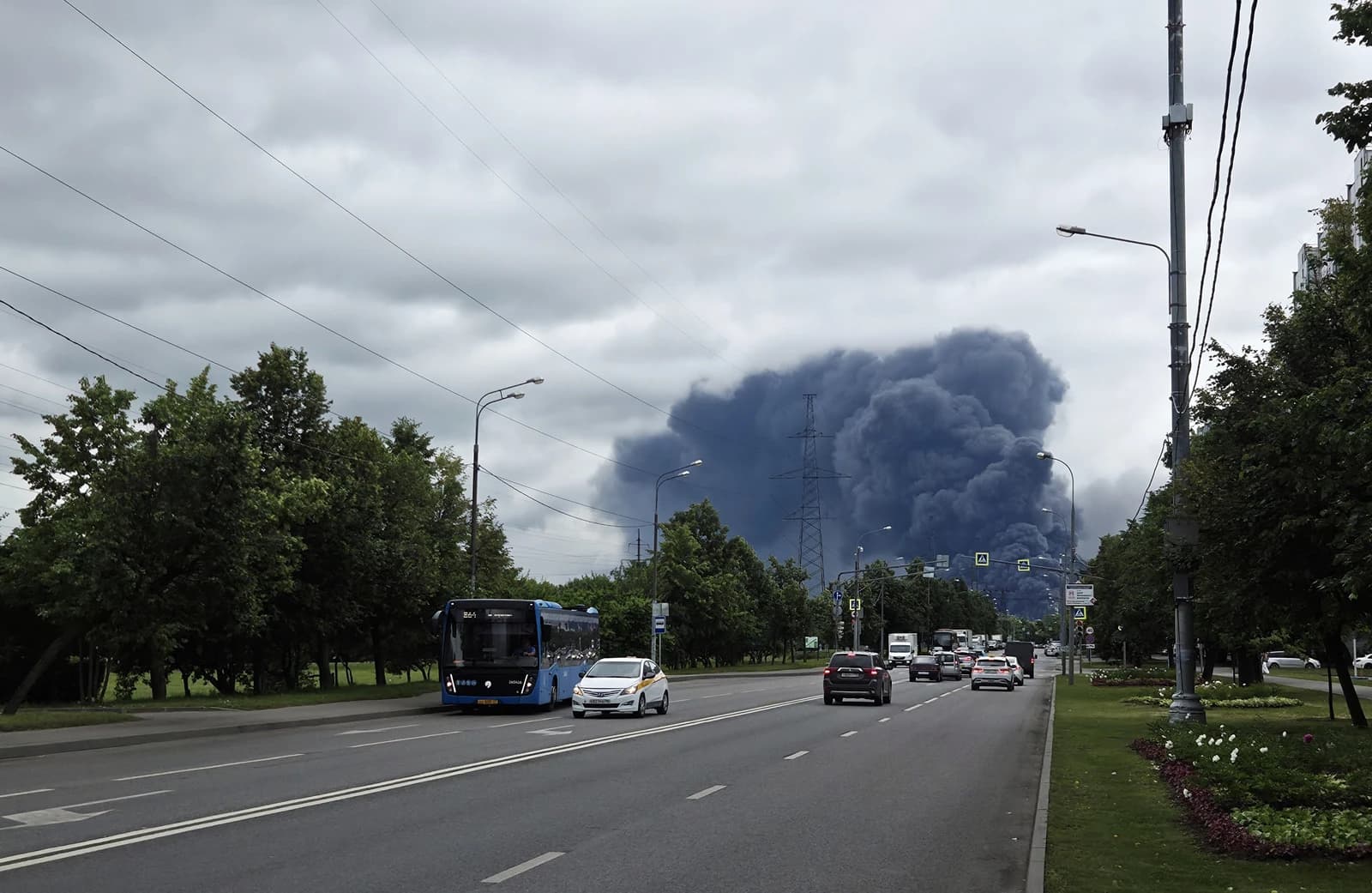
Ukraine’s latest long-range drone strike set fire to a Rosneft refinery and an Ozon logistics warehouse in Saratov, underscoring how Kyiv’s campaign is increasingly targeting Russia’s fuel system and civilian supply chains hundreds of kilometres behind the front line.
The immediate economic significance is Russia’s vulnerability in the downstream energy sector. The Saratov refinery, which processes about 4.8 million tonnes of crude a year, is part of the network that turns oil into gasoline, diesel and other products needed both by consumers and the military. Repeated attacks on these facilities can disrupt fuel availability, force costly repairs and curtail product exports, all of which can squeeze state revenues at a time when Moscow is already spending heavily on the war.
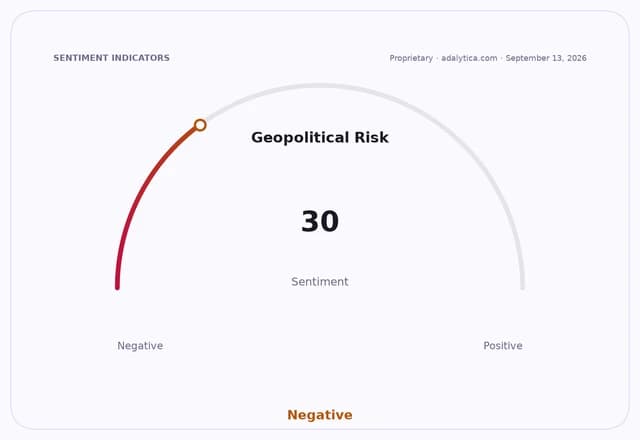
For investors, the broader message is that Russian energy infrastructure remains a live operational risk even deep inside the country. Each successful strike raises the odds of tighter domestic fuel balances, higher maintenance and security costs for producers, and more volatility in regional product flows. The attack also matters for Ozon, Russia’s second-largest online retailer after Wildberries, because damage to a logistics hub can delay deliveries and add to the execution risks facing domestic consumer businesses operating in a wartime economy.
Saratov sits about 460 kilometres from the Ukrainian border, which makes the strike part of a wider pattern of drone attacks aimed at extending pressure far beyond the battlefield. Ukrainian forces have repeatedly targeted Russian refineries in what has become a central tactic of the war: reduce Moscow’s ability to refine, move and sell fuel while forcing the Kremlin to divert resources to defend critical infrastructure. In market terms, that has kept a floor under geopolitical risk premiums in energy even when broader crude benchmarks have moved on macro demand and supply signals.
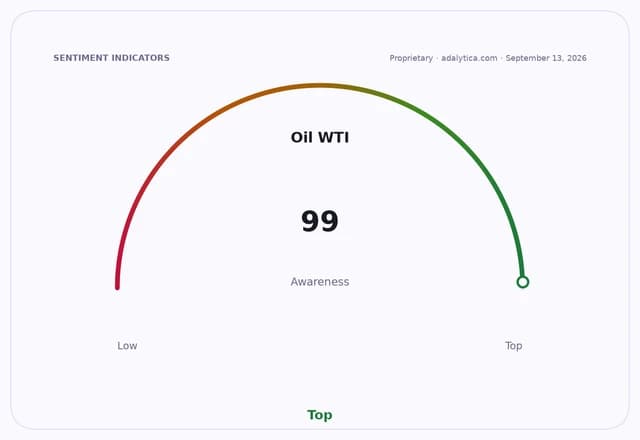
The Reuters-style readthrough for equity and commodity markets is mixed. Higher attack frequency can support refined-product margins for non-Russian refiners if supply tightens, while keeping crude oil traders alert to escalation risk. The bear case for Russian producers is that persistent attacks gradually erode utilization, logistics and export flexibility. The bullish case for Moscow is that any damage is likely to be repaired, while Russia has shown resilience in rerouting flows and maintaining exports. For now, the key investor takeaway is that the war continues to threaten one of Russia’s most important economic assets: the ability to turn crude into usable fuel.
| Entity | Gains | Losses |
|---|---|---|
| Ukraine | ▲Pressure on Russian war funding | ▼None in immediate tactical terms |
| Rosneft | ▲None | ▼Refinery disruption; repair costs |
| Ozon | ▲None | ▼Logistics outage; delivery delays |
| Global refiners | ▲Wider margin support | ▼Higher geopolitical risk |