Saudi Arabia refinery strike raises oil risk premium
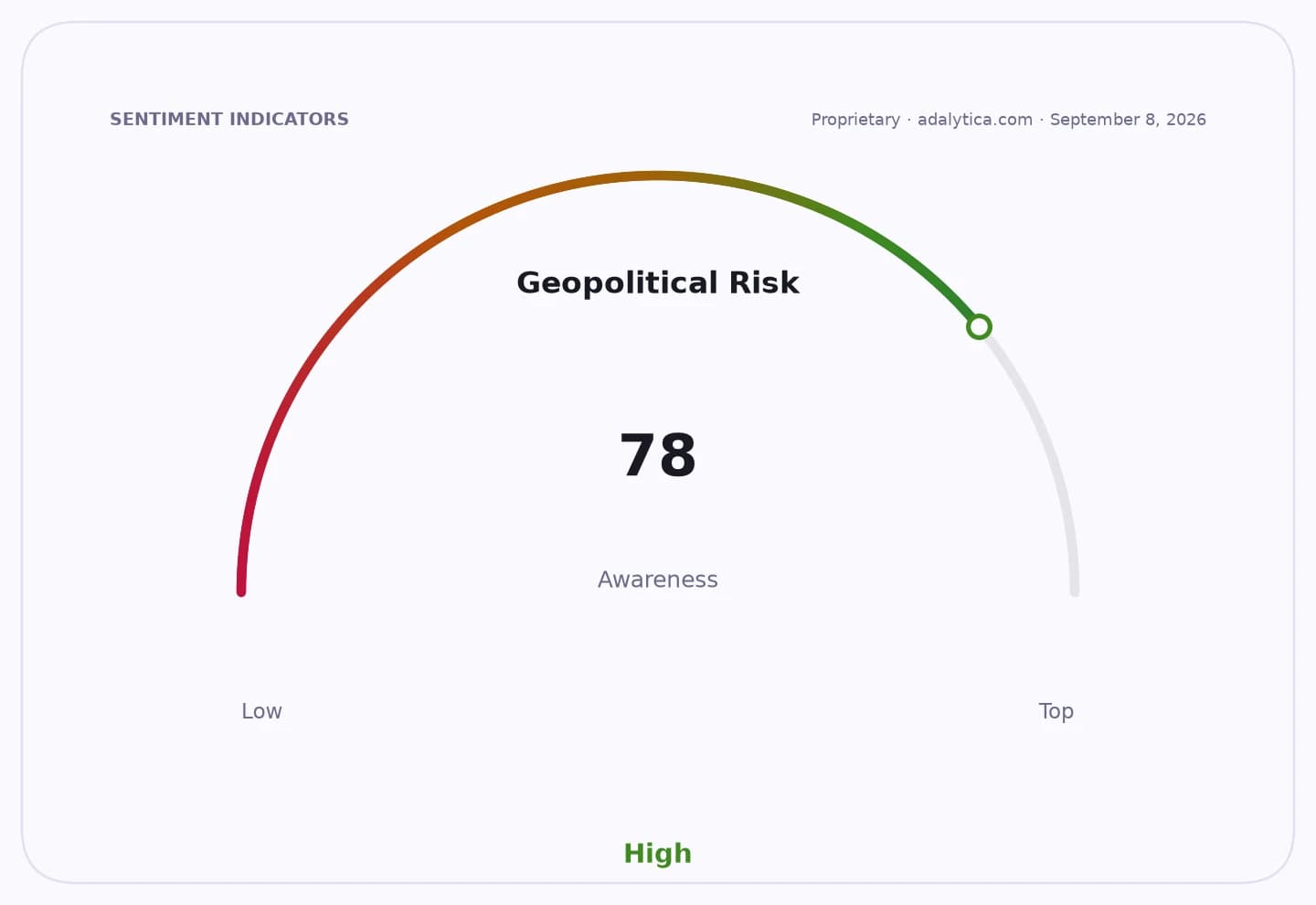
Saudi Arabia said 73 civilians were injured after Houthi missile and drone strikes hit an Aramco refinery and other civilian and economic sites, sharpening fears that the Yemen conflict is again spilling into the energy market and shipping lanes.
The attack matters economically because it raises the risk premium on Gulf oil supplies at a time when traders are already sensitive to any disruption in the Middle East. Oil prices and energy-linked assets were already firm, and the latest strike adds a fresh tail risk for crude flows through the region, including routes tied to the Red Sea and wider Strait of Hormuz corridor.
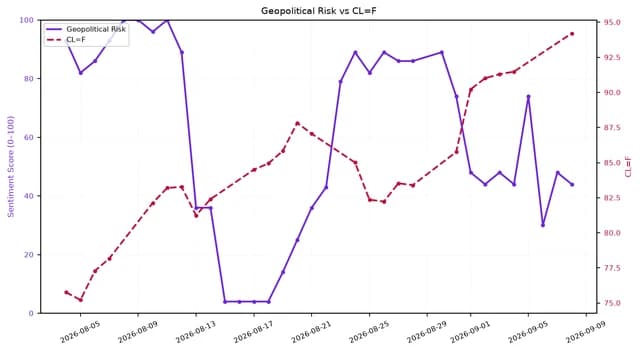
The reported target list included Aramco’s Jizan refinery, the Abha fuel distribution station, Abha International Airport and the King Khalid air base in Khamis Mushait, underscoring that this was not a single isolated hit but a broader campaign against infrastructure with both civilian and strategic value. Riyadh said women and children were among the injured and condemned attacks on commercial vessels in the Red Sea, framing the strikes as a threat not only to Saudi territory but to international maritime security.
For investors, the immediate read-through is higher volatility in crude and defensives in the energy complex. WTI was already trading near the mid-$90s, with technical indicators such as the 50-day moving average and RSI pointing to a market that has regained momentum and can react sharply to geopolitical shocks. The backdrop has also helped energy equities, including the USO oil fund and the XLE energy sector ETF, which have been trading stronger, while the broader risk tone remains sensitive to any escalation that could hit transport, refining margins or insurance costs.
The bull case for energy bulls is straightforward: repeated attacks on Saudi infrastructure and Red Sea shipping can tighten supply expectations even without a sustained outage. The bear case is that such spikes often fade if damage proves limited or if the market concludes Saudi export capacity is intact. But the strategic message is harder to dismiss: the conflict is now directly pricing in a higher chance of disruption to one of the world’s most important oil-producing regions.
Riyadh’s pledge to take “necessary measures” suggests the risk of retaliation, which would keep geopolitical premium embedded in oil and defense assets. For investors, the next catalysts are any confirmation of damage at Jizan, Saudi response measures, and whether shipping and insurance markets begin to price a wider and more persistent disruption.
| Entity | Gains | Losses |
|---|---|---|
| Saudi energy assets | ▲higher security premium | ▼physical damage risk |
| Oil producers | ▲firmer crude prices | ▼escalation uncertainty |
| Houthi militants | ▲leverage and visibility | ▼retaliation risk |
| Global consumers/importers | ▲none | ▼higher fuel costs |