Saudi Arabia Uses Sohar STS for Crude Exports
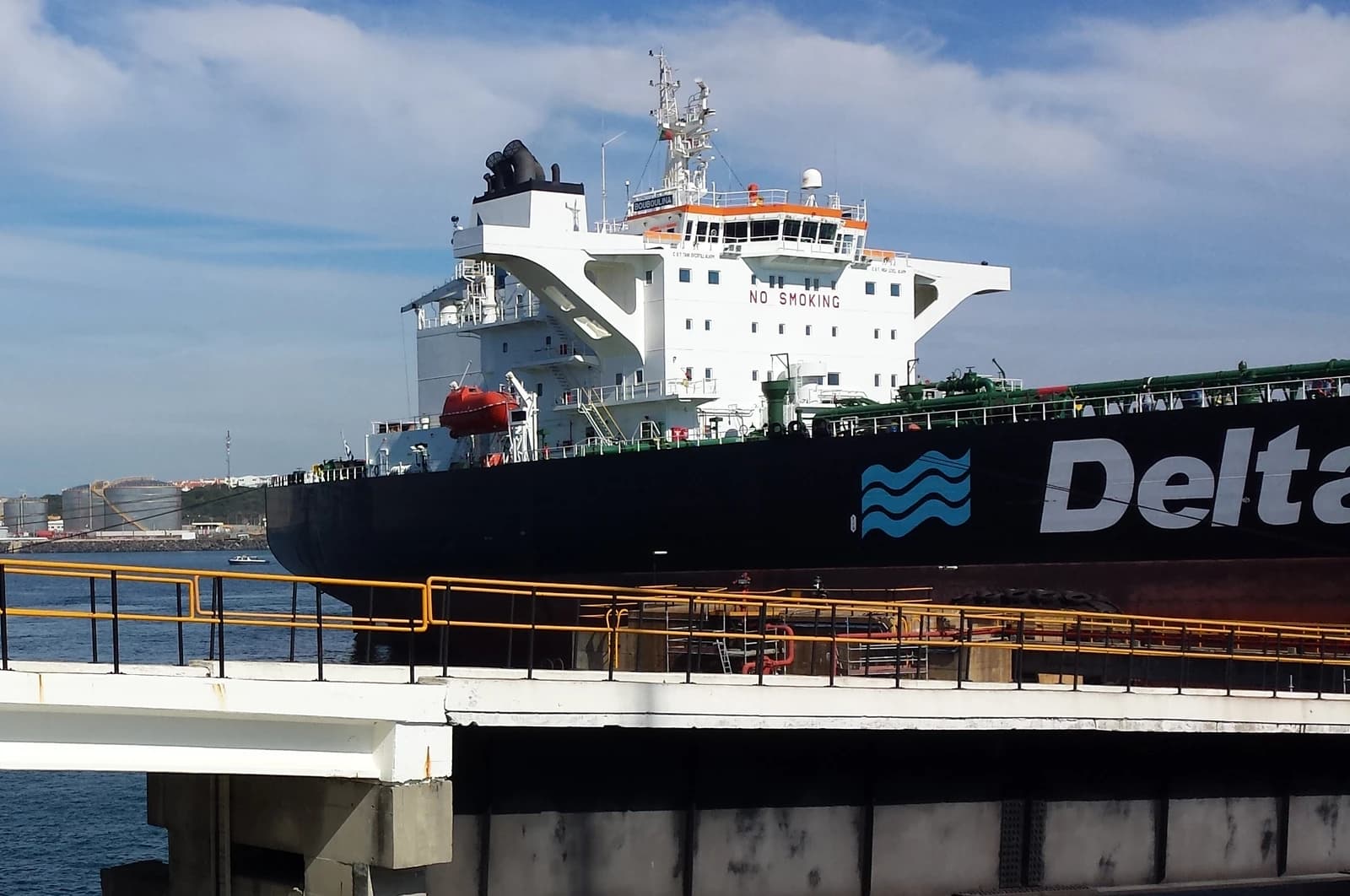
Saudi Arabia is increasingly moving crude through ship-to-ship transfers off Oman’s Sohar port as insecurity in and around the Strait of Hormuz forces Gulf exporters to find a workaround for one of the world’s most important oil chokepoints.
The shift matters because it is not just a logistics tweak: it is a sign that Middle East oil flows are being rerouted around active conflict risk, lifting transport and insurance costs while leaving exporters more exposed to disruption. For markets, that means supply can still move, but less efficiently and with a higher chance of delay, accident or price shock.

Sohar, just outside Hormuz, is emerging alongside Fujairah in the UAE as a staging point where crude is shifted from one tanker to another before continuing to Asia. Saudi Arabia had already been leaning on its 1,200-km East-West pipeline to reach the Red Sea, but damage from drone attacks has reduced that option and pushed Riyadh back toward Gulf exports that now depend on safer offshore handoffs.
That is a costly compromise. Analysts cited in the context say the amount moved this way depends on tanker availability, freight rates and war-risk premiums, and remains well below pre-war levels. Even so, the workaround is crucial for Saudi Arabia, Kuwait and Qatar, whose national oil companies still need to keep barrels moving to buyers including China, India, South Korea and Japan.
The broader market signal is that the world’s physical crude system is becoming more fragmented. TankerTrackers said ship-to-ship transfers reached 7.15 million barrels a day over the past 14 days, up 56% from the prior month, underscoring how quickly operators are adapting as commercial ships avoid Hormuz.
That kind of rerouting can support freight rates and insurance costs even if it keeps outright supply losses contained. It also raises the stakes for tanker owners, insurers and traders because STS transfers are harder to police, often involve older ships and can require turning off automated tracking systems to reduce exposure.
Oil prices and energy ETFs have already reflected the tension. USO, a proxy for U.S. crude exposure, has risen sharply over recent months, while the conventional technical indicators in the price data show the fund still trading well above its 50-day and 200-day moving averages, even after a pullback. XLE has also rallied, though both oil benchmarks and sector ETFs have started to cool from recent peaks.
The key question now is whether the unofficial Oman-UAE transfer network can keep Gulf crude flowing without a major incident. Any attack on a tanker, mine strike or wider escalation around Hormuz would quickly turn a workaround into a fresh supply shock, with investors watching Brent, tanker rates and war-risk insurance for the next move.
| Entity | Gains | Losses |
|---|---|---|
| Saudi Arabia | ▲Keeps crude exports moving | ▼Pays higher freight and insurance |
| Oman’s Sohar/Fujairah hubs | ▲More transfer traffic | ▼Greater security exposure |
| Oil buyers in Asia | ▲More supply continuity | ▼Higher delivered costs |
| Tanker owners and insurers | ▲More demand for shipping cover | ▼More accident and war-risk liability |