Saudi Aramco shifts crude away from Strait of Hormuz
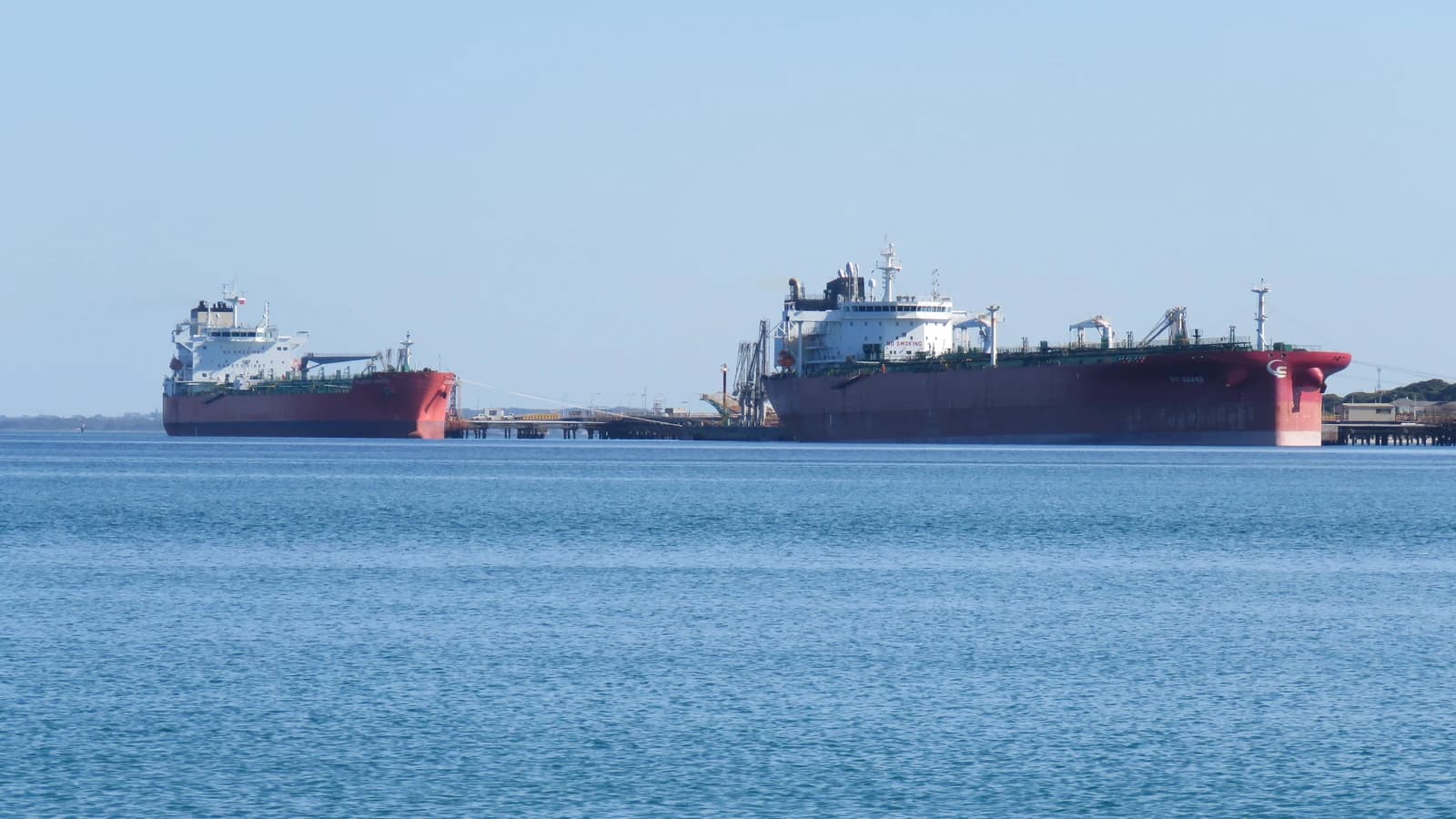
Saudi Aramco is moving more crude away from the Strait of Hormuz and sending some cargoes to China, underscoring how Middle East shipping risk is reshaping oil flows just as traders weigh a modest pullback in prices and heightened concern over Gulf supply security.
The shift matters because Hormuz is the most important choke point in global oil trade, carrying roughly a fifth of the world’s seaborne crude and refined products. Any sustained effort by the kingdom’s biggest exporter to route barrels elsewhere is a signal that producers, shippers and buyers are pricing in more than a temporary headline risk. It also shows China, the largest buyer of Saudi crude, remains willing to absorb flexible supply even as geopolitical uncertainty rises.
Oil futures eased about 2% in the latest session as reports of renewed talks involving Iran and Oman raised hopes that shipping disruption could be contained. But the market is still trading with a heavy geopolitical premium: Brent near $82 and WTI around $84. That is well above levels seen earlier this year and leaves refiners and importers exposed if vessel traffic through Hormuz tightens again or if insurers demand higher premiums for Gulf voyages.
The backdrop has made logistics as important as crude fundamentals. Damage to tanker engines near the Omani route and a sharp drop in vessel traffic over the weekend reinforced how quickly maritime risk can translate into tighter supply. Iran’s warnings of fines or seizure for ships violating transit rules have only deepened the case for route diversification, even if the current market reaction remains restrained.
For Aramco, the immediate benefit is operational resilience. Diversifying outbound cargoes reduces the chance that a single security event disrupts exports or delays deliveries to key Asian buyers. For China, the development may bring incremental supply security at a time when broader energy markets are already adjusting to shifts in Russian, Libyan and Venezuelan trade flows.
The bullish case for oil is that any disruption in Hormuz would be costly to replace, especially with spare capacity concentrated in the Gulf. The bearish case is that diplomacy and rerouting blunt the impact, keeping a lid on prices unless incidents escalate. For investors, that means the oil complex is likely to remain highly sensitive to shipping headlines rather than purely to demand trends.
Saudi Aramco’s cargo routing is therefore more than a commercial adjustment. It is a reminder that in today’s market, transport risk is becoming a pricing variable in its own right, with implications for producers’ margins, Asian import costs and the next move in crude-linked equities and funds.
| Entity | Gains | Losses |
|---|---|---|
| Saudi Aramco | ▲Export security | ▼Transit concentration risk |
| China refiners | ▲More flexible supply | ▼Potential freight premium |
| Oil bulls | ▲Geopolitical risk bid | ▼Lower spot prices |
| Import-dependent refiners | ▲Diversified sourcing | ▼Higher logistics costs |