Saudi Aramco Jazan Facilities Hit in Fresh Strikes
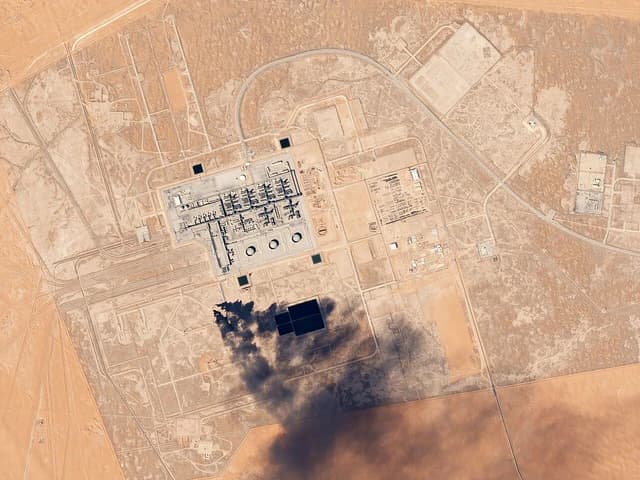
Saudi Aramco’s oil facilities at Jazan were hit in fresh strikes, underscoring how the Yemen border front remains a live risk to global crude supply at a moment when oil prices are already trading near the top of this year’s range.
The immediate economic importance is less about any single installation than about what repeated attacks on Saudi energy infrastructure do to the market’s risk premium. Jazan has been targeted before by Houthi rebels, and each strike reinforces the view that spare capacity in the world’s most important exporting region is vulnerable to disruption, even if actual production losses are contained.
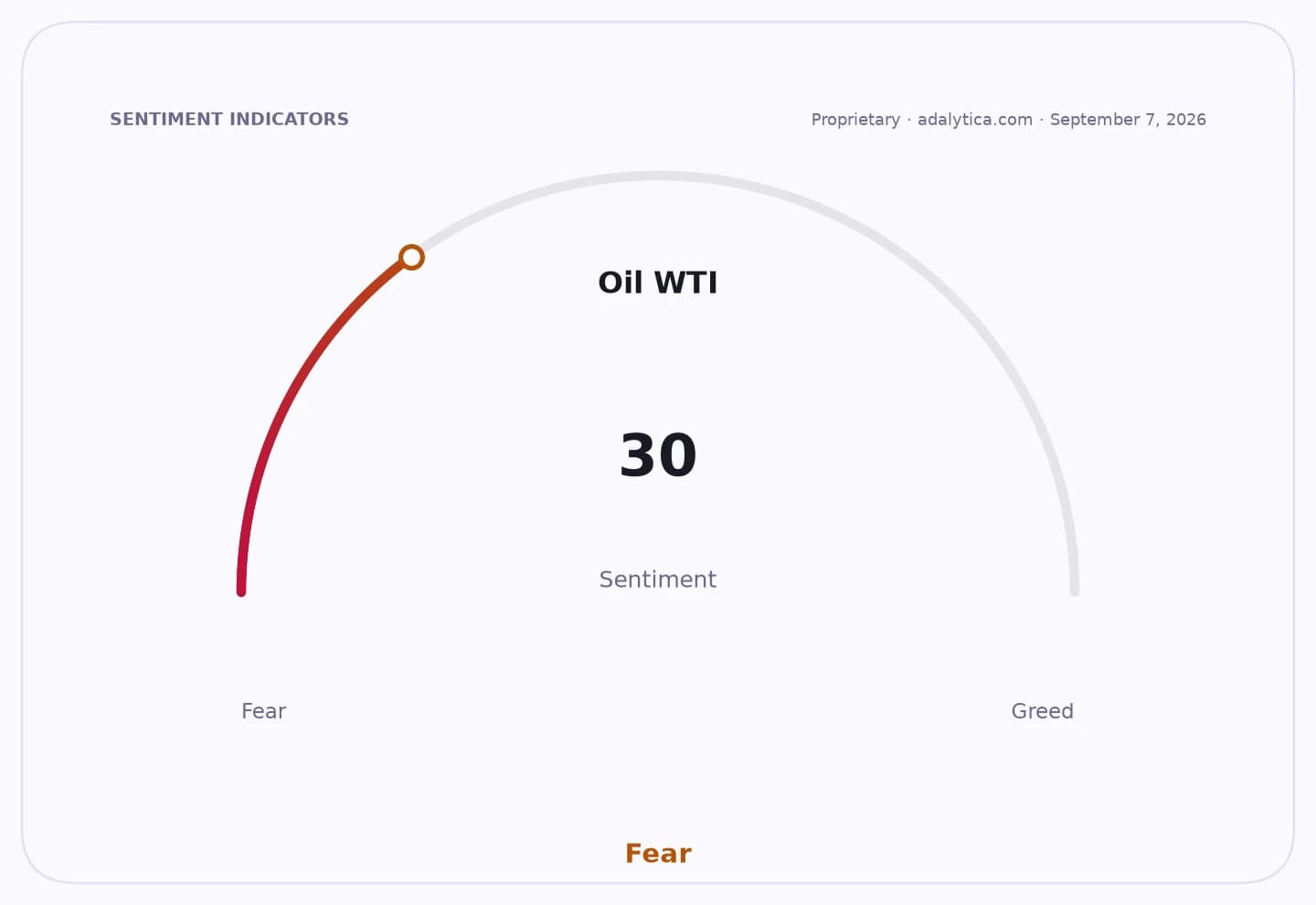
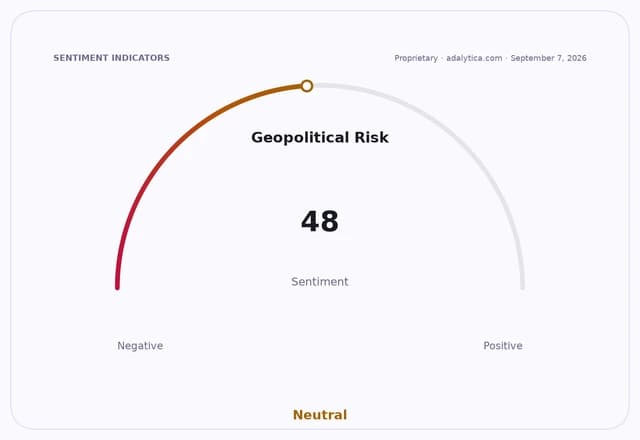
Brent and U.S. crude have been bid up by a broader set of supply fears, including tensions involving Iran, strikes on Russian energy infrastructure and labor disruption at European oil terminals. That backdrop leaves traders far more sensitive to headlines out of the Gulf. In the data, WTI-related trade signals remain elevated even as proprietary sentiment on oil shows fear rather than euphoria, suggesting the market is pricing geopolitical risk rather than a clean demand-led breakout.
For Saudi Arabia, repeated attacks on facilities near Jazan also carry a strategic cost beyond barrels. They raise insurance, security and contingency expenses, while forcing Aramco and the kingdom to spend more to protect infrastructure that underpins fiscal revenue and the broader diversification agenda. For the global economy, the bigger issue is that higher crude prices can feed inflation expectations, complicating central banks’ path just as policymakers have been trying to keep rate cuts on track.
Investors are likely to treat the strikes as another reason to stay long energy and cautious on fuel-sensitive sectors such as airlines, chemicals and transport. In contrast, integrated producers, oilfield services companies and energy-heavy benchmarks have tended to benefit when geopolitical risk lifts prices and supports upstream cash flow. The reaction in sector funds has reflected that split, with energy shares outperforming the broader market as crude has firmed.
The key question now is whether the latest strike is an isolated escalation or part of a wider campaign that can eventually force a more durable supply response from Saudi Arabia and its allies. If attacks remain sporadic, the market may keep pricing a premium without a lasting loss of barrels. If the pattern intensifies, crude could stay supported and energy equities may continue to outperform while the rest of the market absorbs the inflationary fallout.
| Entity | Gains | Losses |
|---|---|---|
| Oil producers | ▲Higher realized prices | ▼Greater security costs |
| Saudi Aramco | ▲Strategic price support | ▼Facility vulnerability |
| Energy equities | ▲Earnings leverage | ▼Volatility risk |
| Fuel consumers | ▲— | ▼Higher input costs |