Saudi Aramco Jizan refinery offline until Aug. 30
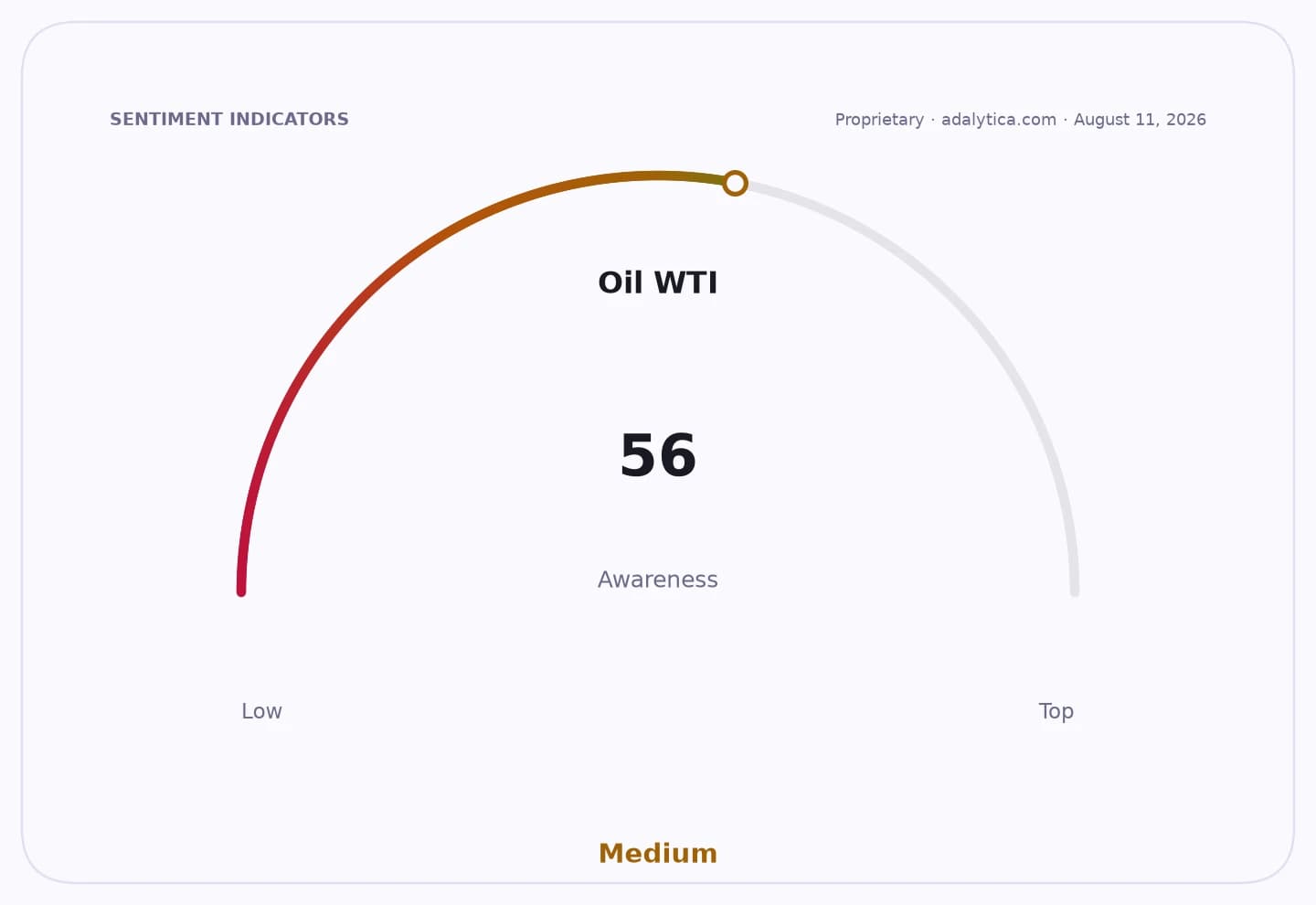
Saudi Aramco’s Jizan refinery will not be back online until Aug. 30, extending a disruption that is helping keep crude prices elevated and reinforcing how fragile global energy supply remains when Middle East infrastructure is hit.
That matters because the outage is not just a local operational problem. It feeds directly into the market’s risk premium at a time when oil has already been trading with sharp swings, Treasury yields are near 4.65% to 4.69%, and investors are pricing a much tighter relationship between geopolitics and inflation. U.S. crude futures have repeatedly moved through the high-$70s and low-$80s, while the USO oil fund is still well above its 50-day moving average, showing that traders have not priced out the possibility of further supply shocks.
The Jizan delay also underscores the economic leverage held by a handful of critical facilities across the Gulf. When a refinery goes down after an attack, the impact is not confined to one asset owner. It can ripple through regional product markets, tighten diesel and gasoline balances, and support margins for competitors with available capacity. That is why the damage at Jizan matters to the broader energy complex even if the physical outage itself sounds narrow.
Investors should read this as a stock and sector signal, not just a headline about repairs. Integrated producers and refiners with spare capacity can benefit from higher realized margins and stronger product pricing, while airlines, transport companies and fuel-intensive industries face a more expensive input backdrop. Chevron’s filing already pointed to supply disruption from the Middle East conflict, and Exxon has flagged sharply above-average global refining margins. That tells you the market is already seeing the second-order effects: tighter supply, better downstream economics, and more pressure on consumers.
The bigger narrative is that Middle East energy infrastructure remains a live geopolitical risk premium, not a faded 2024 story. Adalytica’s trade signals on crude show “Greed,” while its global stability gauge is flashing “Extreme Greed” for geopolitical risk, a combination that usually appears when markets are assuming resilience even as the underlying situation stays unstable. That is the setup investors should watch: if the outage at Jizan lasts longer than expected or if retaliation widens, crude could catch another bid and energy equities could get a fresh tailwind.
Our thesis is simple: the market underestimates how persistent these supply interruptions can be, and that makes the energy complex one of the few places where geopolitics still translates into immediate cash-flow upside. I would stay constructive on large-cap oil producers, refiners and energy infrastructure names while the Jizan outage keeps the risk premium alive, because the next move in crude may still be dictated by disruption rather than demand.
| Entity | Gains | Losses |
|---|---|---|
| Oil producers | ▲Higher crude prices | ▼Political noise |
| Refiners with spare capacity | ▲Wider margins | ▼Lost supply at Jizan |
| Fuel consumers | ▲None | ▼Higher gasoline and diesel costs |
| Airlines and transport firms | ▲None | ▼Higher jet fuel and freight costs |