Saudi Aramco First-Half Profit Rises as Oil Prices Stay High
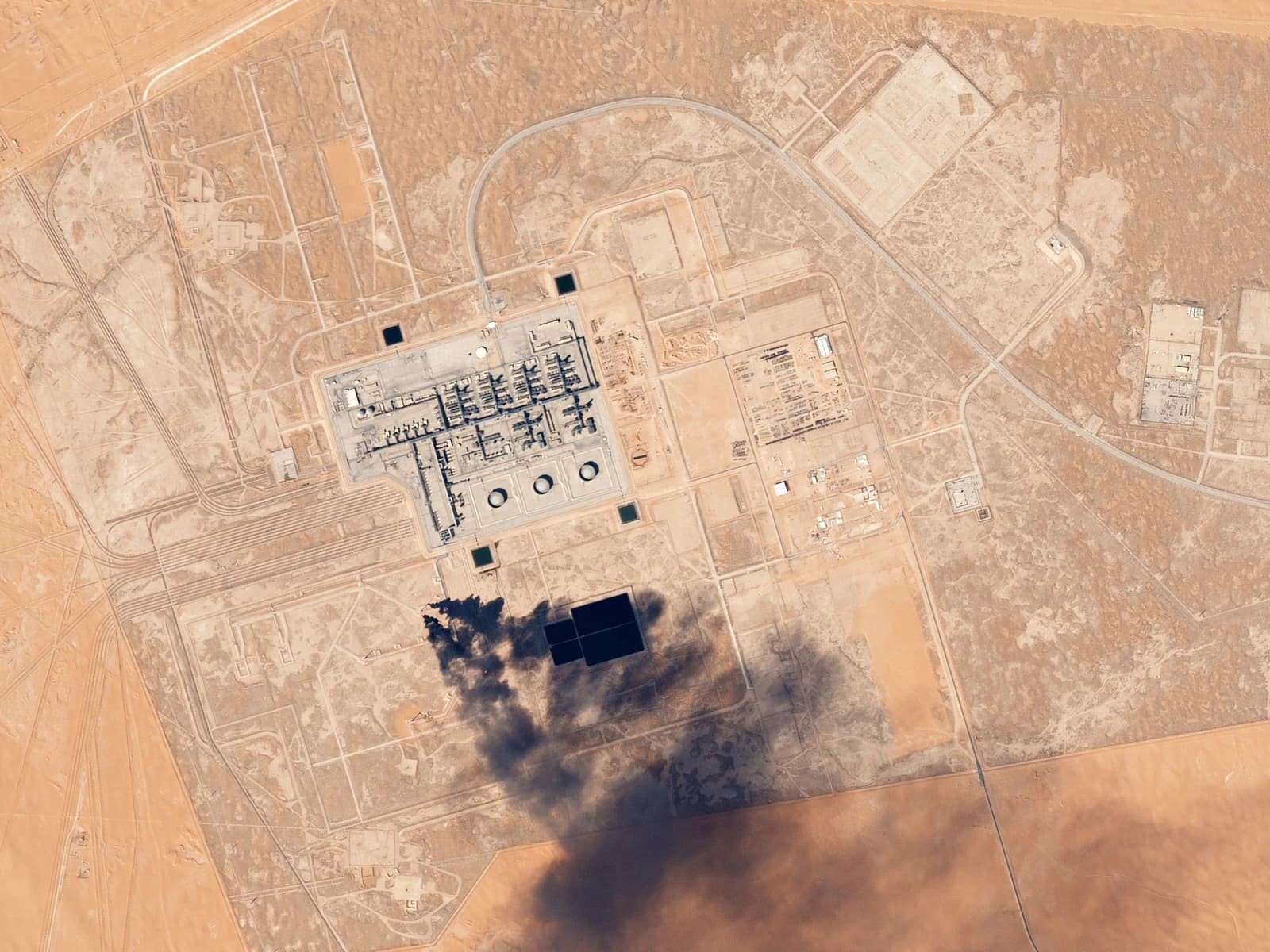
Saudi Aramco’s first-half profit and revenue rose as higher crude prices and a tighter geopolitical backdrop offset softer export volumes, underscoring how quickly the world’s most important oil producer can translate market dislocation into cash flow.
The result matters beyond one company because Aramco sits at the center of Saudi Arabia’s fiscal strategy and the global oil balance. When crude prices firm, the kingdom’s finances improve, dividend capacity is supported and the broader energy complex tends to outperform. When prices weaken or exports are disrupted, the same leverage works in reverse.
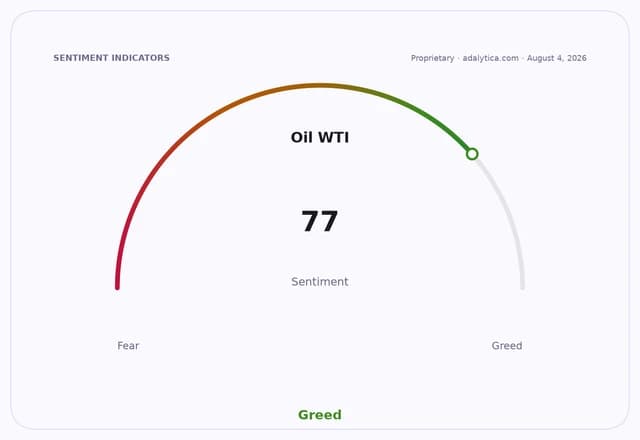
US crude has been volatile but still elevated by historical standards, with WTI recently around $88.70 a barrel in the latest forecast after trading above $120 earlier in the year and then slipping back toward the mid-$80s. The move reflects a market still sensitive to supply interruptions in the Persian Gulf and Red Sea, where shipping risks have kept a floor under prices even as OPEC+ continues to add supply gradually. Saudi Arabia and its partners have said they will proceed with a modest 188,000 barrels a day increase from September, a sign that producers see enough underlying demand to avoid a sharper unwind.
For Aramco, that mix is supportive. Higher realized prices typically feed straight through to earnings, while the company’s scale and low lifting costs give it operating leverage most competitors cannot match. That is why investors read Aramco results as more than a company update: they are also a barometer of sovereign revenue, regional stability and the durability of OPEC+ discipline.
The stock has already reflected that improvement. Saudi Aramco shares have climbed from 26.48 riyals on July 30 to 26.58 riyals on Aug. 2, staying above both the 50-day and 200-day moving averages, while the RSI has recovered to a neutral 51.9 after easing from overbought levels earlier in the year. The technical backdrop suggests a market waiting for confirmation that higher profits can be sustained rather than a one-off benefit from geopolitical premium.
The bull case is straightforward: if Gulf tensions keep crude above production costs and OPEC+ remains restrained, Aramco’s cash generation should stay robust even with some export disruption. The bear case is that price support proves temporary, export constraints deepen, and supply additions into a slower growth backdrop cap further upside for earnings and the share price.
For investors, the next watchpoint is whether the company uses stronger first-half profitability to defend payouts and capital spending, or whether an eventual easing in oil prices starts to bite into second-half results.
| Entity | Gains | Losses |
|---|---|---|
| Saudi Aramco | ▲Higher earnings, stronger cash flow | ▼Export-volume pressure |
| Saudi government | ▲Bigger fiscal receipts | ▼More reliance on oil prices |
| Oil producers | ▲Better pricing environment | ▼Consumers and refiners |
| Oil consumers | ▲— | ▼Higher fuel and input costs |