Saudi Aramco Discusses Routes Outside Hormuz
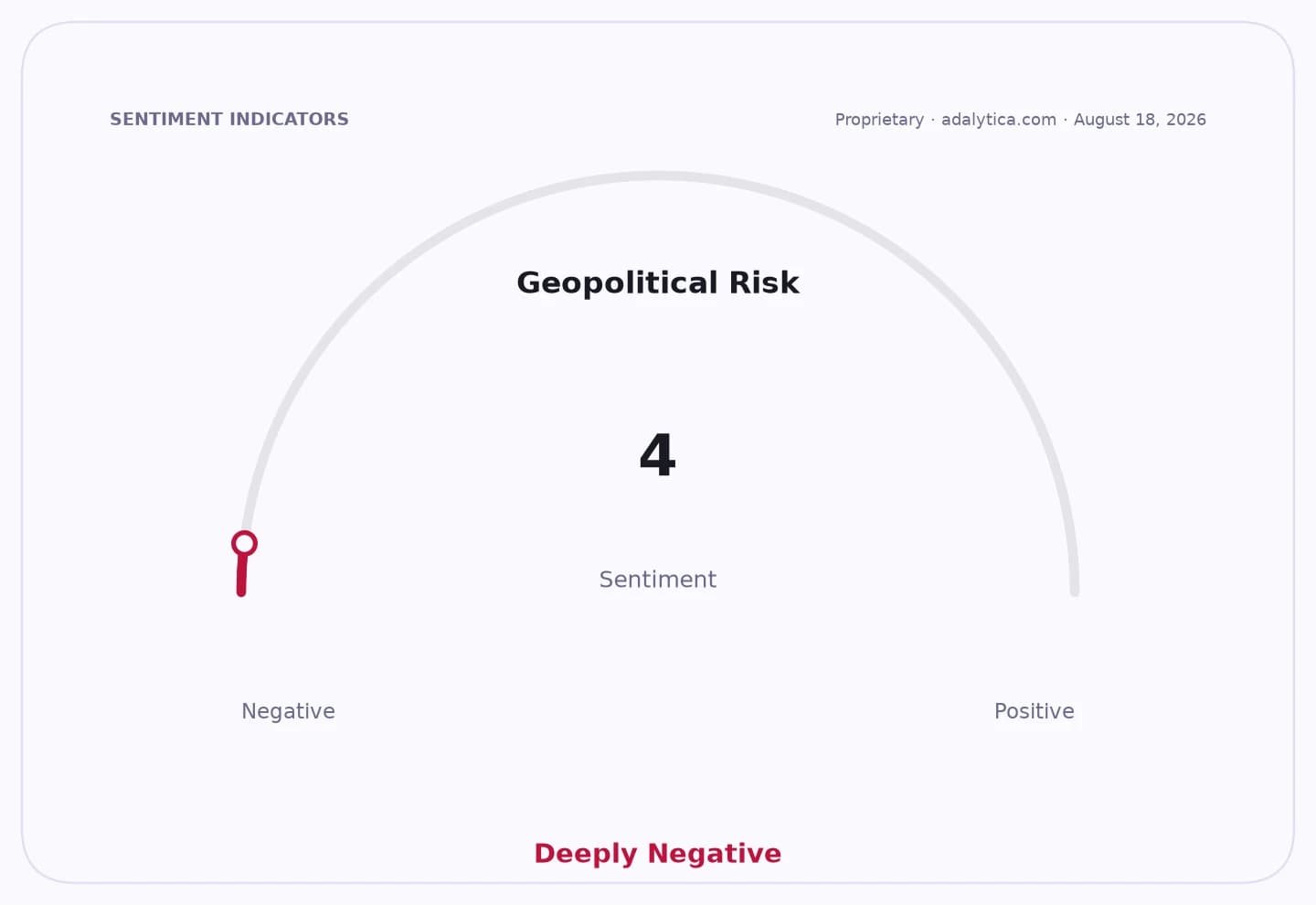
Saudi Aramco is discussing crude supply routes that would bypass the Strait of Hormuz, a sign that the world’s biggest oil exporter is preparing for a more fragile shipping landscape just as traders are again paying up for Middle East risk.
That matters because Hormuz remains the narrow chokepoint for a huge share of global seaborne crude and fuel flows, and any move to diversify away from it is a direct response to the market’s biggest fear: a supply interruption that could quickly turn into a price spike. With Brent and WTI already back in the high-$80s to low-$90s area, the market is clearly pricing more than ordinary volatility; it is pricing optionality for disruption.
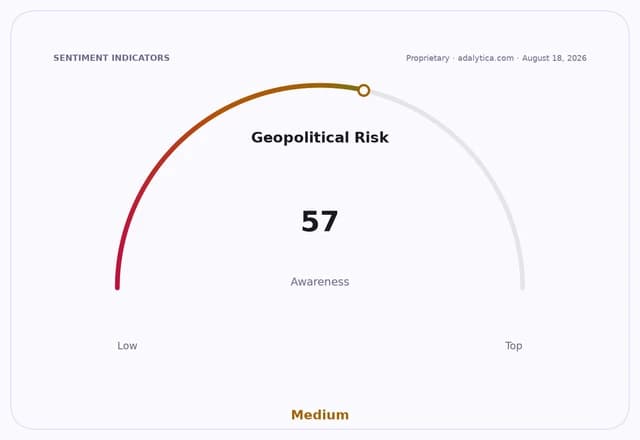
The strategic message is bigger than one shipping discussion. If Saudi Arabia is actively exploring alternatives, it is acknowledging that resilience, not just efficiency, is becoming the dominant variable in oil logistics. That is a structural shift investors should not ignore. Energy producers with access to multiple export corridors, pipeline operators, storage assets and tanker-linked infrastructure gain value when the market starts to assign a premium to route security. Importers and refiners dependent on a single chokepoint lose bargaining power and may face higher delivered costs.
Oil prices have already shown how fast risk can revalue the market. WTI surged above $100 earlier in the year and has remained elevated enough to keep inflation assumptions sticky, while the 10-year Treasury yield near 4.7% shows bond markets are still wrestling with the prospect that geopolitics can keep energy expensive for longer. That combination is toxic for rate-sensitive assets and supportive for energy cash flows, especially for companies with pricing power and export flexibility.
The investment angle is clear: the market underestimates how quickly logistics anxiety can migrate into capital allocation. If Saudi Arabia and its counterparties widen supply options outside Hormuz, the beneficiaries are the toll collectors of global energy — pipelines, terminals, marine infrastructure and the integrated majors with diversified crude flows. The losers are the regions and buyers forced to live with the Strait’s premium and the higher insurance, freight and inventory costs that come with it.
For investors, this is not just a geopolitical headline. It is a reminder that energy infrastructure is becoming a strategic asset class again. Any escalation around Hormuz could extend the bid in crude, but even without a crisis, the push for alternative routes argues for owning the names that make oil movement possible, not just the producers selling the barrel.
| Entity | Gains | Losses |
|---|---|---|
| Saudi Aramco | ▲Supply flexibility | ▼Chokepoint dependence |
| Pipeline and terminal operators | ▲Higher strategic value | ▼Less route risk discount |
| Oil producers with diversified exports | ▲Better pricing power | ▼Logistics exposure |
| Importers and refiners in Asia | ▲More supply options | ▼Higher freight and insurance costs |