Saudi TASI Holds as Aramco Supports Index
Saudi Arabia’s main stock index barely slipped over the week, but the market still added 29.43 billion riyals in value, and the difference was Aramco. In a market that remains heavily shaped by energy prices, the index’s modest 0.23% decline masks a more important message: investors are still treating Saudi equities as a crude-oil proxy, and Aramco remains the decisive stabilizer.
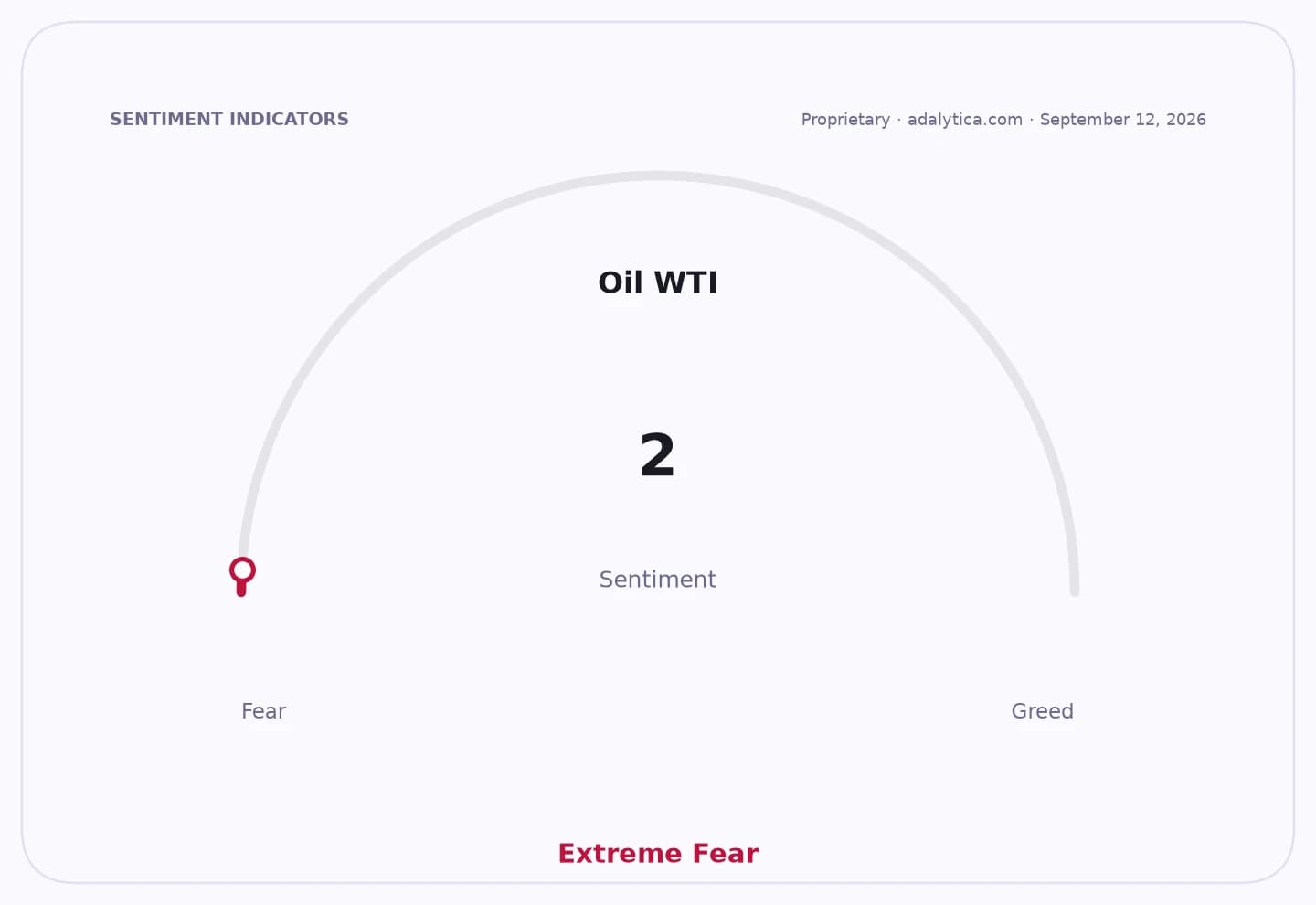
That matters because the Saudi market is not just trading company earnings; it is trading the direction of oil, fiscal confidence and foreign capital appetite all at once. Brent and WTI have been under pressure, with WTI down 3% over the past week and 39% over the past month according to Adalytica’s Oil WTI Trade Signals, which flagged “Extreme Fear” despite “Extreme Greed” awareness. In other words, oil sentiment is poor, but the market is still watching the sector because it anchors Saudi cash flows, dividend expectations and index weightings.
Aramco’s influence is especially important when US Treasury yields are elevated. The 10-year yield has climbed to 4.95%, a level that keeps global equity risk premiums under pressure and raises the hurdle for cyclical and dividend-heavy markets alike. In that setting, Saudi shares need either strong oil support or clear domestic growth catalysts to attract money. With oil wobbling, the market’s resilience becomes a test of whether investors still want exposure to the kingdom’s energy engine or are beginning to rotate toward other GCC opportunities.
The price action in Saudi Aramco’s shares suggests the answer is still yes, at least for now. The stock has held above its 50-day and 200-day moving averages, though recent readings show momentum cooling, with the RSI slipping to 40.3 and the MACD turning mildly negative. That looks less like a trend break than a consolidation after a long run. For investors, that is the key setup: if crude stabilizes near current levels, Aramco can continue to act as a defense stock for the TASI, while any rebound in oil could quickly restore leadership.
The broader investable narrative is that Saudi equities remain a leveraged bet on energy discipline, not just local earnings. If oil keeps drifting lower, the index may struggle to extend gains even with episodic support from Aramco. But if geopolitical risk or supply cuts tighten the market, the kingdom’s benchmark could regain its upward bias quickly. For now, the takeaway is straightforward: the market is not breaking down, but it is increasingly dependent on Aramco to keep the floor under TASI.
| Entity | Gains | Losses |
|---|---|---|
| Aramco | ▲Index support, safe-haven demand | ▼Less upside if oil weakens |
| TASI | ▲Value gains, stability | ▼Broad momentum remains fragile |
| Saudi bondholders/fiscal policy | ▲Energy-linked revenue cushion | ▼Lower oil reduces budget flexibility |
| Oil consumers/importers | ▲Cheaper crude input costs | ▼Energy exporters and energy equities |