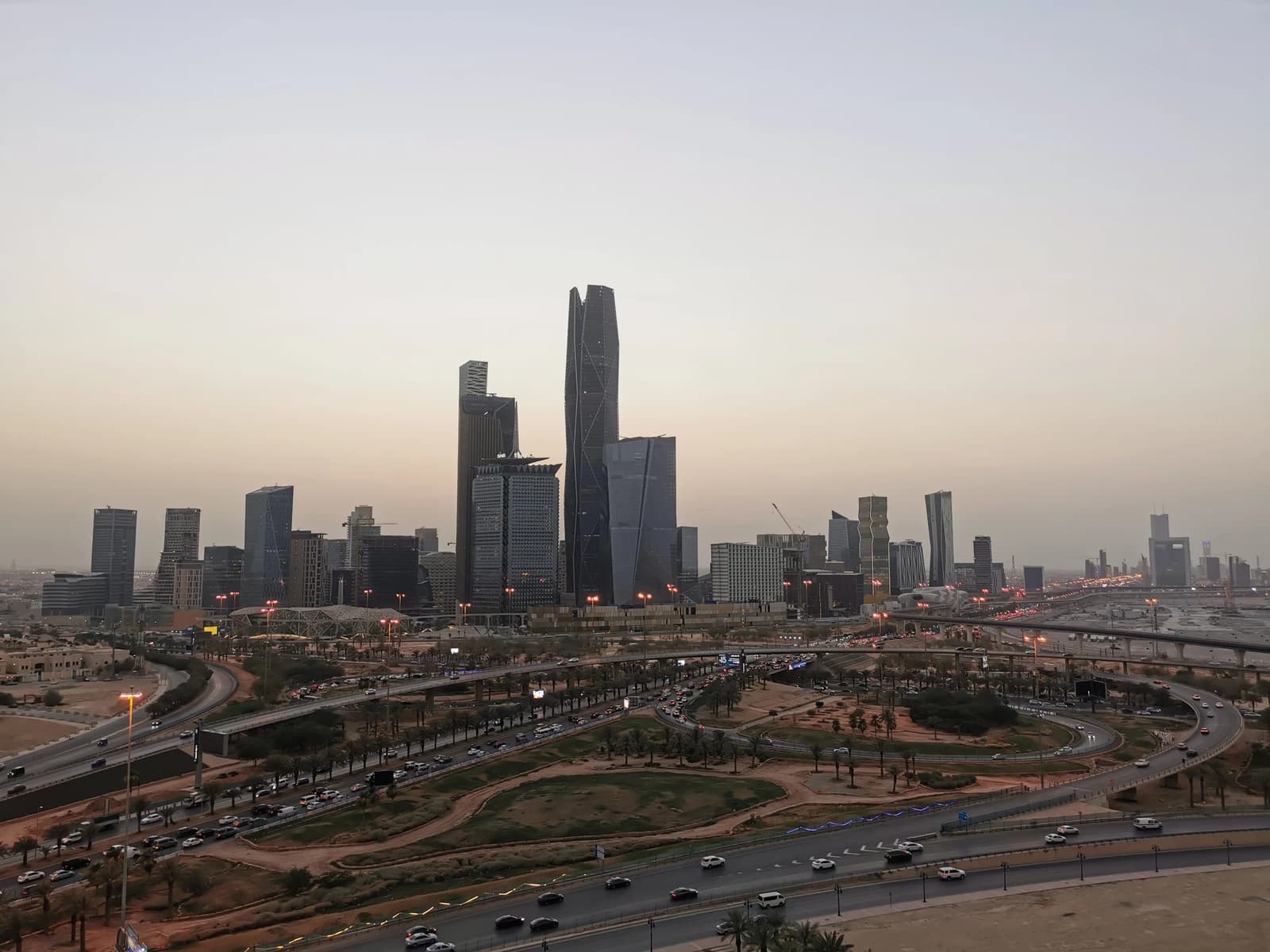
Saudi Arabia’s TASI extended its losses on Thursday, sliding 1.32% as broad-based selling hit almost every sector and pushed the benchmark back to 10,403.41 points, a move that underscores how quickly sentiment can unwind in the kingdom’s equity market when financials and cyclicals lose footing.
Saudi TASI falls 1.32% as banks weaken
The decline matters because it was not a narrow pullback in a few names. Trading showed widespread pressure across 256 stocks, with only 10 ending in positive territory, while sector weakness was nearly universal. That kind of breadth usually points to de-risking rather than stock-specific weakness, and it often weighs on near-term liquidity, index stability and investor appetite for higher-beta Saudi exposures.
Sentiment IndicatorsⓘProprietary · adalytica.com · October 10, 2026
This is a snapshot — live sentiment, awareness and momentum for 130+ markets update continuously in the dashboard.Open AlphaPulse
Banks were among the biggest drags, with the banking index down 1.39%, while insurance fell 2.99% and transport lost 2.62%. Media and entertainment led sector declines with a 3.11% drop. Energy was the only bright spot, inching up 0.03%, a reminder that the market’s biggest defensive pillar is still doing the heavy lifting even as the rest of the tape softens.
The slide came on active turnover of 2.48 billion riyals, suggesting investors were not just sitting on the sidelines but actively rotating out of risk. Al Rajhi was the most traded stock by value even as it fell 0.95%, while Saudi National Bank dropped 3.07% on more than 214 million riyals in trading. That weakness in heavyweight lenders is important because banks often set the tone for the wider market and for domestic risk appetite.
The pressure also spread to companies with fresh catalysts. Extra dropped 7.45% and Tasheel fell 6.78% after reporting results for the nine months ended Sept. 30, 2026, showing that earnings alone were not enough to support valuations in a softer tape. At the other end, National Steel Company surged 10% to a 52-week high, but that outlier only highlighted how concentrated the market’s strength had become.
The broader message for investors is that the Saudi market is still vulnerable to sector-wide unwinds when leadership falters. With banks, insurers and transport all under pressure, the near-term trade favors selectivity over index exposure. Energy remains the stabilizer, but if financials cannot regain traction, TASI may struggle to hold recent levels and the market could keep rewarding only the strongest balance sheets and the most obvious turnaround stories.
| Entity | Gains | Losses |
|---|---|---|
| Energy sector | ▲Relative resilience | ▼Broader market weakness |
| Banks | ▲High trading interest | ▼Index drag, price declines |
| Insurance and transport | ▲— | ▼Heavy sector declines |
| Select stocks with catalysts | ▲Stock-specific upside | ▼Broad risk-off sentiment |