Saudi Arabia, Turkey, Pakistan defense pact boosts contractors
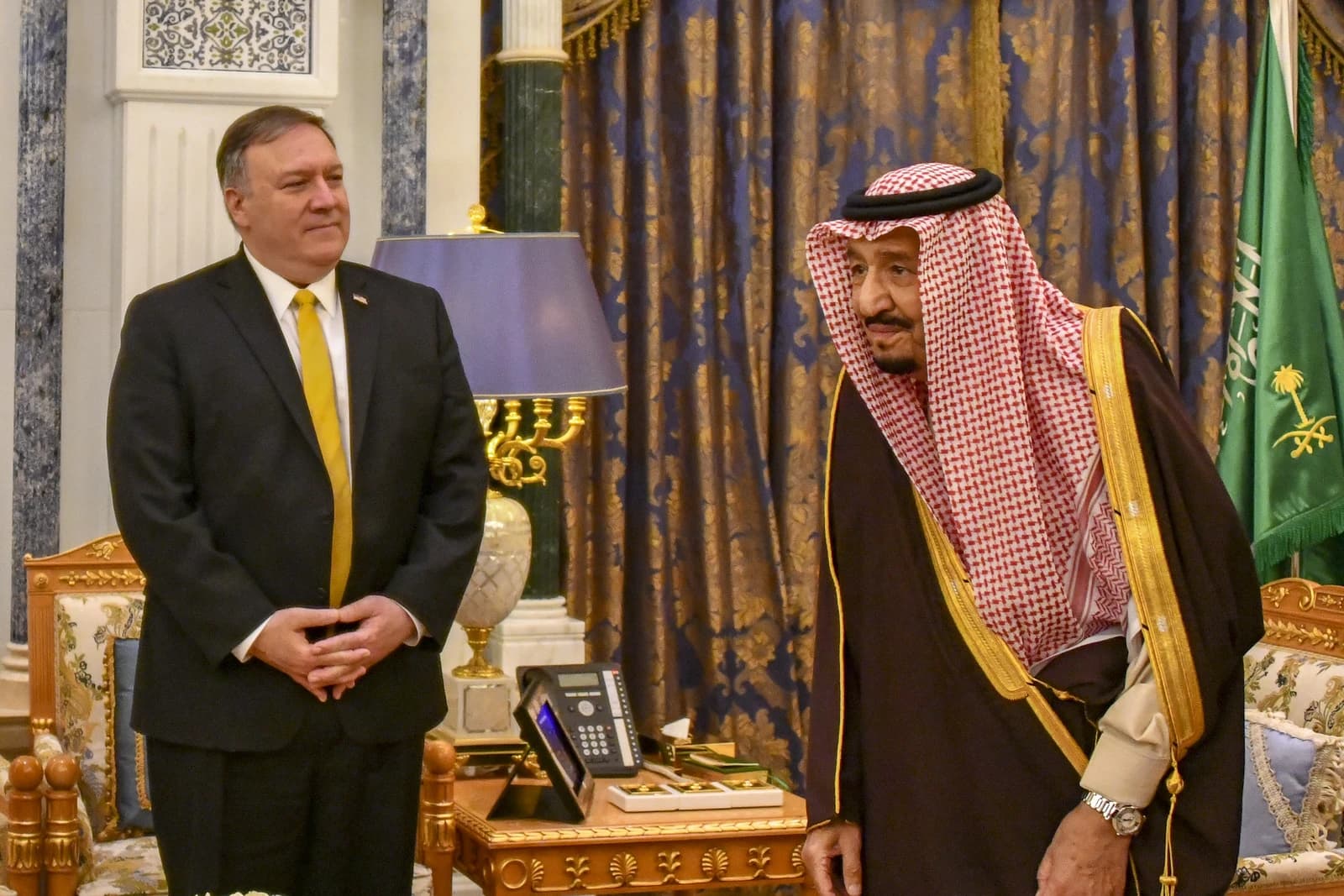
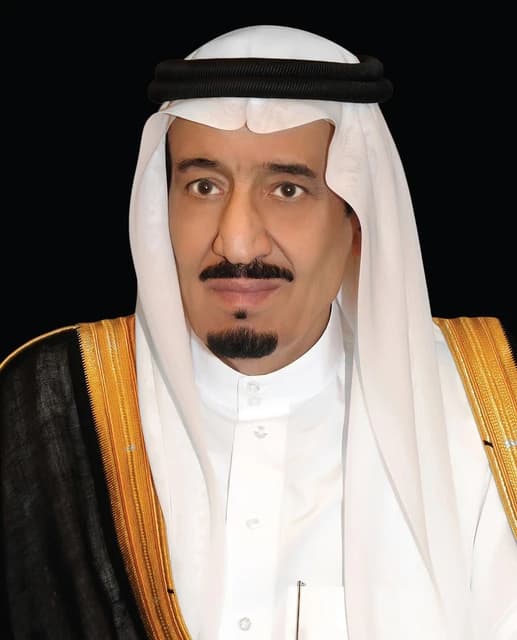
Saudi Arabia, Turkey and Pakistan have formalized a mutual defense pact that could deepen demand for missiles, aircraft, surveillance systems and other military hardware at a time when global stability is deteriorating, putting a fresh geopolitical bid under U.S. defense contractors.
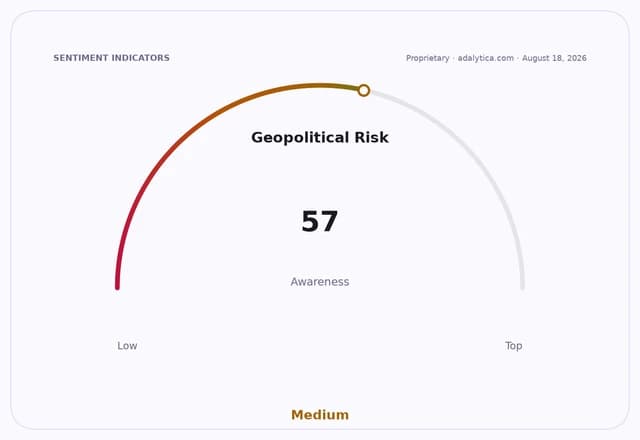
The agreement, which the trio is presenting as a regional security framework, comes as conflict risks across the Middle East remain elevated and as Adalytica’s Global Stability Sentiment gauge shows “Extreme Fear” at 4, a level that underscores how quickly markets are pricing in more geopolitical stress. The pact also follows comments tied to the Makkah Agreement, which welcomed Trump’s support and said it would continue to play a role in regional defense and security.
For investors, the significance is not just more diplomatic theater. Mutual defense commitments and joint military drills typically translate into larger procurement budgets, more interoperability spending and longer-term contracts for fighters, missile defense, radar and command-and-control systems — areas where RTX, Lockheed Martin and Northrop Grumman are key suppliers.
The stocks have already been trading with geopolitical momentum. RTX closed at $221.64 on Aug. 17, up from $149.53 on Sept. 9, and remains above both its 50-day and 200-day moving averages. Lockheed Martin ended at $593.74, versus $496.21 in October, while Northrop Grumman finished at $570.20 after sliding from a February peak near $764.65, but still sits above its long-term trend line.
The broader backdrop is a defense sector supported by multiple conflicts and by U.S. contractors’ own warnings that overseas tensions can accelerate demand while also delaying licenses, approvals and procurement timelines. That makes the pact a potential revenue tailwind over time, even if the near-term market reaction is mostly about sentiment and order visibility rather than immediate contract awards.
The key question now is whether the agreement evolves from a symbolic alignment into actual procurement and industrial cooperation. Any follow-through on joint exercises, defense production or additional members such as Egypt would deepen the market’s focus on regional rearmament and extend the runway for major defense names.
| Entity | Gains | Losses |
|---|---|---|
| RTX | ▲Missile and radar demand | ▼Geopolitical calm |
| Lockheed Martin | ▲Fighter and defense-system orders | ▼Budget restraint |
| Northrop Grumman | ▲Long-cycle security spending | ▼De-escalation risk |
| Regional rivals | ▲Deterrence pressure | ▼Strategic flexibility |