Semiconductor investors are shifting from a pure AI trade to themes tied to national security, industrial resilience and self-driving vehicles, a broader rotation that is keeping the sector at the center of capital flows even after recent volatility.
Semiconductor stocks rotate toward defense and autos

That matters because chips are no longer just a growth story for data centers. They are becoming a strategic input for governments, automakers and defense contractors, which can support demand even if the AI cycle cools or export rules tighten.
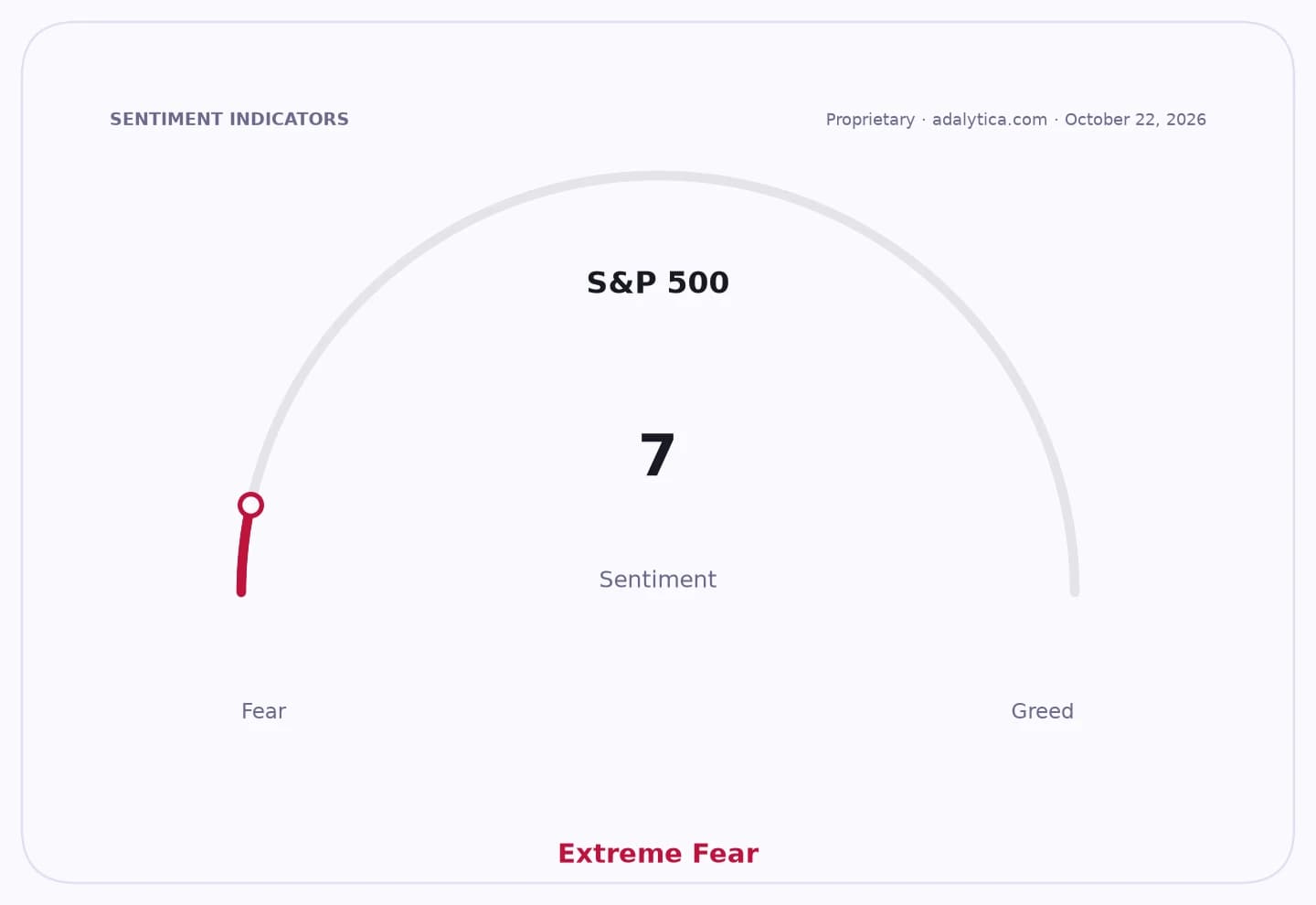
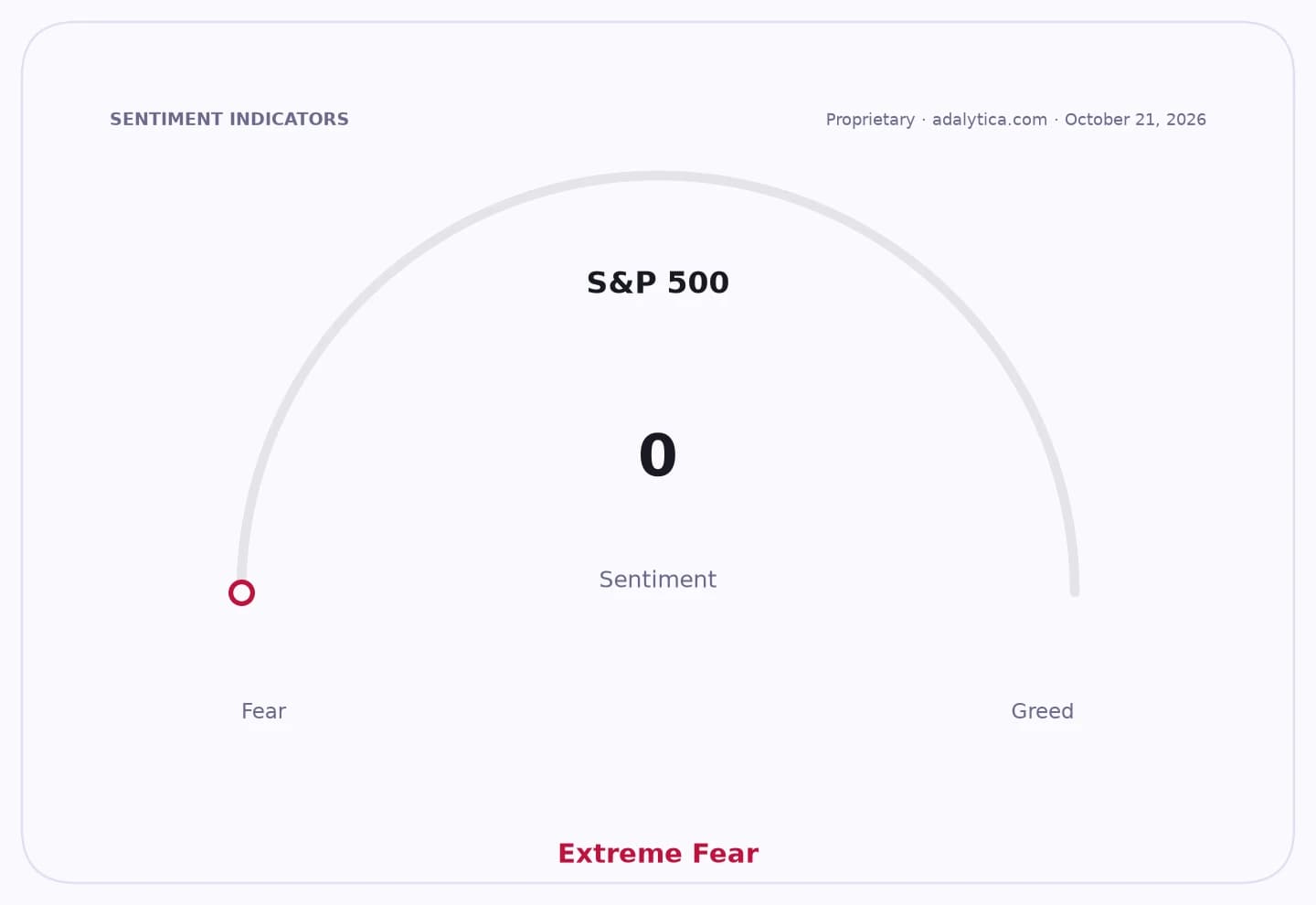
Sentiment IndicatorsⓘProprietary · adalytica.com · August 27, 2026
This is a snapshot — live sentiment, awareness and momentum for 130+ markets update continuously in the dashboard.Open AlphaPulse

The move comes as the sector digests both strong long-term demand and sharper policy risk. Nvidia’s latest filing says semiconductors linked to AI, including GPUs, are increasingly caught in export-control restrictions from the U.S. and allies, while also warning that its capacity commitments totaled $36 billion as of July 26.
Investors are already paying up for the winners. The SOXX semiconductor ETF has climbed to 515.40 from 465.00 on July 29, though it remains below its recent peak and its 50-day moving average of 553.25, with RSI at 43.0 showing the rally has cooled. Rival chip gauge SMH ended Wednesday at 555.77, also below its 50-day average of 584.94.
The backdrop is still supportive for industrial demand. U.S. industrial production is forecast to rise 0.33% in August to 103.3368, while the 10-year Treasury yield eased to 4.64% before a forecast of 4.681%, a mix that keeps the market focused on growth stocks with durable earnings power but also on balance-sheet and supply-chain strength.
The sector’s leaders are split by theme. Nvidia remains the AI anchor, with shares at 209.66 after touching 223.96 earlier this month, while broader semiconductor funds have seen sharper swings as traders weigh whether the next leg of returns comes from AI infrastructure or from chips tied to missiles, sensors, factory automation and advanced driver-assistance systems.
For investors, the key question is which chipmakers can benefit from multiple demand pools rather than a single hype cycle. That favors companies exposed to automotive, defense and industrial electronics, as well as firms with secure supply chains and manufacturing footprints less vulnerable to geopolitics.
The next catalyst is whether chipmakers and their customers confirm that spending is broadening beyond AI servers when they report earnings and update capital spending plans.
| Entity | Gains | Losses |
|---|---|---|
| Defense chip suppliers | ▲More strategic demand | ▼Cyclical AI dependence |
| Auto semiconductor vendors | ▲Autonomous driving growth | ▼Pure-play AI traders |
| Resource-security winners | ▲Policy-backed orders | ▼Global supply-chain risk |
| Export-exposed GPU makers | ▲AI boom | ▼Control-related restrictions |