Seoul Housing Policy Fight and Supply Shortage
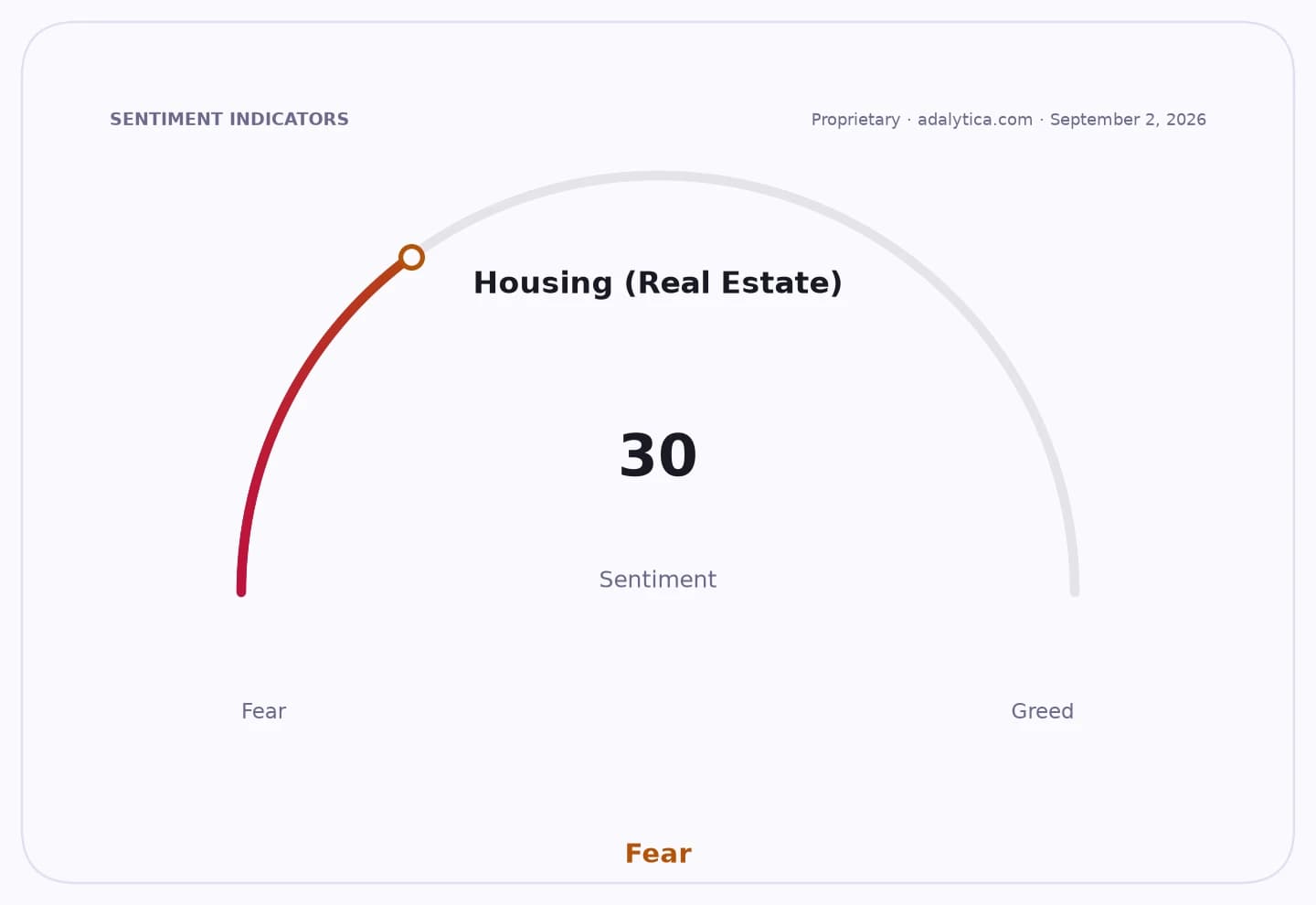
Seoul’s housing policy battle has become a market story, not just a political one, as Mayor Oh Se-hoon blasted President Lee Jae-myung’s warning about a possible house-price collapse and said the government is trying to stoke fear rather than solve the supply shortage.
That matters because Korea’s property market sits at the center of household wealth, mortgage risk and political credibility. When the president talks about preparing for a price slump by buying homes for public stock, and Seoul’s mayor calls that thinking “dumbfounded,” it underscores how far apart policymakers are on the basic diagnosis: whether the problem is speculative demand that needs to be crushed, or a chronic lack of supply that needs to be built.

Oh’s criticism is especially pointed because he challenged the government’s core claims. He argued that “early mass supply” is not backed by a concrete timetable, that recent softness in some high-end listings should not be mistaken for a broader correction, and that rising auction inventories do not automatically translate into falling prices. He cited Seoul’s July auction sale ratio at 101%, above 100% for a fourth straight month, as evidence that demand remains deep and supply remains tight.
For investors, the significance is that policy uncertainty is rising at the same time affordability stress is already squeezing the market. The news flow points to more pressure on Seoul-area developers, lenders and homeowners, but not necessarily a clean downturn in prices. Instead, it raises the odds of a volatile market in which politically driven measures, tax threats and public housing purchases can distort transaction timing without fixing the underlying shortage.
That is exactly where the investable opportunity lies. The market often overreacts to headline-level rhetoric and underprices the second-order winners from a prolonged supply gap: builders with land, infrastructure plays, construction materials, mortgage platforms and rental housing operators. In the U.S., the same affordability squeeze has helped keep homebuilder ETFs under pressure even as demand for shelter stays structurally intact, and conventional technical indicators on housing stocks such as the 50-day moving average and RSI readings show the sector remains under strain. The broader message is the same in Seoul: policy noise can hit sentiment, but it does not create homes.
Adalytica’s Housing Fear & Greed Index is already flashing extreme fear, while its housing-rent sentiment gauge points to elevated attention around the sector. That kind of backdrop often marks a period when the market is most vulnerable to overshooting on the downside — and when long-term capital can accumulate exposure to the parts of the housing chain that benefit from persistent scarcity.
For investors, the thesis is not to bet on a crash. It is to position for a prolonged, politically charged shortage in urban housing, where supply lag, not demand collapse, remains the real profit engine. The winners are the builders, landholders and infrastructure beneficiaries that can eventually deliver units; the losers are policymakers who think rhetoric can substitute for cranes.
| Entity | Gains | Losses |
|---|---|---|
| Seoul homebuilders | ▲Potential policy-backed demand | ▼Margin pressure from uncertainty |
| Landowners in supply-constrained areas | ▲Higher long-term asset values | ▼Short-term political scrutiny |
| Homebuyers | ▲Possible future public supply | ▼Confusing policy signals |
| President Lee / central government | ▲Ability to frame anti-speculation agenda | ▼Credibility if supply slips |