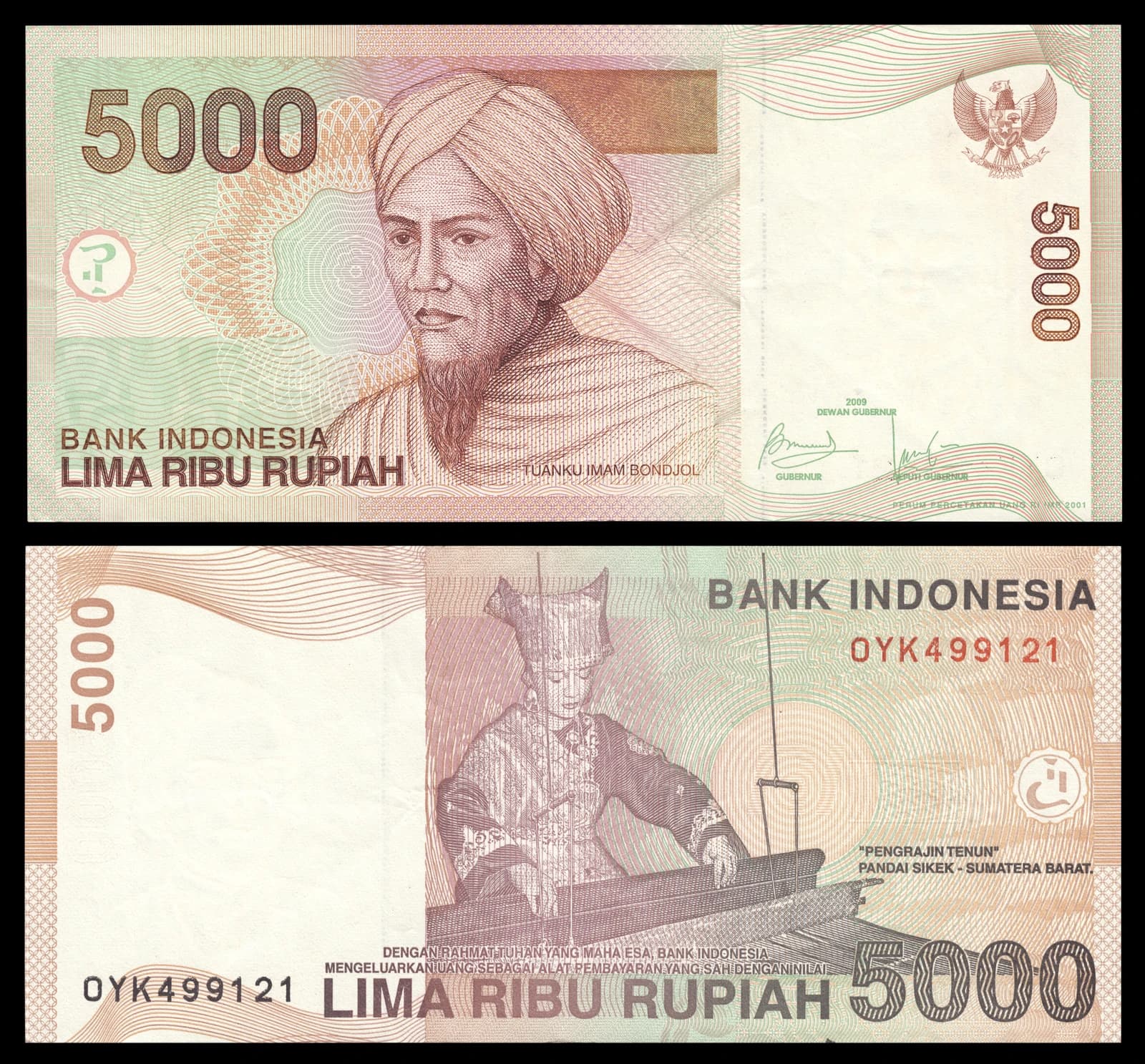
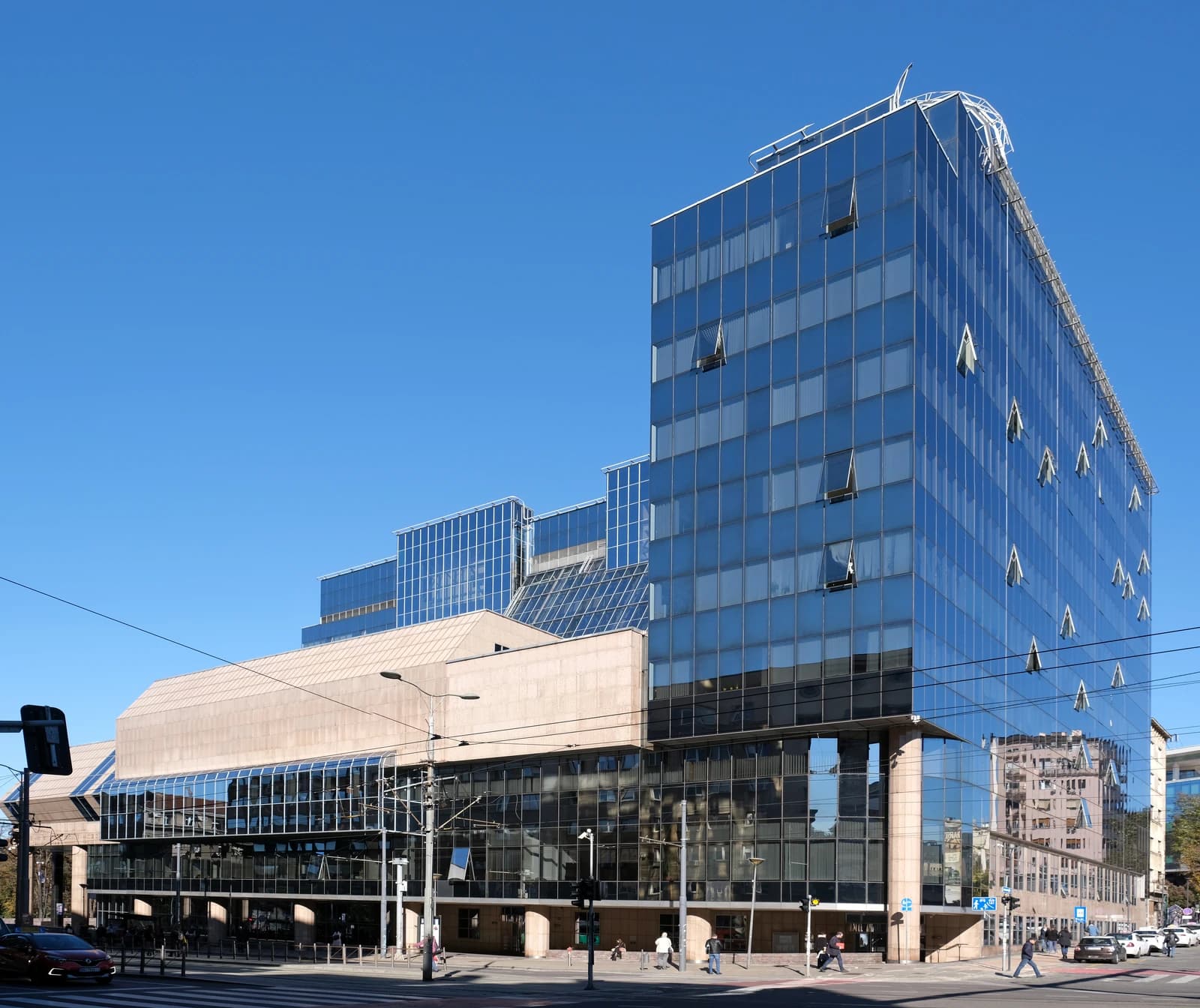
The National Bank of Serbia’s July 14 euro exchange rate announcement underscores a broader story of currency steadiness in a country whose policy credibility increasingly matters as it pushes deeper into the European Union orbit.
Serbia Keeps Dinar Peg Steady Amid Quiet Euro Market
For investors and businesses, the significance is less about a single fixing than about what it signals: the dinar remains tightly managed against the euro, limiting imported inflation and giving importers, retailers and households more predictable pricing. In a small, open economy where foreign-currency exposure is pervasive, that stability is a macro anchor. It also helps explain why exchange offices can quote relatively narrow buying and selling ranges without showing signs of stress.
Sentiment IndicatorsⓘProprietary · adalytica.com · July 14, 2026
This is a snapshot — live sentiment, awareness and momentum for 130+ markets update continuously in the dashboard.Open AlphaPulse

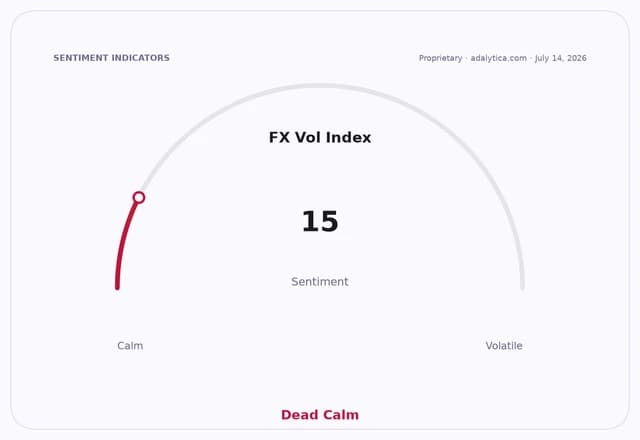
The latest trading backdrop in euro-linked assets reinforces that calm. FXE, the euro-tracking exchange-traded fund, has slipped back toward its 50-day average after a strong run earlier in the year, with conventional momentum gauges such as RSI easing from overbought levels into more neutral territory. The broader euro tone remains fragile: Adalytica’s Euro Trade Signals snapshot shows “Extreme Fear,” while FX volatility indicators also point to subdued but cautious positioning. That combination suggests the market is not pricing a major dislocation in the single currency, but neither is it rewarding aggressive euro bullishness.
That matters for Serbia because the dinar’s stability is effectively a policy choice tied to the euro. A firm or tightly managed exchange rate helps contain pass-through from imported energy, food and manufactured goods, and supports balance-sheet stability for corporates and households with euro-denominated debt or revenues. It also lowers transaction risk for exporters and importers, though the trade-off is less flexibility if external shocks or capital flows turn against the region.
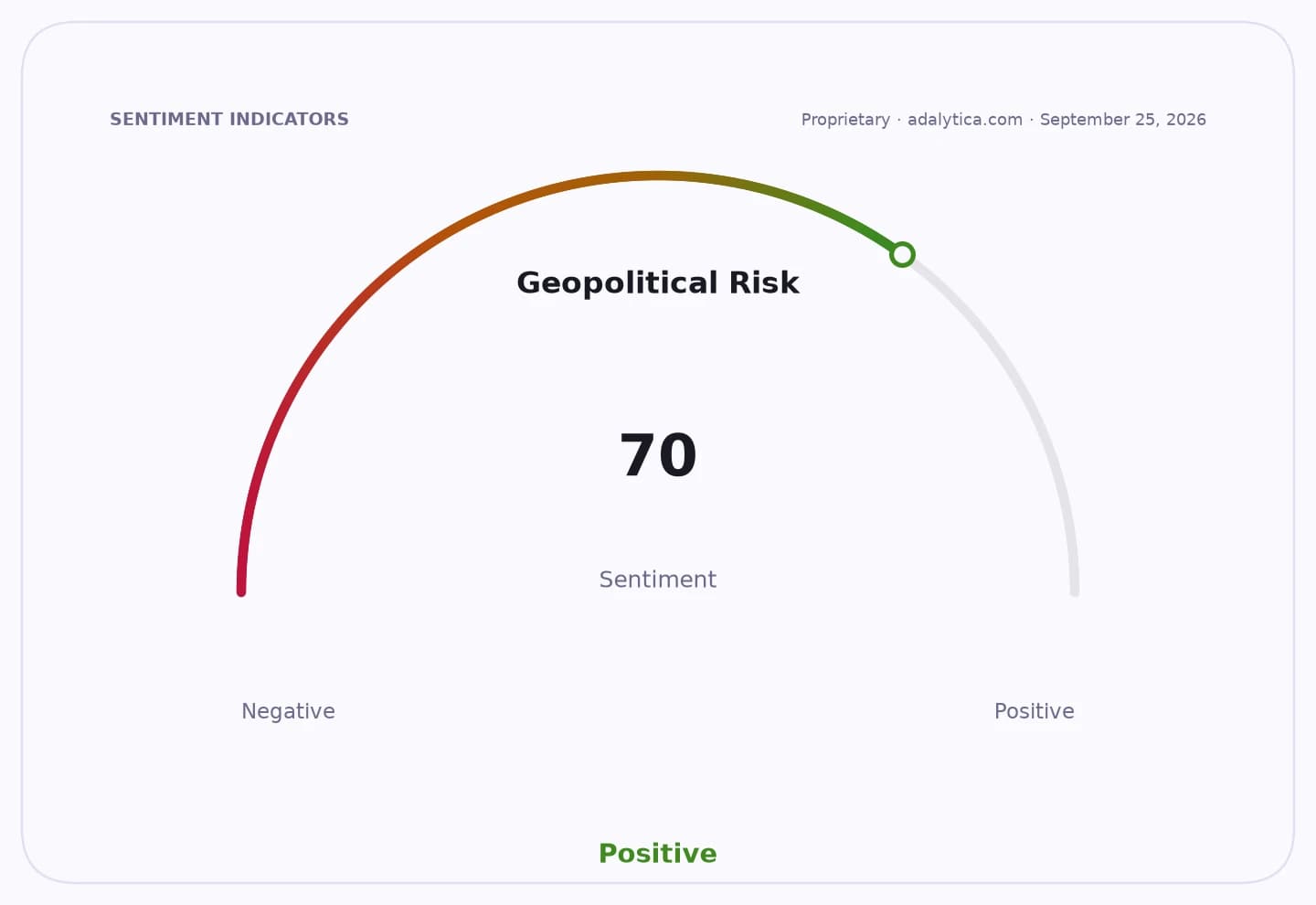
The currency backdrop arrives as Belgrade continues to seek stronger EU backing for Cluster 3 talks, a process that would deepen Serbia’s economic integration with the bloc. That political momentum matters economically because accession progress can reduce country-risk premia over time, support foreign direct investment and make the currency regime easier to defend. But it also raises the bar on governance, sanctions alignment and broader policy consistency, which investors will watch closely.
For now, the message from the central bank is one of continuity rather than surprise. A stable euro fixing and quiet FX market suggest policymakers are prioritizing predictability over drama. The question for investors is whether that calm can persist if external financing conditions tighten, the euro weakens again, or EU negotiations stall.
| Entity | Gains | Losses |
|---|---|---|
| Serbian households | ▲Predictable import prices | ▼Less upside from a weaker dinar |
| Importers and retailers | ▲Stable input costs | ▼Margins if euro costs rise |
| Exporters | ▲Lower FX volatility | ▼Less currency flexibility |
| NBS and policymakers | ▲Credibility and stability | ▼Room to absorb shocks |