Serbia inflation rises 0.5% in August
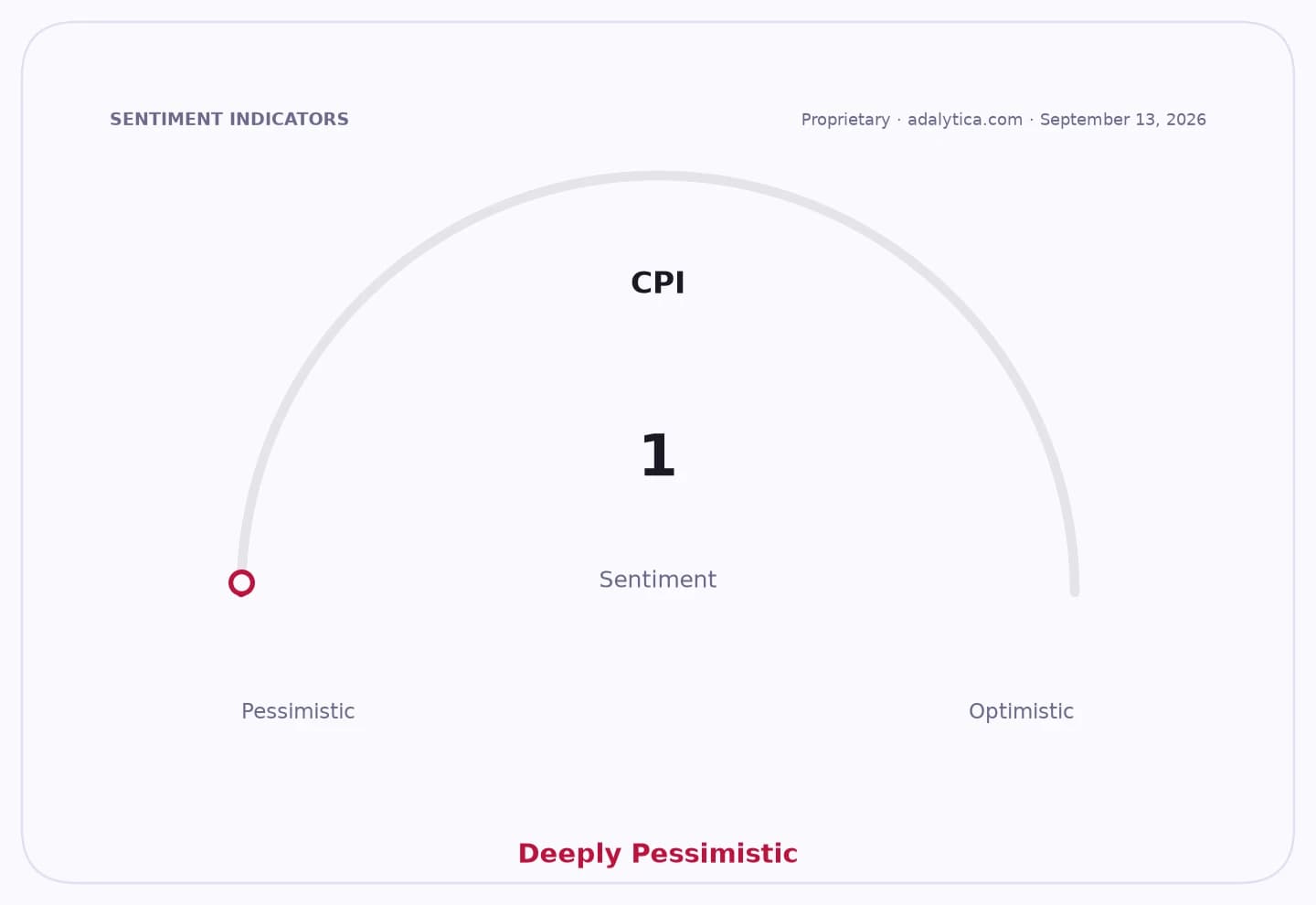
Serbia’s inflation picked up in August, but the annual rate remained close to the central bank’s comfort zone, giving policymakers room to stay patient even as prices in transport and services continued to rise.
The republic statistics office said consumer prices increased 0.5% from July and were 2.2% higher than a year earlier, with year-to-date inflation at 3.0%. The reading suggests price pressures are still present, but not at a pace that would force an immediate policy response.
For investors, the key issue is whether the latest monthly gain marks a temporary bump or the start of a broader re-acceleration. Stable annual inflation can support local-currency assets and reduce pressure on borrowing costs, while a firmer trend would eventually weigh on bonds and rate-sensitive sectors.
The biggest monthly increases came in transport, up 1.7%, recreation, sport and culture, up 1.3%, and furniture, household equipment and maintenance, personal care, social protection and other services, each up 0.9%. Those categories matter because they point to persistent service-sector pricing rather than just volatile food or energy moves.
The data also comes against a backdrop of elevated investor attention on inflation globally, with conventional indicators showing U.S. Treasury yields near 4.8%-4.95% and long-dated bond prices under pressure. That keeps emerging-market inflation prints relevant for rate differentials, capital flows and currency stability.
If inflation stays around this level, Serbia’s central bank can likely avoid urgency on rates. The next test will be whether September data confirm that August was a one-off or the start of a firmer price trend.
| Entity | Gains | Losses |
|---|---|---|
| Serbian households | ▲Lower-than-crisis inflation pace | ▼Higher transport and service prices |
| Serbian central bank | ▲More room to stay patient | ▼Less room if monthly gains persist |
| Bond investors | ▲Stable policy outlook | ▼Any inflation re-acceleration |
| Rate-sensitive borrowers | ▲Reduced near-term rate pressure | ▼Higher funding costs if yields rise |