Serbia Inflation Falls Below NBS Target Midpoint
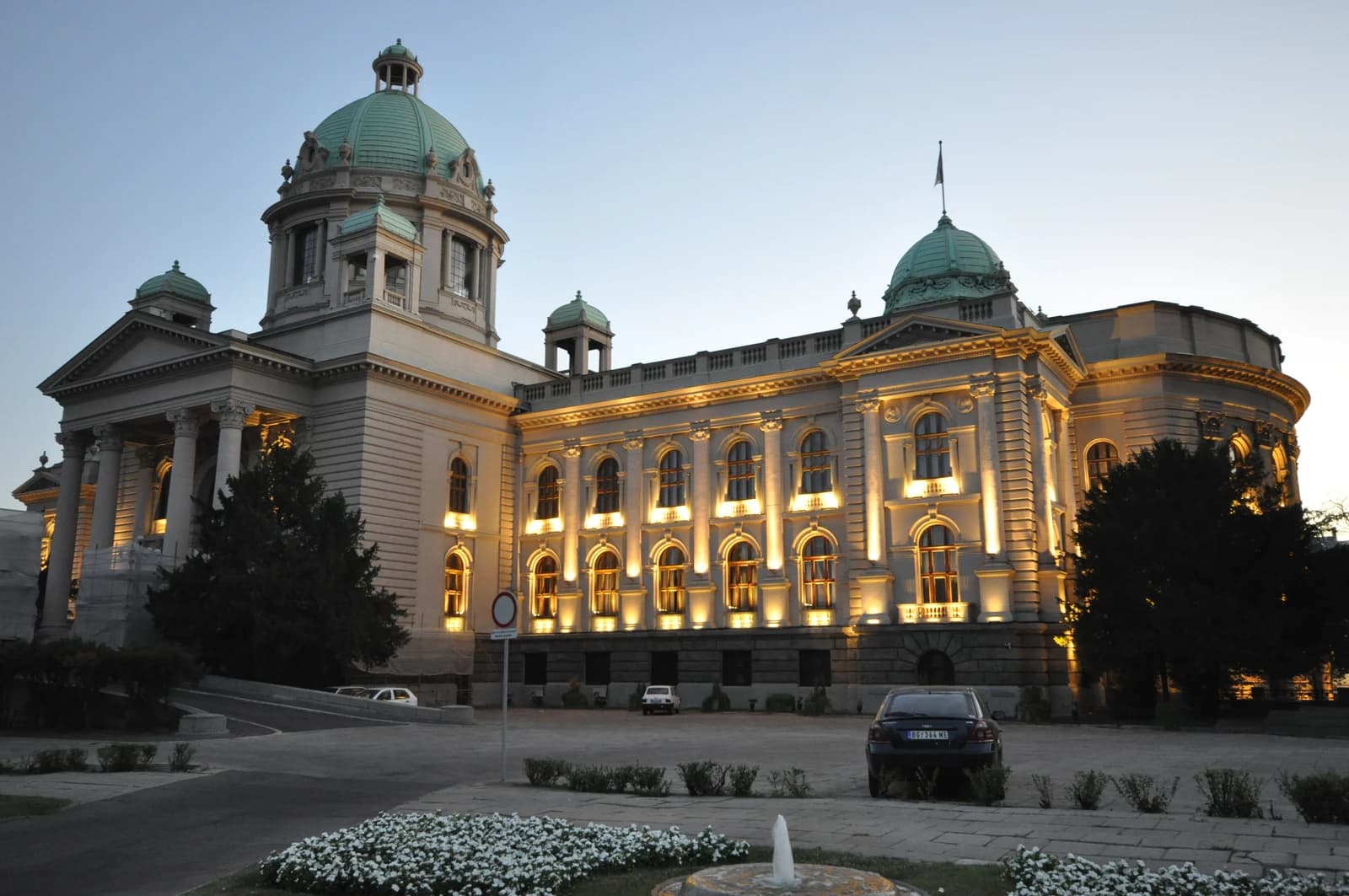
Serbia’s inflation has dropped back below the National Bank of Serbia’s 3% target midpoint, giving policymakers room to stay on hold even as they warn that outside shocks could still upset the recovery.
Governor Jorgovanka Tabakovic said June inflation returned to pre-energy-shock levels and slowed further to 1.9% in July, helped by an excellent harvest of fruit and vegetables. For investors, that matters because it suggests price pressures are no longer demanding aggressive rate hikes, and the central bank can focus on preserving growth rather than fighting inflation at all costs.
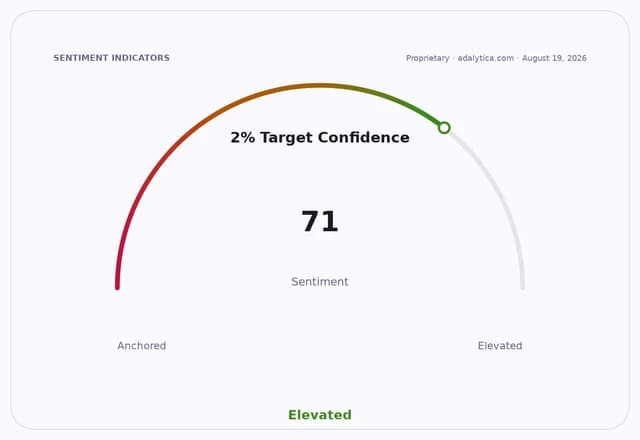
That is a meaningful shift for an economy that, like much of Europe, spent the past two years dealing with higher food and energy costs. Lower inflation usually feeds through to steadier consumer spending, less pressure on borrowing costs and a more predictable backdrop for businesses planning wages, investment and pricing. In a small open economy such as Serbia’s, that stability can be especially valuable if it helps anchor expectations and prevent a temporary price spike from becoming a broader inflation problem.
The July reading was also a reminder of how quickly food supply can influence headline inflation in the Balkans. A strong harvest can pull down prices fast, but it can also fade just as quickly if weather turns or import costs rise. That is why the central bank’s caution still matters: inflation may be under control today, but geopolitics, energy costs and supply disruptions can still reverse the picture.
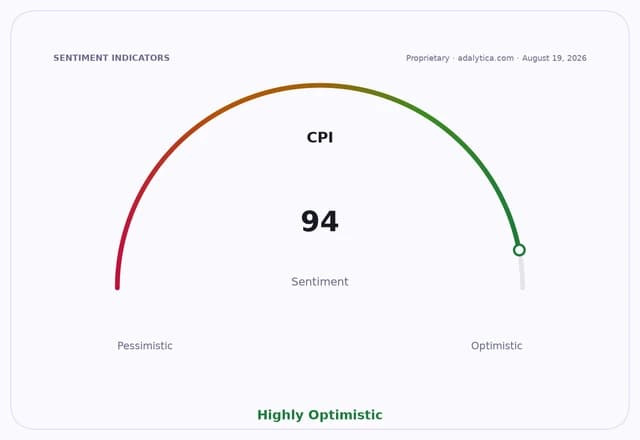
For long-term investors, the key takeaway is that Serbia is looking less like an inflation story and more like a policy normalization story. If price growth stays near the target, the central bank has more flexibility to support domestic demand and keep financial conditions stable. That is usually a better setup for companies, banks and consumers alike. The risk, of course, is that any renewed jump in oil or food prices could force policymakers back into defensive mode.
For now, Serbia appears to have bought itself a calmer inflation backdrop — and that is the kind of foundation investors should prefer when they are thinking in years, not months. It is worth watching.
| Entity | Gains | Losses |
|---|---|---|
| Serbian consumers | ▲Lower living costs | ▼Less urgency for wage catch-up |
| National Bank of Serbia | ▲More policy room | ▼Must watch external shocks |
| Borrowers | ▲Easier financing conditions | ▼Fewer rate-cut surprises |
| Food and energy importers | ▲Stable inflation backdrop | ▼Some pricing power fades |