Serotransferrin study points to earlier CAD screening
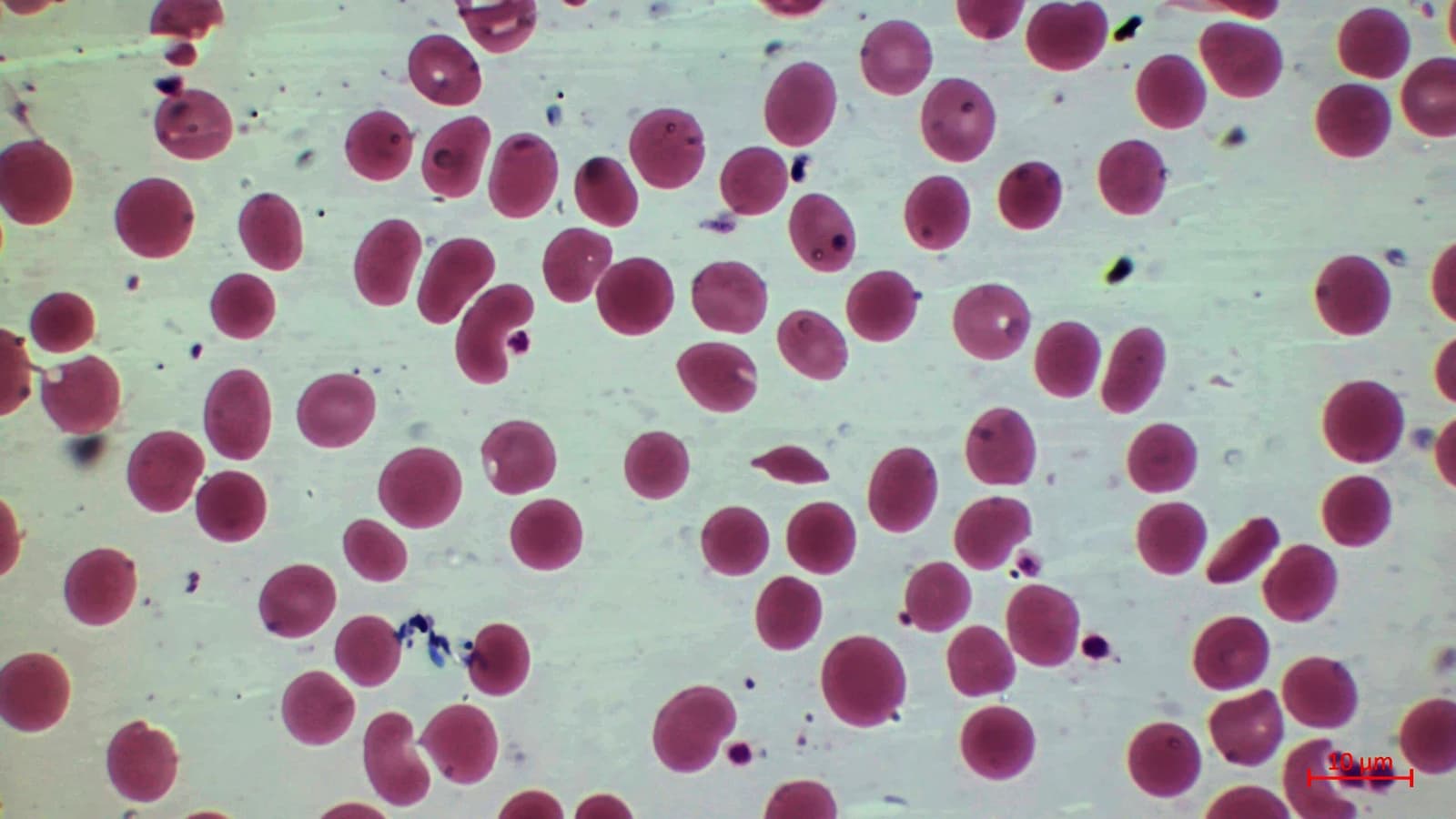
Lower levels of serotransferrin, a blood protein that carries iron, may help doctors spot coronary artery disease earlier than routine diagnosis, a finding that could eventually make heart screening faster and more precise for millions of patients.
Why investors should care is simple: heart disease remains one of the biggest and costliest health burdens in the world, and any biomarker that improves early detection can expand the market for diagnostics, risk stratification and preventive care. The research from Delhi’s CSIR-Institute of Genomics and Integrative Biology suggests serotransferrin could become an early diagnostic marker for coronary artery disease, or CAD, rather than just another protein associated with illness after the fact.

The study, published in Acta Cardiologica, examined 50 CAD patients and 40 healthy people and found that out of 197 differentially expressed proteins, serotransferrin was downregulated in patients with coronary disease. At the same time, troponin I, a protein that rises when heart muscle is injured, was elevated and moved in the opposite direction. That inverse relationship matters because it points to a biological signal that may emerge before more obvious clinical signs, especially if future studies confirm the pattern in larger populations.
That is the real narrative here: medicine is moving from late-stage detection to earlier, biology-based screening. For investors, that favors companies building blood tests, cardiovascular diagnostics and tools that can identify risk before a heart attack or major ischemic event. It also reinforces the long runway for precision medicine, where a single biomarker rarely wins on its own, but becomes valuable as part of a broader panel that improves accuracy and clinical confidence.
Cardio Diagnostics Holdings, which has been developing cardiovascular tests, is one of the obvious public-market names tied to that theme, though it still faces the hard realities of commercialization. Its filings note that diagnostic adoption can take years, sometimes a decade, because tests must clear scientific validation, reimbursement hurdles and clinician behavior changes. That is a reminder that scientific promise does not automatically translate into revenue, especially in healthcare diagnostics.
Still, the long-term opportunity is attractive. If serotransferrin proves useful in larger longitudinal studies, it could help build better screening panels for patients at risk of CAD, a condition driven by plaque buildup and inflammation in the arteries. That could support earlier intervention, lower downstream treatment costs and better outcomes — exactly the kind of shift insurers, hospitals and employers want to pay for.
The study also fits a broader investing lesson: the best healthcare wins often come from catching disease before it becomes expensive. Investors should watch for follow-up trials, commercialization plans and whether serotransferrin is combined with other markers such as troponin, rather than treated as a standalone answer. For now, this looks like an encouraging scientific step with real long-term potential, worth keeping on the watchlist.
| Entity | Gains | Losses |
|---|---|---|
| Patients at risk of CAD | ▲Earlier diagnosis | ▼Delayed detection |
| Diagnostic test makers | ▲New biomarker demand | ▼Older routine-only tests |
| Cardio Diagnostics Holdings | ▲Potential product pipeline boost | ▼Commercialization risk |
| Payers and health systems | ▲Lower long-term treatment costs | ▼More costly late-stage care |