Shanghai Inclusion Conference Spotlights China AI Push
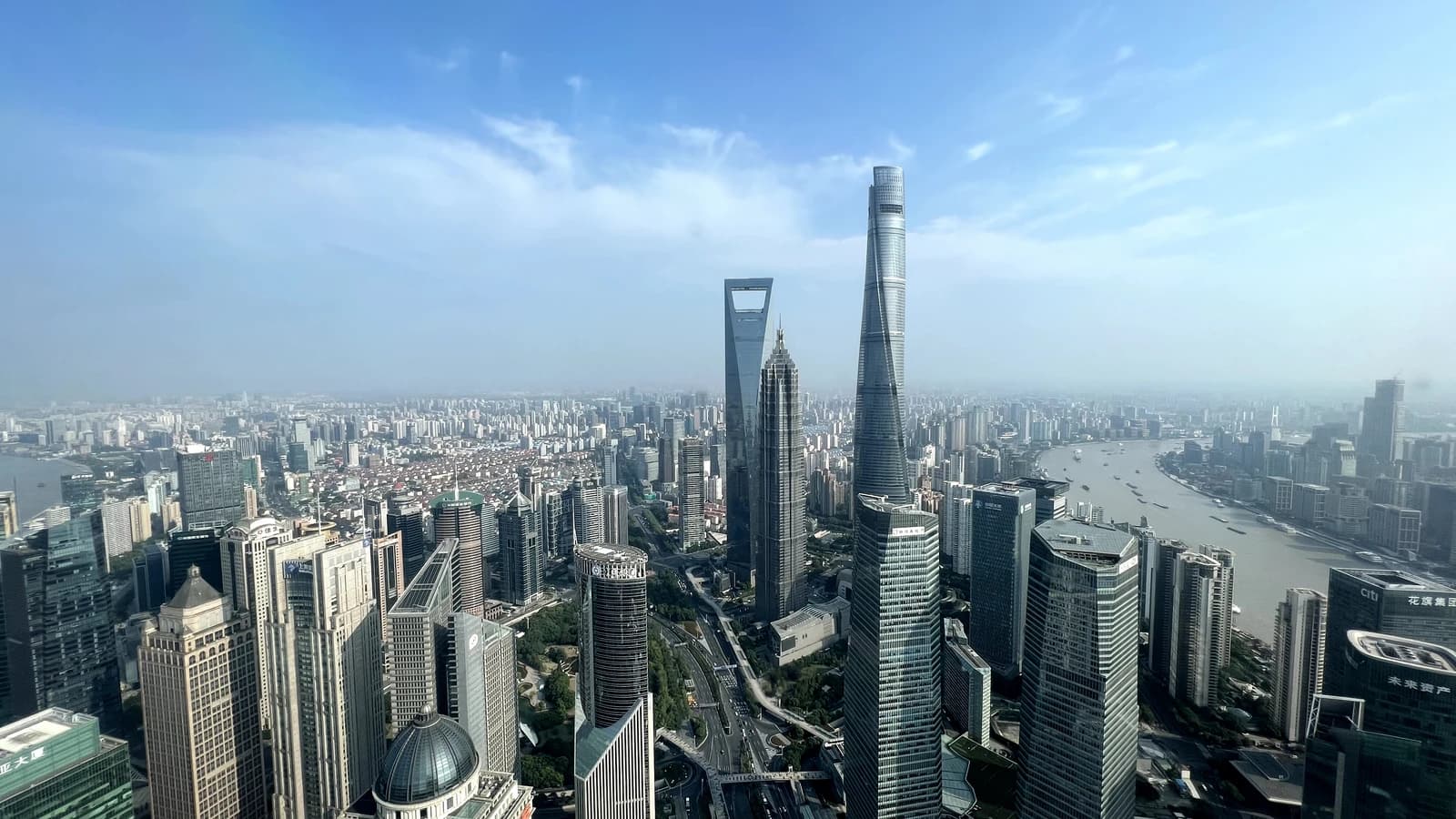
The 2026 Inclusion Conference on the Bund in Shanghai is underscoring how quickly artificial intelligence is moving from research showcase to industrial policy, investment theme and capital-allocation priority in China.
Held under the banner “Building the AI Economy Together,” the four-day event comes with more than 40 sub-forums, a nearly 15,000-square-meter technology exhibition and over 300 sci-tech exhibitors, signaling that the debate has shifted from whether AI matters to how fast it can be commercialized across factories, healthcare, mobility and environmental services.

That matters economically because China is trying to translate AI into productivity gains at a time when growth is under pressure from weak domestic demand, property-sector drag and intensifying competition with the US in advanced technology. The technologies on display — robot systems, bionic devices, eVTOL aircraft and tree-planting robots for desert control — point to a push to widen AI’s use beyond consumer internet and into industrial and public-service applications where automation can cut labor costs and raise output.
For investors, the event is another sign that Chinese policy support is concentrating on the technology stack most likely to deliver medium-term earnings growth: automation hardware, sensors, robotics, software, chips and AI-enabled industrial applications. That is relevant not only for domestic names but also for overseas investors tracking China exposure through vehicles such as the FXI and MCHI exchange-traded funds, both of which remain below their 200-day moving averages and have shown fragile momentum in recent sessions. FXI closed at 34.49 on Sept. 11 after trading around 34.35 the day before, while MCHI ended at 52.96, with both funds still reflecting skepticism about the durability of the China equity rebound.
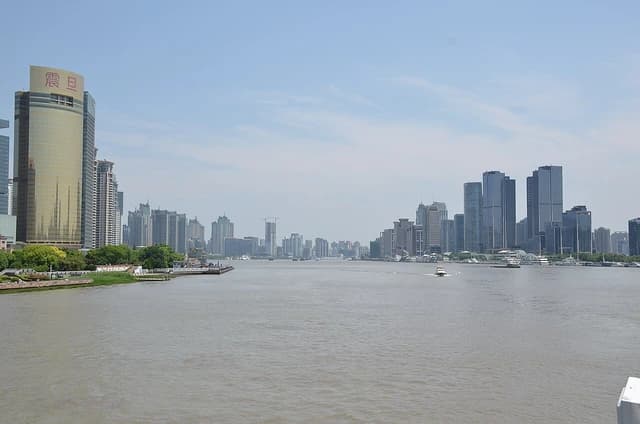
The conference also highlights a broader narrative in China’s markets: policymakers want to frame AI as a source of “new quality productive forces,” a phrase that has become shorthand for upgrading industry without relying on a debt-fueled property cycle. That can help support select growth stocks and venture-backed firms, especially those able to turn demo-floor technologies into scalable revenue. But the bear case remains that many of the showcased products are still at the pilot or exhibition stage, and that commercialization will depend on local government budgets, corporate capital expenditure and a clearer regulatory and financing environment.
The immediate market impact may be limited, but the strategic message is clear. Shanghai is using the Inclusion Conference to position itself as a hub for AI deployment, not just AI discussion, and investors will be watching whether that narrative starts to show up in earnings, procurement and industrial orders rather than conference-stage prototypes.
| Entity | Gains | Losses |
|---|---|---|
| AI hardware and robotics firms | ▲More policy backing | ▼Slower monetization risk |
| Chinese industrial users | ▲Lower operating costs | ▼Upfront capex burden |
| China equity ETFs | ▲Selective tech upside | ▼Broad-market caution |
| Old-economy sectors | ▲Little direct benefit | ▼Capital diverted to tech |