Shanghai keeps manufacturing above 20% of GDP
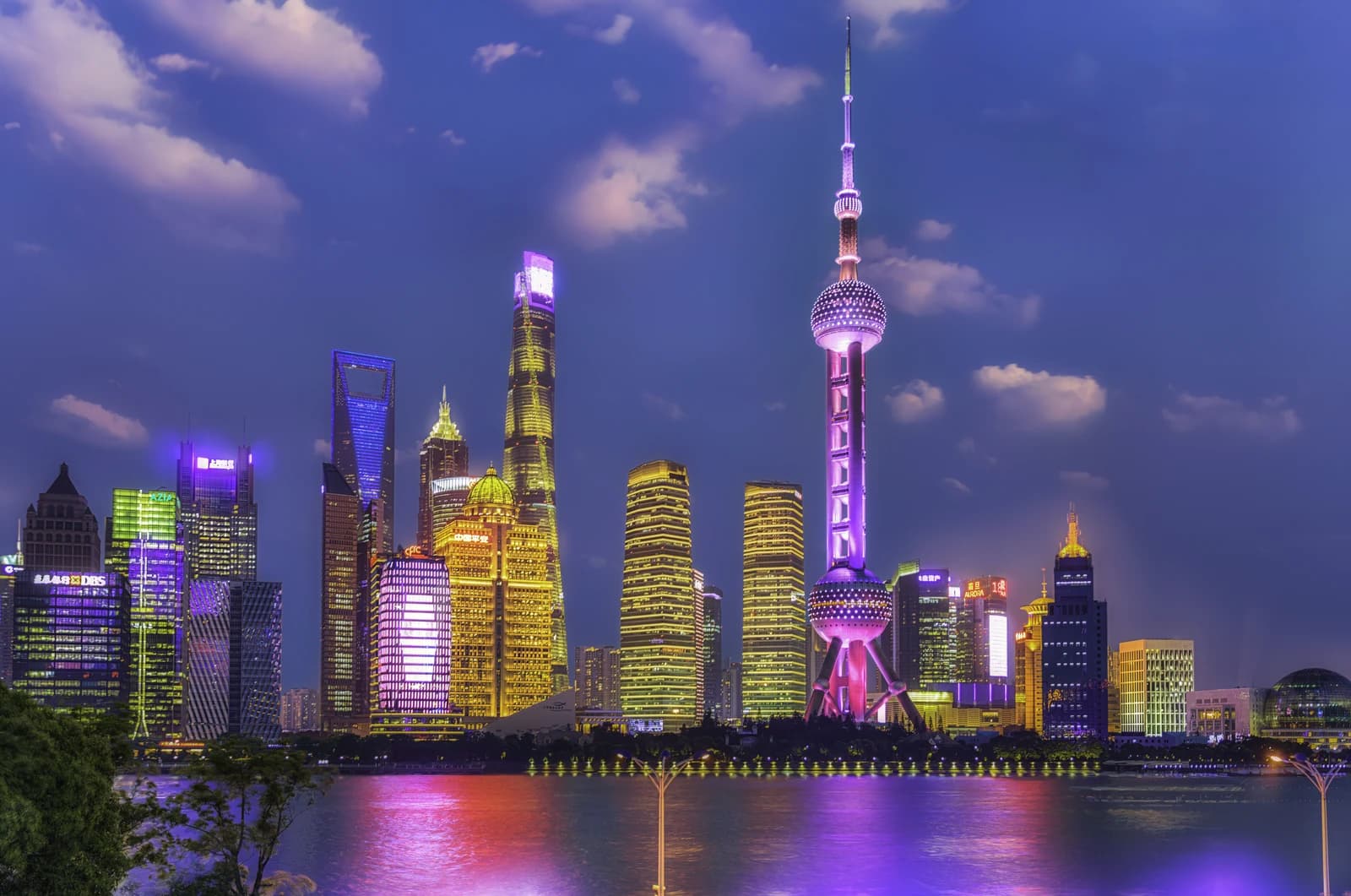
Shanghai is doubling down on manufacturing at a time when many global cities have long since pivoted toward services, because its leaders see industrial scale as a strategic asset for growth, supply-chain security and national technology ambitions.
The city’s new “15th Five-Year” industrial plan sets a goal of keeping manufacturing value added at more than 20% of GDP by 2030, even though Shanghai is already the world’s fifth-largest city by GDP. That target is economically significant because it implies the city intends to preserve a large, high-value industrial base rather than let services crowd it out, using advanced manufacturing as a buffer against slower global demand and geopolitical fragmentation.
Shanghai’s industrial policy now serves three functions at once: it supports national industrial security, anchors the city’s role in China’s “five centers” strategy, and provides the physical base for sectors such as semiconductors, biomedicine and artificial intelligence. Officials said the city’s industrial value added reached 1.12 trillion yuan in 2025, accounting for 19.7% of GDP, while strategic emerging manufacturing made up 45% of industrial output. In other words, Shanghai is not defending old heavy industry for nostalgia’s sake; it is trying to protect a high-productivity manufacturing core that has become more knowledge-intensive and more connected to frontier technology.
The plan’s “2+3+6+6” framework makes that shift explicit. It calls for upgrading traditional industries such as chemicals, steel and light manufacturing, while reinforcing three pillar sectors — integrated circuits, biopharma and AI — and six emerging clusters including new-energy vehicles, high-end equipment and advanced materials. It also names future bets such as quantum technology, brain-computer interfaces, sixth-generation telecoms and controlled fusion. That hierarchy shows Shanghai is trying to manage a transition from industrial volume to industrial quality, with a clearer time horizon for today’s revenue base and tomorrow’s optionality.
For investors, the policy matters because it points to continued support for capex, equipment upgrades and industrial ecosystem building in one of China’s most important economic hubs. Shanghai’s industrial output rose 5% in 2025 even as the global economy weakened, while the city’s foreign trade topped 4.51 trillion yuan and port throughput remained the world’s largest. The combination suggests manufacturing remains a stabilizer for local growth and an enabler of export competitiveness, especially if China’s domestic demand recovery stays uneven.
It also reinforces the case for industrial beneficiaries with exposure to Shanghai’s supply chain, from chipmakers and precision equipment suppliers to advanced materials and logistics groups. The bull case is that the city’s policy discipline should sustain high-end manufacturing investment and improve self-sufficiency in critical sectors. The bear case is that keeping industrial value added above 20% will require heavy capital spending, land, energy and policy support, and could become harder if external demand softens or if the services sector grows faster than expected.
Shanghai’s message is that large cities do not need to choose between finance, services and factories. For China’s commercial capital, the factory floor is increasingly part of the financial center’s strategic moat — and the benchmark investors will watch is whether the city can preserve industrial scale without sacrificing productivity or return on capital.
| Entity | Gains | Losses |
|---|---|---|
| Shanghai advanced manufacturers | ▲More policy support | ▼Less room for low-end capacity |
| Chip, AI and biopharma firms | ▲Stronger industrial ecosystem | ▼Higher competition for capital |
| Exporters and logistics groups | ▲Deeper supply-chain role | ▼Exposure to global trade swings |
| Services-only growth model | ▲Less emphasis on old industry | ▼Slower industrial expansion |