Shipping Stocks Rise on Strait of Hormuz Tensions
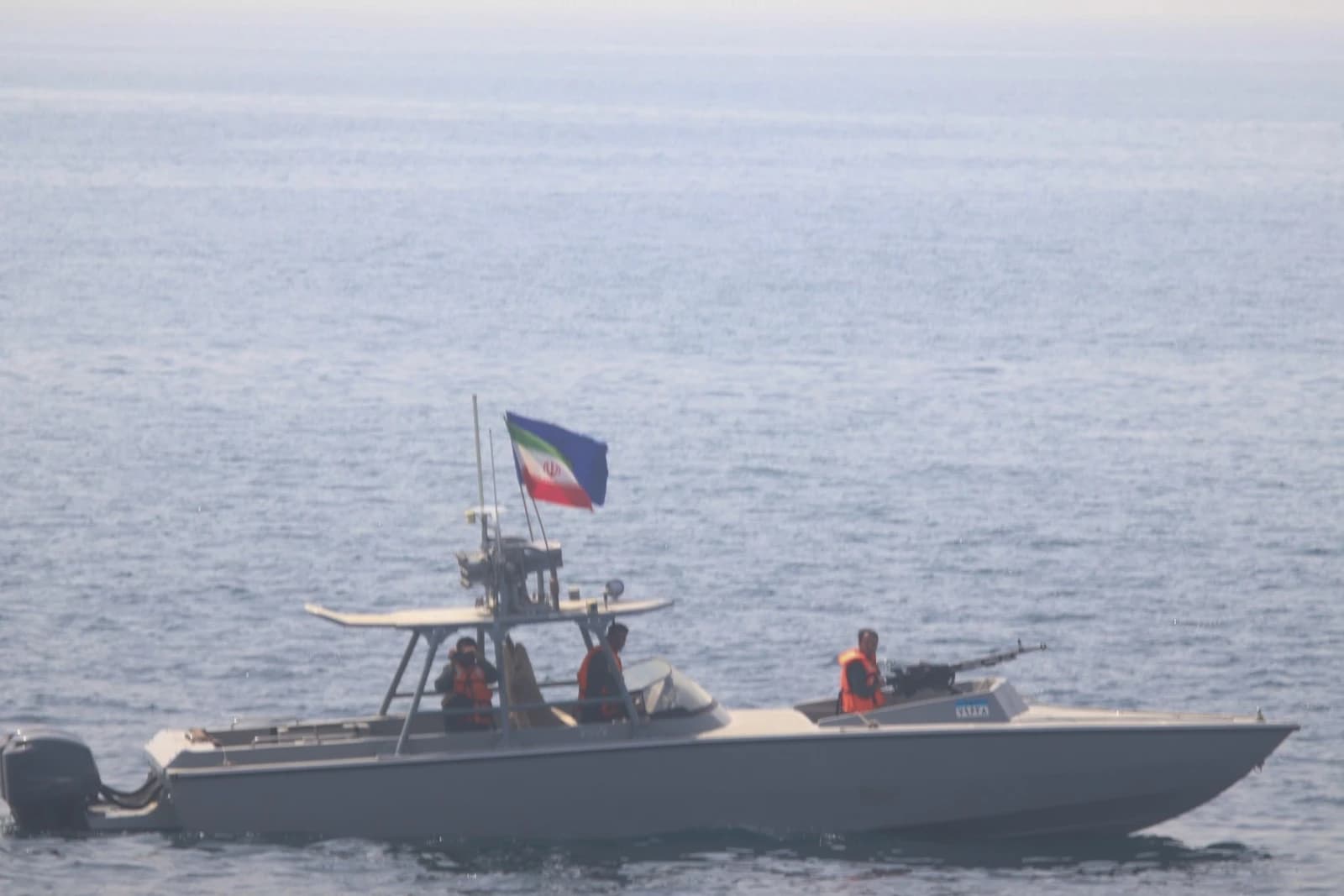
The US is drawing a sharper line between China and Iran over attacks on shipping, and investors are treating the widening Gulf conflict as a potential earnings tailwind for shipping companies with exposure to disrupted trade routes.
The immediate significance is not diplomatic phrasing but market pricing. When US Vice President says China is being “more responsible” than Iran amid attacks on vessels, the message is that Washington sees room to keep trade moving while isolating Tehran. That matters for the world economy because the Strait of Hormuz remains one of the most strategically sensitive chokepoints for oil and cargo flows, and even limited violence can lift freight costs, insurance premiums and risk discounts across maritime assets.
The latest US strikes on two Iranian oil tankers on Sept. 1 marked the first direct targeting of Iranian vessels in retaliation for attacks on ships transiting the strait, according to the news context. US escorts and missile interceptions have helped keep oil flow near pre-conflict levels of about 15 million barrels a day, but the operating environment remains fragile. In that setting, the difference between a contained confrontation and a broader escalation can quickly show up in charter rates, vessel utilization and bunker-adjusted margins.
Shipping stocks have already reflected that tension. ZIM Integrated Shipping Services, GSL and Safe Bulkers have all climbed sharply in recent sessions, with the names sitting well above their 50-day moving averages. ZIM closed at $28.02 on Sept. 2, compared with a 50-day average of $25.90 and a 200-day average of $24.21. GSL ended at $45.13, above its 50-day average of $41.45 and 200-day average of $37.60. Safe Bulkers finished at $31.82, versus a 50-day average of $27.19 and 200-day average of $23.27. In technical terms, all three remain in strong uptrends, though RSI readings near or above 75 on GSL and SBLK suggest the market is already pricing in a good deal of the geopolitical premium.
The bull case for shipowners is straightforward: tighter routes and higher perceived risk tend to support spot freight rates, especially for operators able to redeploy capacity quickly or exploit regional bottlenecks. Black Sea and Gulf risk can also lift voyage costs, insurance expenses and the value of secure tonnage. For tanker and dry-bulk names, even the threat of delays can improve bargaining power with charterers and reduce available effective supply.
The bear case is that geopolitical spikes often fade before fundamentals do. If the US naval presence continues to keep traffic flowing, the market may be left with only a temporary risk premium rather than a sustained increase in cargo demand. That would make the recent share-price strength vulnerable, particularly in names such as ZIM that have historically traded with high beta to freight swings and sentiment. Adalytica’s US-China Relations Sentiment gauge is in extreme-greed territory, suggesting investors are already leaning toward a favorable trade and shipping backdrop.
For now, the key investor question is whether the latest escalation stays localized around maritime routes or spills into a wider disruption that would force rerouting, delayed deliveries and higher global transport costs. If attacks remain contained, shipping shares may give back part of the move. If the Strait of Hormuz remains a live threat, the sector’s recent rally could extend as freight markets price in a longer period of elevated geopolitical risk.
| Entity | Gains | Losses |
|---|---|---|
| Tanker and shipping operators | ▲Higher freight and risk premiums | ▼Volatility if tensions ease |
| Iran | ▲Tactical leverage, disruption value | ▼US retaliation, isolation |
| US and Gulf allies | ▲Smoother trade flow, deterrence | ▼Higher military burden |
| Importers and insurers | ▲Better route security | ▼Higher transport and insurance costs |