Shopify Social Commerce Revenue and Stock Pullback

Shopify is emerging as one of the clearest beneficiaries of the shift from traditional browsing to commerce embedded in short videos and livestreams, a channel mix that is reshaping how merchants acquire customers and where transaction fees flow.
The appeal is economic as much as technological. Sales driven by creator content tend to compress the distance between discovery and checkout, which can lift conversion rates, lower customer acquisition costs and make every marketing dollar work harder. For merchants, that can mean better unit economics; for platforms like Shopify, it expands merchant solutions revenue by tying more sales activity to the platform rather than to fixed storefront software alone.
That matters because Shopify’s growth is increasingly dependent on merchant success, not just subscriptions. In its latest filing, merchant solutions revenue rose 38% to $5.2 billion in the first half of 2026, far outpacing the subscription line, which accounted for just 23% of total revenue. That mix reinforces the thesis that Shopify is no longer simply selling storefront tools — it is taking a cut of commerce as it becomes more distributed across social feeds, creator networks and live shopping events.
The stock has also been trading like a company tied to that transition. Shopify shares were last at $133.60, below the 50-day moving average of $135.42 and well under the 200-day average of $130.88 after a volatile stretch that saw the stock drop from an August peak near $158.53. The recent pullback, along with a relative strength index of 36.2, suggests investors have cooled on the near-term momentum even as the broader social-commerce narrative remains intact.
That disconnect matters. Bulls argue that if short-form video and livestream commerce keep taking share, Shopify can capture more payment, fulfillment and merchant-service revenue from each transaction, supporting a higher long-term take-rate profile. Bears counter that the shift could simply intensify competition with larger ecosystems, especially Amazon and social platforms that control traffic, making merchant acquisition more expensive and margins harder to defend.
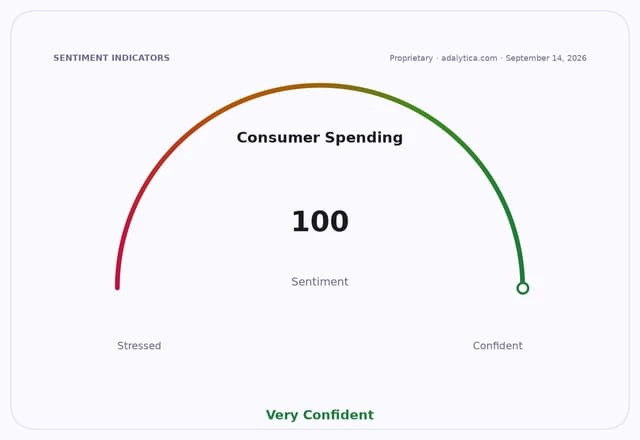
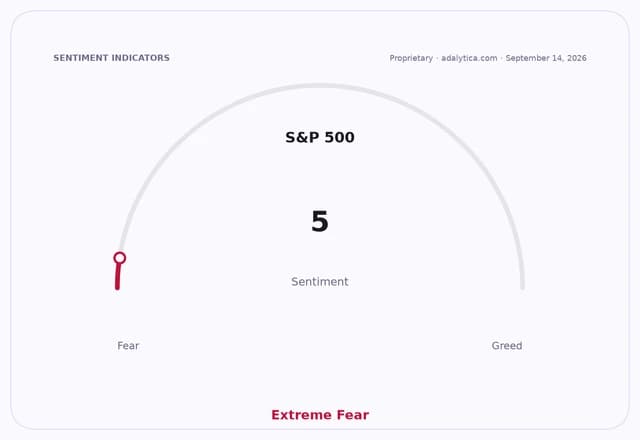
The macro backdrop is mixed but supportive for the channel. Consumer-spending sentiment remains elevated in Adalytica’s data, while broad market sentiment on the S&P 500 is in extreme fear, a combination that often favors companies with visible usage trends but punishes richly valued growth names on any sign of deceleration.
For investors, the key question is not whether social commerce is real, but how much of that flow Shopify can keep as the channel matures. If livestream and short-video selling continue to convert better than traditional ecommerce, the company’s merchant solutions engine should keep expanding. If the trend stalls or gets captured by larger closed platforms, Shopify’s growth premium will be harder to justify.
| Entity | Gains | Losses |
|---|---|---|
| Shopify merchants | ▲Higher conversion rates | ▼Dependence on platform fees |
| Shopify | ▲More merchant solutions revenue | ▼Greater competition for traffic |
| Social-commerce platforms | ▲More transaction volume | ▼Lower merchant loyalty |
| Traditional ecommerce channels | ▲— | ▼Share shift to content-led sales |