Silver Pullback Creates New Entry Point
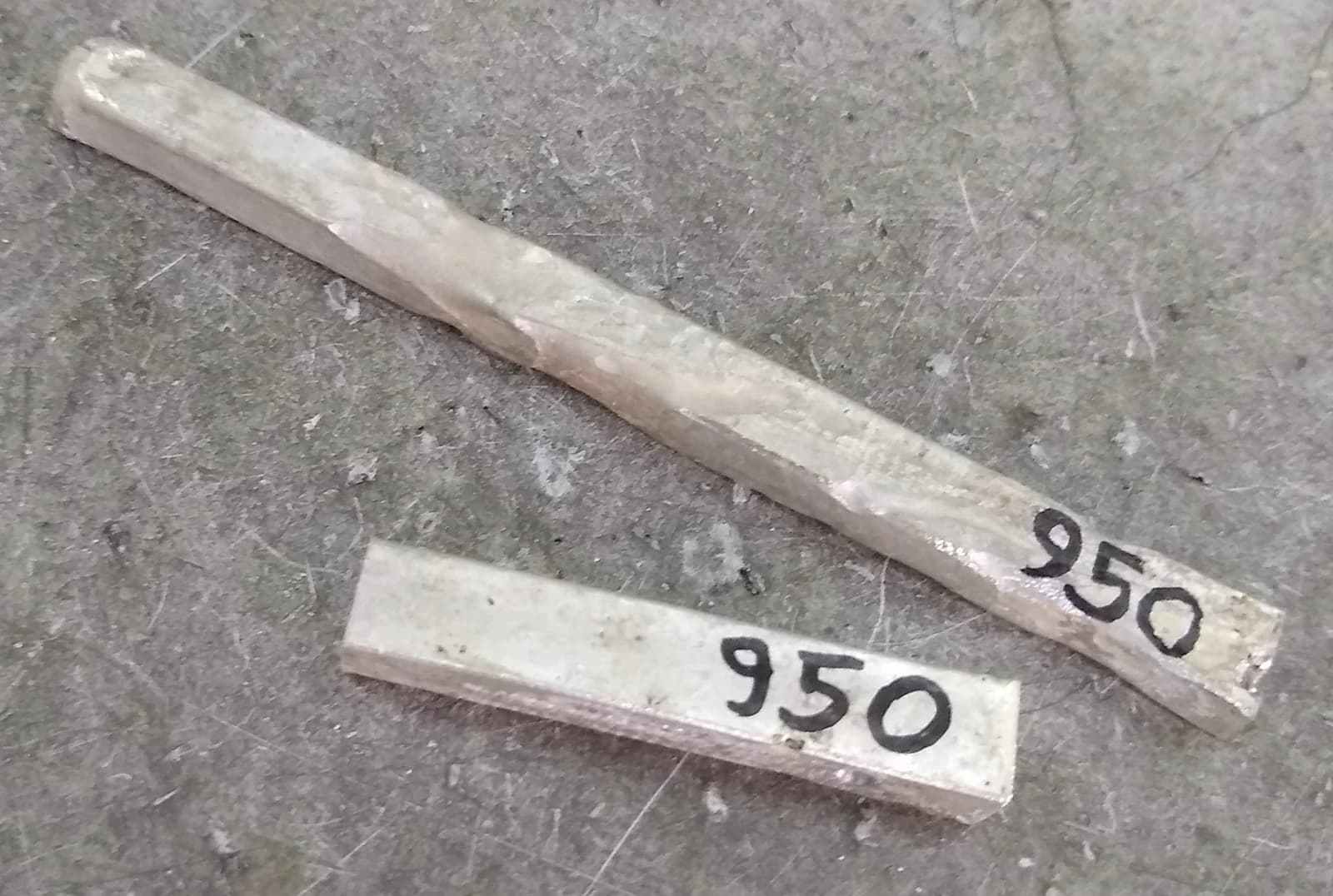
Silver’s violent pullback from this year’s highs is giving buyers a rare entry point, but it is also exposing how crowded the trade became after a powerful run-up in precious metals.
The iShares Silver Trust, a widely watched proxy for silver prices, closed at 58.12 on Sept. 11 after trading as high as 84.99 in late February and 81.02 in mid-January. That kind of swing matters because silver is not just a festival-season consumer metal; it is a monetary asset, an industrial input and, increasingly, a macro hedge that traders use when they expect lower real rates or a weaker dollar. When those expectations unwind, silver can fall fast.
The recent move lower looks less like a collapse in the long-term bull case and more like a reset after an overextended advance. SLV’s 50-day moving average is still far above its longer-term levels, but momentum has rolled over sharply: RSI readings have dropped into the mid-30s, and MACD has slipped below its signal line. In plain English, the market has gone from stretched to washed out in a matter of weeks. For patient investors, that is often where the next leg starts.
The selloff is also a reminder that silver tends to exaggerate every macro turn. It rallies harder than gold when inflation fears, currency weakness or speculative flows dominate, and it can unwind just as abruptly when the U.S. dollar firms or risk appetite shifts. Adalytica’s Gold Fear & Greed Index is still sitting in extreme fear territory, while U.S. dollar trade signals remain in greed territory, a mix that says precious metals are being squeezed by a stronger greenback even as safe-haven demand has not disappeared.
That sets up a compelling asymmetry. Buyers get relief from lower prices, while sellers are forced to confront the possibility that the larger secular story is unchanged: central-bank buying, persistent geopolitical risk, and industrial demand tied to solar, electronics and electrification still support the metal over a multi-year horizon. If the dollar weakens again or the Federal Reserve moves toward easier policy, silver could reprice quickly because positioning has already been cleaned out.
The investable takeaway is straightforward: this looks more like a corrective phase than the end of the silver cycle. For investors who missed the vertical move, the pullback improves the risk-reward in the metal itself and in the companies that produce it. The highest-beta way to play a rebound remains silver miners and royalty names, which historically outperform when bullion regains momentum. Long-term buyers should treat weakness as a chance to build exposure in tranches, not chase the next spike.
| Entity | Gains | Losses |
|---|---|---|
| Silver buyers | ▲Lower entry prices | ▼Near-term momentum traders |
| Silver miners | ▲Rebound leverage | ▼Late longs from the rally |
| Industrial users | ▲Cheaper input costs | ▼Bullion bulls |
| U.S. dollar | ▲Relative strength | ▼Precious-metal prices |