Silver Rally Cools as Volatility Rises
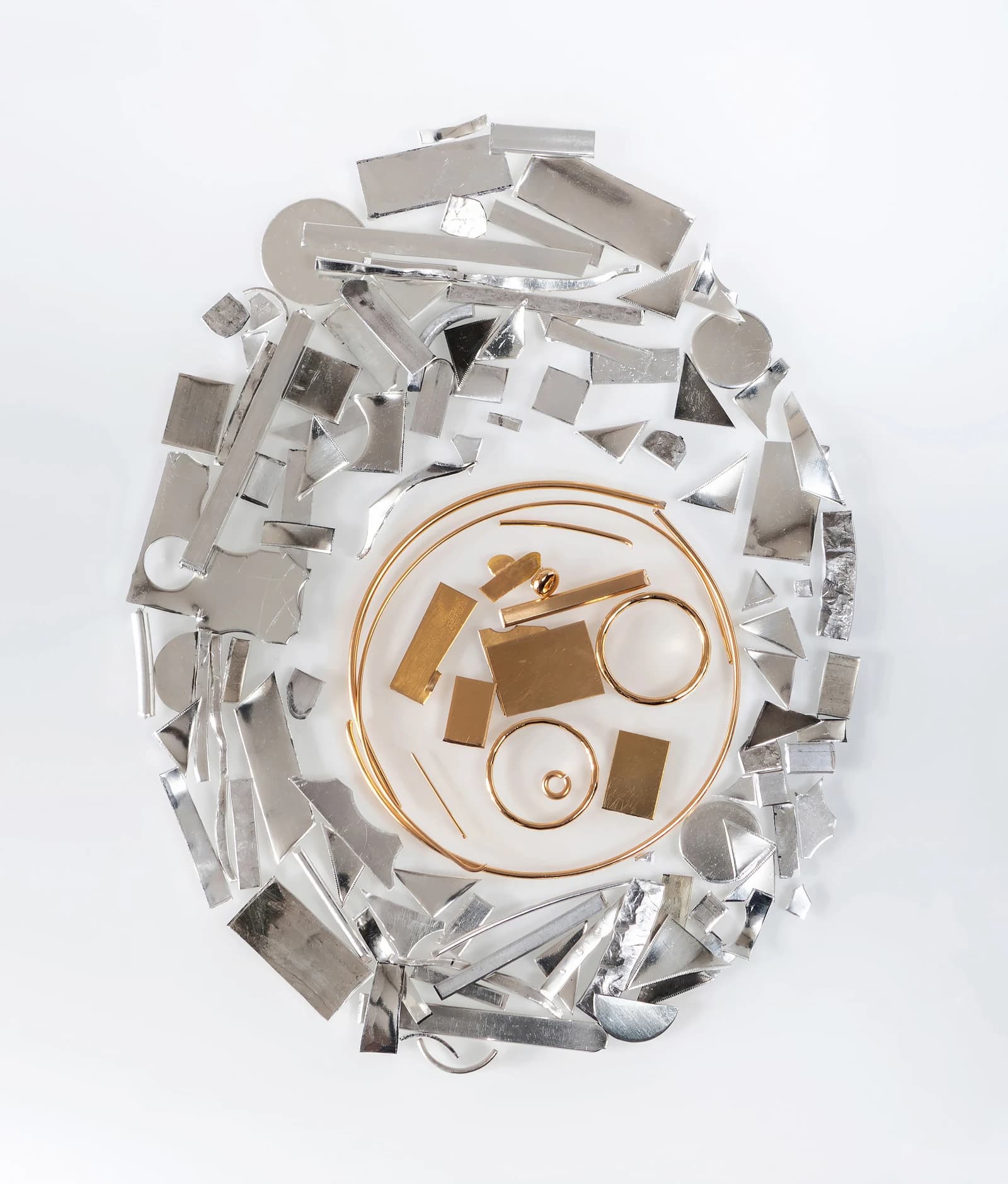
Silver finished the latest session at $60.17 an ounce, a reminder that the metal’s blistering rally has entered a more fragile phase even as the broader precious-metals trade remains elevated.
That matters because silver is not just a store of value; it is also an industrial input tied to electronics, solar panels and other growth industries. When silver corrects sharply after a powerful run, it changes the math for miners, ETF holders and long-term buyers alike. For investors, the key question is not whether silver remains in a secular uptrend, but whether the recent pullback is a healthy pause or the start of a deeper reset.
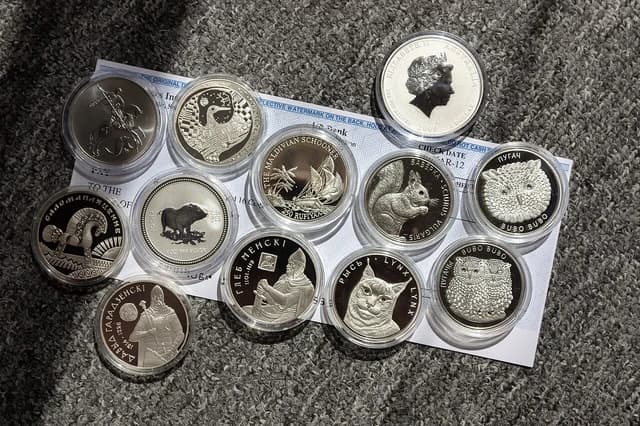
The week’s price action points to a market trying to digest a very fast move. SLV, the silver ETF, closed at $53.95 on July 10 after briefly trading as high as $84.99 in late February, showing how violently sentiment has swung. The fund is still above its 50-day and 200-day moving averages, but its RSI reading of 34.6 suggests the rally has cooled from overbought levels. That is the kind of setup long-term investors often watch closely: not euphoric, but not broken either.
Gold has also been volatile, with GLD ending at $377.01 on July 10, below its 200-day moving average of $410.86, even though the Adalytica Gold Fear & Greed Index still shows greed at 74.0. In other words, gold is no longer acting like a panic trade, yet investor attention remains intense. Silver tends to exaggerate whatever gold does, so a softer gold tape can quickly feed through to silver.
The bigger economic backdrop is still supportive for precious metals. U.S. 10-year Treasury yields are forecast around 4.578%, close to recent levels, which keeps real-rate expectations and monetary policy uncertainty in the foreground. That can help hard assets over time, especially if investors begin to question how much further policy can stay restrictive. But it also means gold and silver are competing with attractive cash yields, which can limit near-term upside.
For silver investors, volatility cuts both ways. Higher prices can lift miners’ margins and improve the economics of silver-backed products, but sharp reversals can punish late buyers and traders who chased momentum. For jewelry buyers and industrial users, any weakness is a gift: lower input costs can support demand and protect margins.
The long-term case for silver still rests on scarcity, industrial demand and its role as a monetary hedge. But this is a market that rewards patience, not urgency. If you are building wealth over years, not days, silver belongs on the watchlist rather than in the category of “must buy today.” A disciplined investor will treat pullbacks as opportunities, but only as part of a diversified portfolio.
| Entity | Gains | Losses |
|---|---|---|
| Jewelry buyers | ▲Lower input costs | ▼None immediately |
| Industrial users | ▲Cheaper raw material | ▼Potential supply tightness later |
| Silver bulls | ▲Better entry points | ▼Near-term price momentum |
| ETF holders/short-term traders | ▲Potential rebound setups | ▼Mark-to-market losses |