Silver’s surge is not just a momentum trade anymore — UBS has now put a timeline on a move to $80 an ounce, arguing that the metal’s mix of safe-haven appeal, industrial demand and constrained supply could keep the rally alive for years.
Silver rises on UBS $80 target by 2027
The Swiss bank said silver, which traded at $66.50 an ounce on Sept. 18, could reach $70 by December 2026, $75 by March and June 2027, and $80 by September 2027. That is a big call for a metal that is often treated as gold’s faster-moving cousin, but the bank’s logic matters: higher gold prices, persistent fiscal anxiety and doubts about the long-term path of the US dollar are drawing investors into precious metals, while silver is also getting a demand lift from the buildout of data centers, AI infrastructure, power grids and electric vehicles.
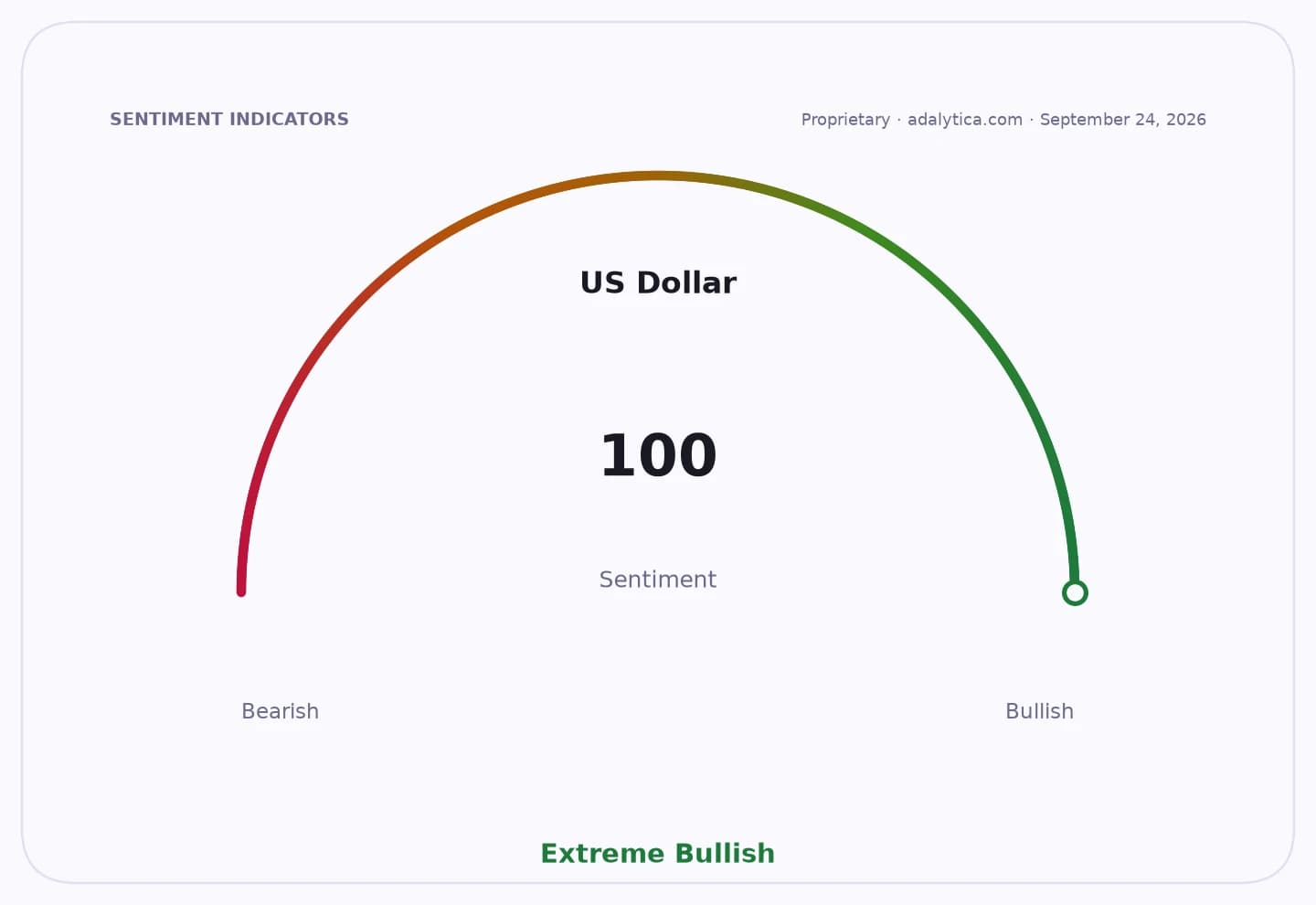
Sentiment IndicatorsⓘProprietary · adalytica.com · September 26, 2026
This is a snapshot — live sentiment, awareness and momentum for 130+ markets update continuously in the dashboard.Open AlphaPulse
That combination is economically important because silver sits at the intersection of financial hedging and industrial expansion. When investors chase it as a monetary asset, prices can accelerate quickly; when manufacturers need it for solar, electronics and electrification, the market gets another layer of support. UBS strategist Dominic Schnider said silver has been trading as “a version of gold with higher volatility,” and that the gold-silver correlation is near the highest levels seen in recent years. In other words, the market is no longer pricing silver just as an industrial metal — it is pricing it as a macro asset with growth optionality.
That is why the rally matters to investors. A move toward $80 would have direct implications for silver miners, royalty companies and leveraged ETFs, while also raising input costs for solar and industrial users that have already been trying to reduce silver content. Pan American Silver, Hecla Mining and other producers stand to benefit from higher realized prices, especially because much of global silver supply comes as a by-product of lead, zinc, copper and gold mining, making output hard to ramp quickly. UBS is effectively arguing that supply cannot respond fast enough to blunt demand.
The market also has to contend with policy risk. A more hawkish Federal Reserve or fresh rate hikes would pressure silver in the short term, and UBS did not dismiss the possibility of a broader growth slowdown or a sharper-than-expected drop in industrial demand. But the bank’s central view is that the risk balance still points higher over the medium term, especially if real yields stay contained and fiscal unease keeps steering capital into hard assets.
Technical positioning is also consistent with a crowded but still constructive setup. The iShares Silver Trust, SLV, has spent the past year violently repricing, with its 50-day moving average holding above the 200-day moving average, while the metal’s ETF proxies have posted extreme swings in RSI readings and Bollinger Band width that underline how fast momentum can build when the trade catches fire. That is exactly the kind of environment where UBS’s call can become self-fulfilling if institutional flows pile in on dips.
For investors, the message is simple: silver is no longer just a late-cycle hedge, it is becoming a secular beneficiary of AI capex, electrification and monetary distrust. The cleanest way to play the theme is to buy weakness in silver exposure rather than chase vertical spikes, with the largest upside likely in miners and leveraged vehicles if UBS’s $80 target starts to look conservative. This is the kind of market where patience, not panic buying, can create the best entry.
| Entity | Gains | Losses |
|---|---|---|
| Silver bulls | ▲Higher price targets | ▼Volatility risk |
| Silver miners | ▲Stronger realized prices | ▼Higher operating leverage if reversed |
| Solar manufacturers | ▲None | ▼Higher input costs |
| AI/grid/EV supply chain | ▲Secular demand tailwind | ▼Tighter metal availability |