Singapore private-home sales slump in August
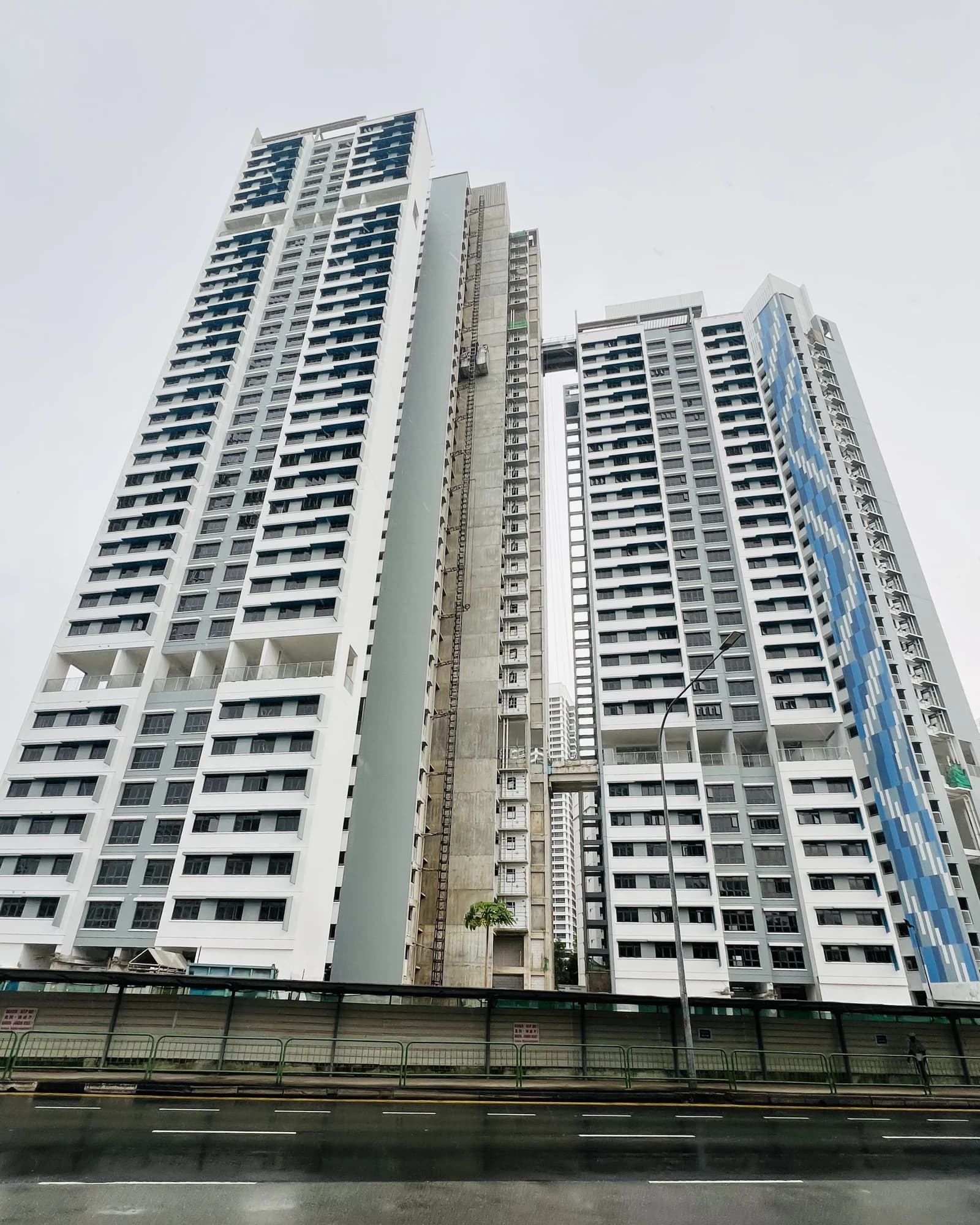
New private-home sales in Singapore slumped to their weakest pace in more than two years in August, but the drop looks more like a timing pause than a collapse in demand.
Developers sold just 153 private homes, excluding executive condominiums, down 79.1% from July and 92.9% below a year earlier, as they withheld major launches during the Lunar seventh month and only 116 units were released for sale. The market was also subdued by the Hungry Ghost Month, traditionally a quiet period for big-ticket purchases.
That matters because Singapore’s housing market is not being driven by a broad demand shock — it is being governed by supply cadence, pricing discipline and buyer selectivity. For investors, that keeps the focus on developers with the best launch pipelines and on the wider property complex, where transaction volatility can create opportunity in the strongest brands while punishing weaker near-term comparables.
August’s 153 sales were the lowest since February 2024 and came after July’s launch-heavy rebound, when developers sold 731 units excluding ECs. The contrast was stark: July had 889 units released for sale, while August saw only one later sales phase at Union Square Residences and no brand-new project launch in the Core Central Region, Rest of Central Region or Outside Central Region.
The message is important for capital allocation. In Singapore, private-home sales can swing sharply from month to month depending on launch timing, but the underlying market is still being tested by affordability, unit mix and perceived value. The fact that sales at projects without a new release still slipped by about one-third from July suggests momentum softened beyond the simple absence of launches.
The market also showed a clear tilt toward smaller, lower-ticket purchases. At Dunearn House, nearly 78% of August sales were priced below S$2.5 million, up from 42.6% in July, and the median unit size sold shrank from 872 square feet to 635 square feet. That is a useful signal for investors: in a slower tape, buyers are still active, but they are trading down to more accessible price points and tighter unit sizes.
Foreign demand remained nearly absent, with non-permanent-resident buyers accounting for less than 1% of sales — the lowest monthly number of foreign-buyer purchases since 1995 based on lodged caveats. That keeps Singapore’s private-home market overwhelmingly domestic, reducing one source of volatility but also underscoring how dependent the sector is on local wealth, local rates and local confidence.
The next real test comes in the second half of September, when developers begin restocking the market. Projects such as Amberwood at Holland and Lucerne Grand in Lakeside should give buyers far more choice after a quiet August, and more than 2,000 private homes could be launched over the rest of 2026. If that supply is met with steady absorption, August will look like a seasonal air pocket. If not, it will suggest buyer resistance is building beneath the surface.
For investors, the playbook is straightforward: watch launch pipelines, not one-month sales prints. The best-positioned developers will be those able to introduce fresh inventory into the right submarkets at the right price points, while the broader listed-property trade will remain sensitive to whether Singapore’s new-home market can convert delayed demand into actual transactions once the launch calendar reopens.
| Entity | Gains | Losses |
|---|---|---|
| Developers with upcoming launches | ▲More pricing power | ▼August was a dead month |
| Domestic buyers | ▲More choice ahead | ▼Less leverage in hot launches |
| Foreign buyers | ▲Lower competition | ▼Tiny market share |
| Singapore homebuilders | ▲Potential sales rebound | ▼Weak August comparables |