Slovakia Approves Troops for NATO Eastern Sentry
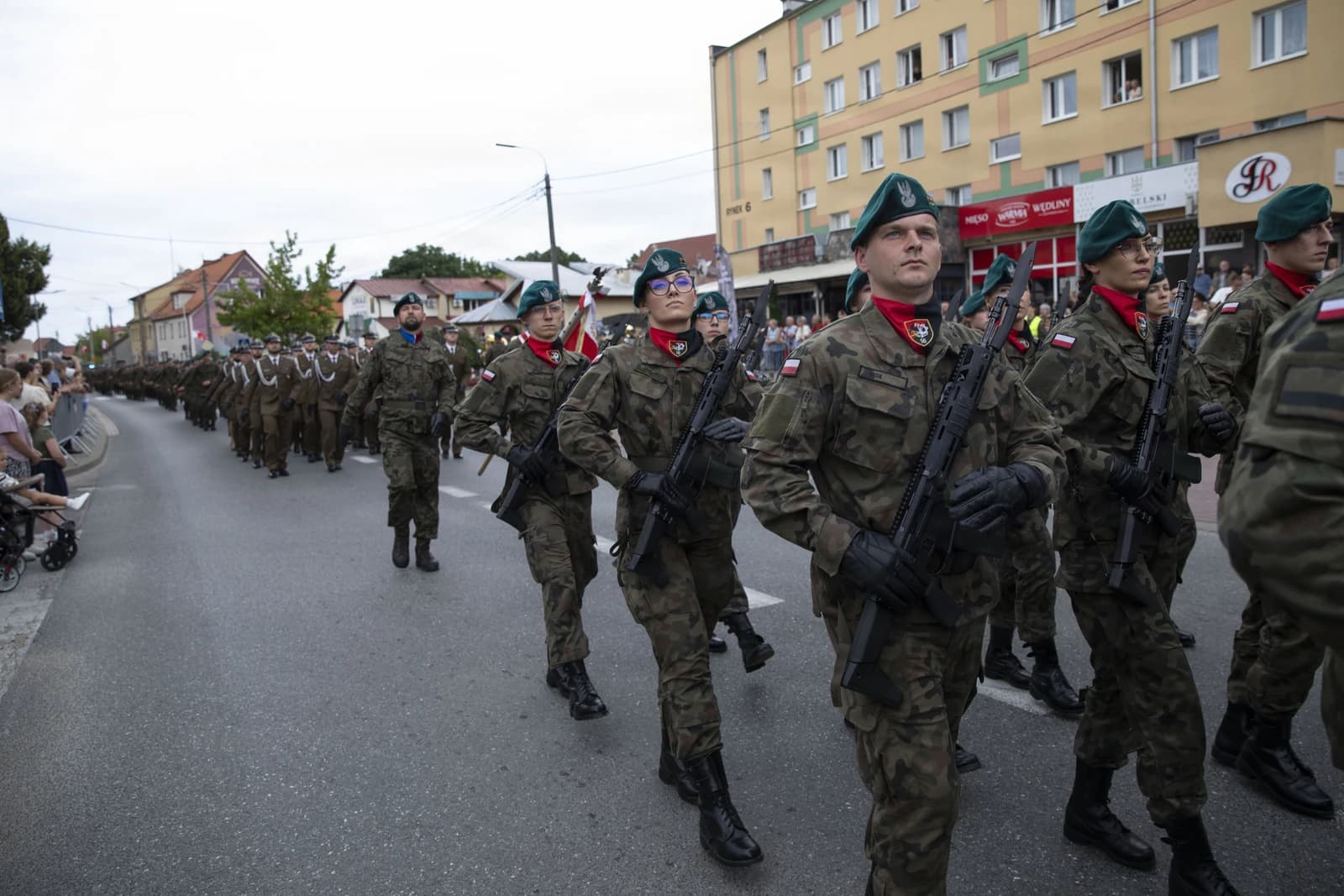
Slovakia’s parliament has approved deploying up to 101 soldiers to Poland and Romania, adding another small but symbolically important layer to NATO’s push to harden its eastern flank after a string of airspace violations and drone threats.
The move matters because the alliance is no longer treating eastern airspace as a background security issue. It is building a standing response architecture around early warning, radar sharing and air-defense coordination, and Slovakia’s contribution fits directly into that effort.
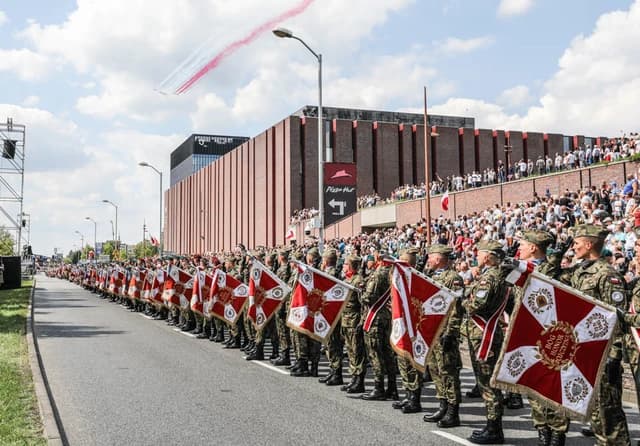
The troops will take part in NATO’s Eastern Sentry activity, which was launched on Sept. 19, 2025, in response to repeated breaches of allied airspace and has no fixed end date. Slovak personnel will mainly operate in Poland and Romania, where they will help monitor airspace, exchange radar data, support early warning and contribute to NATO’s integrated air and missile defense network, according to the Slovak defense ministry.
Defense Minister Robert Kaliňák said the mission will also let Slovakia test new 3D radars in live operations, with a particular focus on identifying drone threats. That is economically relevant because the war in Ukraine has accelerated spending on detection, surveillance and air-defense systems across Europe, benefiting contractors that supply sensors, command-and-control systems and interceptors.
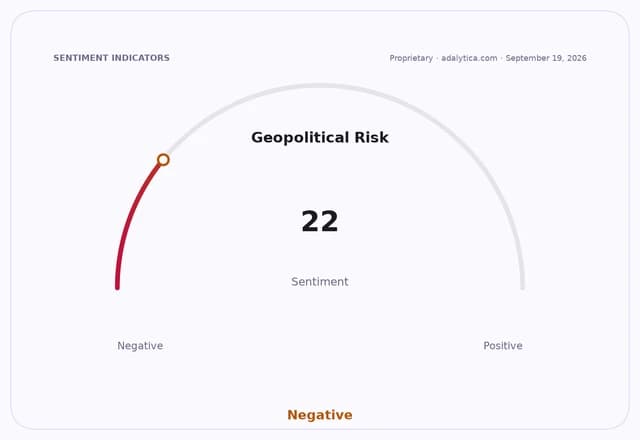
For investors, the message is that Europe’s defense cycle is still strengthening, not fading. NATO members are under pressure to raise readiness spending and close capability gaps along the border with Russia, Belarus and Ukraine, creating a longer runway for procurement across air defense, drones, radar and military communications.
The deployment also comes as Poland’s leadership warns of a “real risk” of Russian strikes on the eastern flank, adding urgency to the alliance’s posture. Germany’s plan to station 4,800 troops in Lithuania by 2027 and other regional reinforcements show the same trend: NATO is shifting from deterrence on paper to more visible force posture on the ground and in the air.
Defense shares were mixed in recent sessions, with U.S. contractors such as Lockheed Martin, Northrop Grumman and RTX trading off broader market moves rather than any direct order announcement from the Slovak decision. Still, the policy direction supports the sector’s long-term order book, especially for radar, missile defense and counter-drone systems.
The next catalyst is whether Eastern Sentry expands further or turns into a more permanent allied mission. Any fresh airspace incident, new troop rotation or procurement package tied to the eastern flank could reinforce the market case for continued defense outlays.
| Entity | Gains | Losses |
|---|---|---|
| NATO eastern flank | ▲Stronger air defense coverage | ▼Lower vulnerability to incursions |
| Slovakia’s military | ▲More allied interoperability | ▼Higher deployment burden |
| Defense contractors | ▲Potential radar and air-defense demand | ▼Fewer budget constraints for buyers |
| Russia | ▲None | ▼More NATO readiness on its border |