Small businesses face higher rates and softer demand
Only 37% of small businesses make it past five years, and the combination of still-elevated borrowing costs and a soft labor market is making survival harder for the firms that drive most U.S. hiring.
The economic backdrop is less hostile than it was during the pandemic shock, but it is still unforgiving for founders who rely on credit lines, working capital and consumer demand. The unemployment rate was 4.1% in August and is forecast to edge down to 4.02% in September, suggesting a labor market that is cooling but not collapsing — a setting that can keep spending alive while still leaving small firms to absorb higher costs.
At the same time, the 10-year Treasury yield has climbed to 4.97%, with a forecast near 5.04%, keeping benchmark financing costs near levels that squeeze business loans, commercial mortgages and credit-card borrowing. For small companies, that matters more than for large corporates: they have less pricing power, thinner cash buffers and far less access to bond markets.
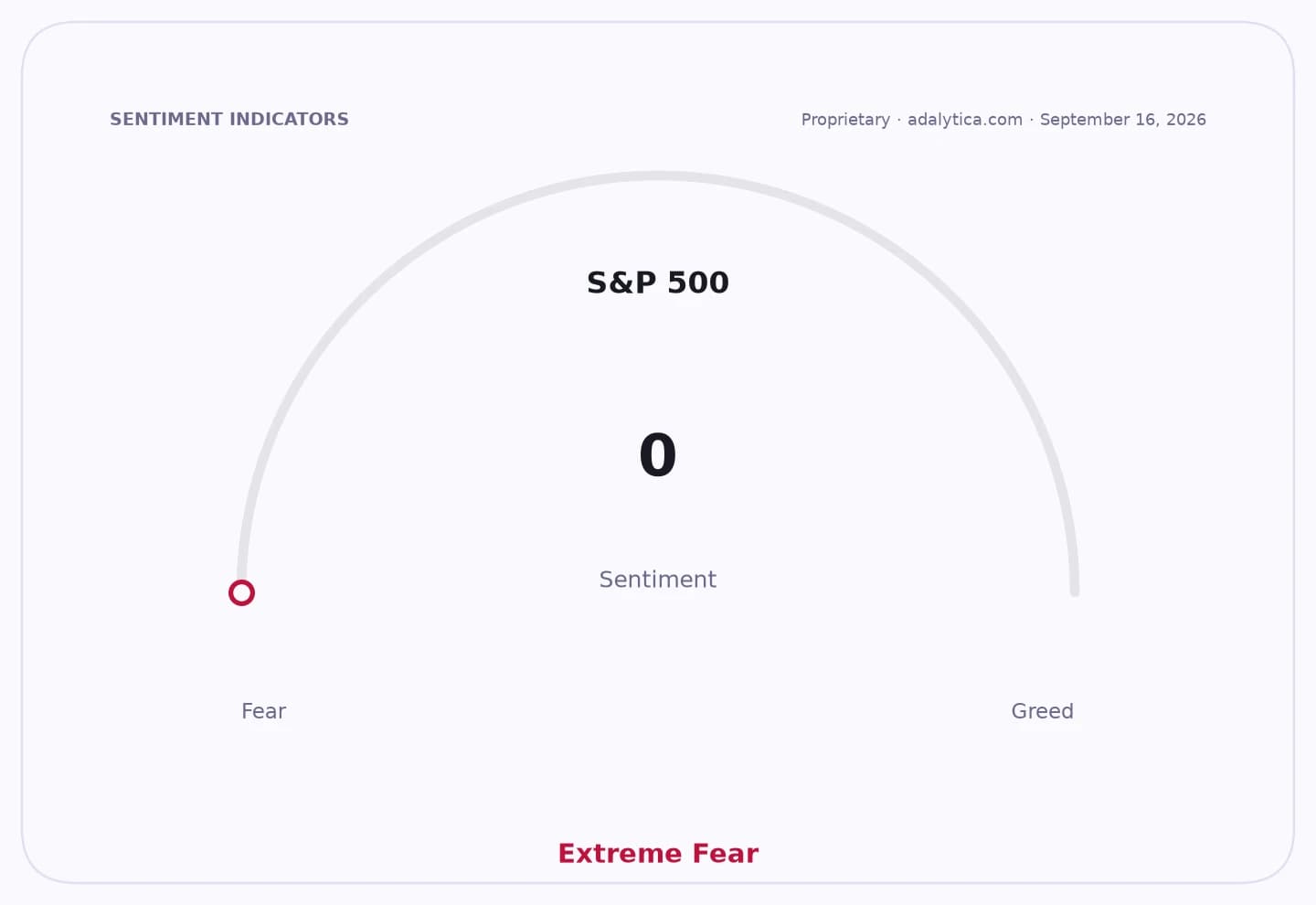
The pressure shows up in market data as well. The Russell 2000 ETF, IWM, closed at 287.91 on Sept. 14, below its 50-day moving average of 296.09 and with an RSI reading of 31.8, a conventional technical indicator that points to a weak near-term trend. Consumer discretionary shares, tracked by XLY, are also under pressure, trading at 112.85 versus a 50-day average of 115.85, a sign investors remain cautious on the spending-sensitive parts of the economy.
That weakness matters because small businesses are deeply tied to household demand. They tend to feel slower sales first when consumers cut back, and they are often the first to be hit when financing gets more expensive or customers delay purchases. The result is a higher failure rate that has ripple effects across employment, local services and private investment.
For investors, the story is less about one company and more about the earnings outlook for the small-cap ecosystem: lenders, payment processors, software providers and consumer-facing names that depend on small-business formation and retention. BILL, PayPal, Shopify and Fiverr all flag exposure to small and medium-sized businesses in their filings, making the survival rate a direct gauge of future customer growth and transaction volumes.
Policy support can help at the margin, and recent data show new business formation remains active, with registrations still running at elevated levels. But the broad message from rates, labor and market action is that starting a business is still easier than keeping one alive.
The next test is whether borrowing costs ease meaningfully and whether September labor data confirm a gradual slowdown rather than a sharper downturn.
| Entity | Gains | Losses |
|---|---|---|
| Large cash-rich incumbents | ▲Market share from weaker rivals | ▼Competition from new entrants |
| Banks and lenders | ▲Higher interest income | ▼Rising small-business credit stress |
| Small businesses | ▲Policy support and new formations | ▼Higher rates, thin margins |
| Retail and discretionary investors | ▲Potential valuation reset opportunities | ▼Slower spending and weaker earnings |