Small-cap healthcare stocks lag as biotech weakens
Small-cap U.S. healthcare stocks are losing momentum even as the broader healthcare sector stays comparatively resilient, leaving the weakest names vulnerable if the market rotation turns lower again. The gap matters because small caps tend to feel tighter financing conditions, slower growth and sharper drawdowns first when investors get cautious.
The iShares Russell 2000 ETF, which gives a read on small-cap sentiment, closed at 283.92 on Sept. 16, below its 50-day moving average of 294.83 and with an RSI of 25.6, a level that points to deeply oversold conditions. By contrast, the Health Care Select Sector SPDR Fund finished at 168.39, still above its 50-day moving average of 166.75 and 200-day average of 155.18, suggesting the sector itself is not breaking down in the same way.
That split is the backdrop for the weakest momentum grades in small-cap healthcare. Funds and stocks tied to the biotech-heavy corner of the sector, including XBI, remain more volatile: the SPDR S&P Biotech ETF ended at 156.72, just above its lower Bollinger Band of 152.2 after slipping from 163.38 in August, and its RSI at 37.6 shows the group is still fragile. For investors screening for momentum, that makes the weakest-grade names look less like bargains and more like potential value traps until buying pressure returns.
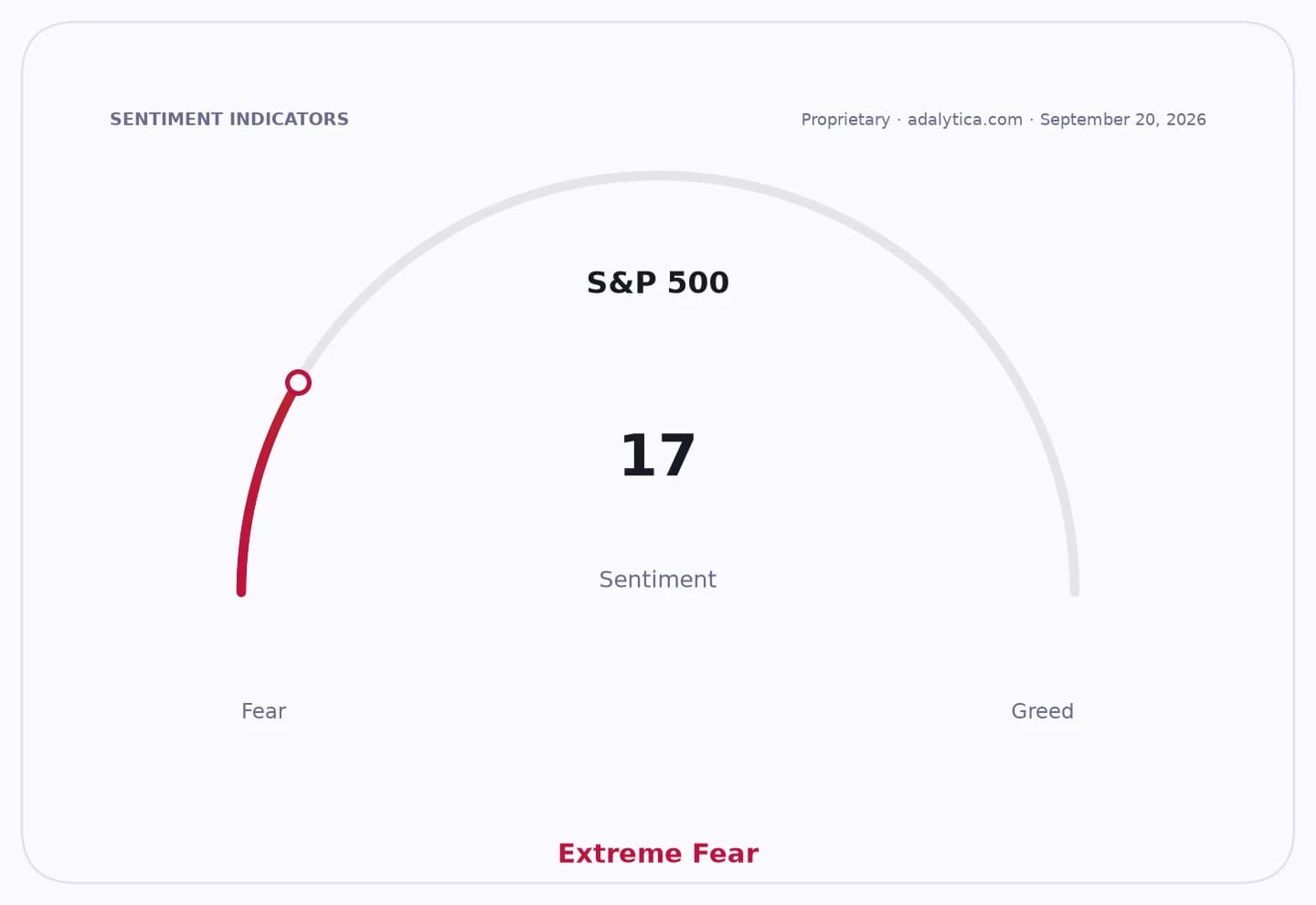
The macro picture is doing little to help. U.S. unemployment is forecast at 4.02% for September, while industrial production is projected to edge up 0.18%, a mix that does not point to a sharp recession but also does not offer an obvious growth impulse for riskier small-cap healthcare names. Adalytica’s U.S. dollar signal is flashing extreme greed, while S&P 500 trade sentiment sits in fear, a combination that often leaves speculative corners of the market under pressure.
For healthcare investors, the immediate read is straightforward: the sector remains investable, but the weakest small-cap momentum names need either a broader risk-on move or a company-specific catalyst to recover. Until then, the weakest grades are likely to stay on the screen for reasons of caution rather than opportunity.
| Entity | Gains | Losses |
|---|---|---|
| Large-cap healthcare | ▲Relative stability | ▼Less rotation upside |
| Small-cap healthcare weak momentum names | ▲Short sellers, defenders | ▼Momentum buyers |
| Biotech-heavy ETFs like XBI | ▲Select traders on volatility | ▼Long-only investors |
| Broad market risk assets | ▲Oversold bounce potential | ▼Cautious allocators |