US small-cap stocks are finally doing what many investors have spent years waiting for: outperforming the giants and reminding the market that leadership does not have to stay concentrated in big tech forever.
Small Caps Broaden Market Leadership
That rotation matters because it can signal a healthier, broader bull market. When money moves into smaller companies, investors are usually betting that growth will become more evenly distributed across the economy, not just captured by a handful of mega-cap names. For long-term investors, that kind of breadth can be powerful. It reduces reliance on one theme and opens the door to earnings-driven gains in more cyclical, domestically focused businesses.
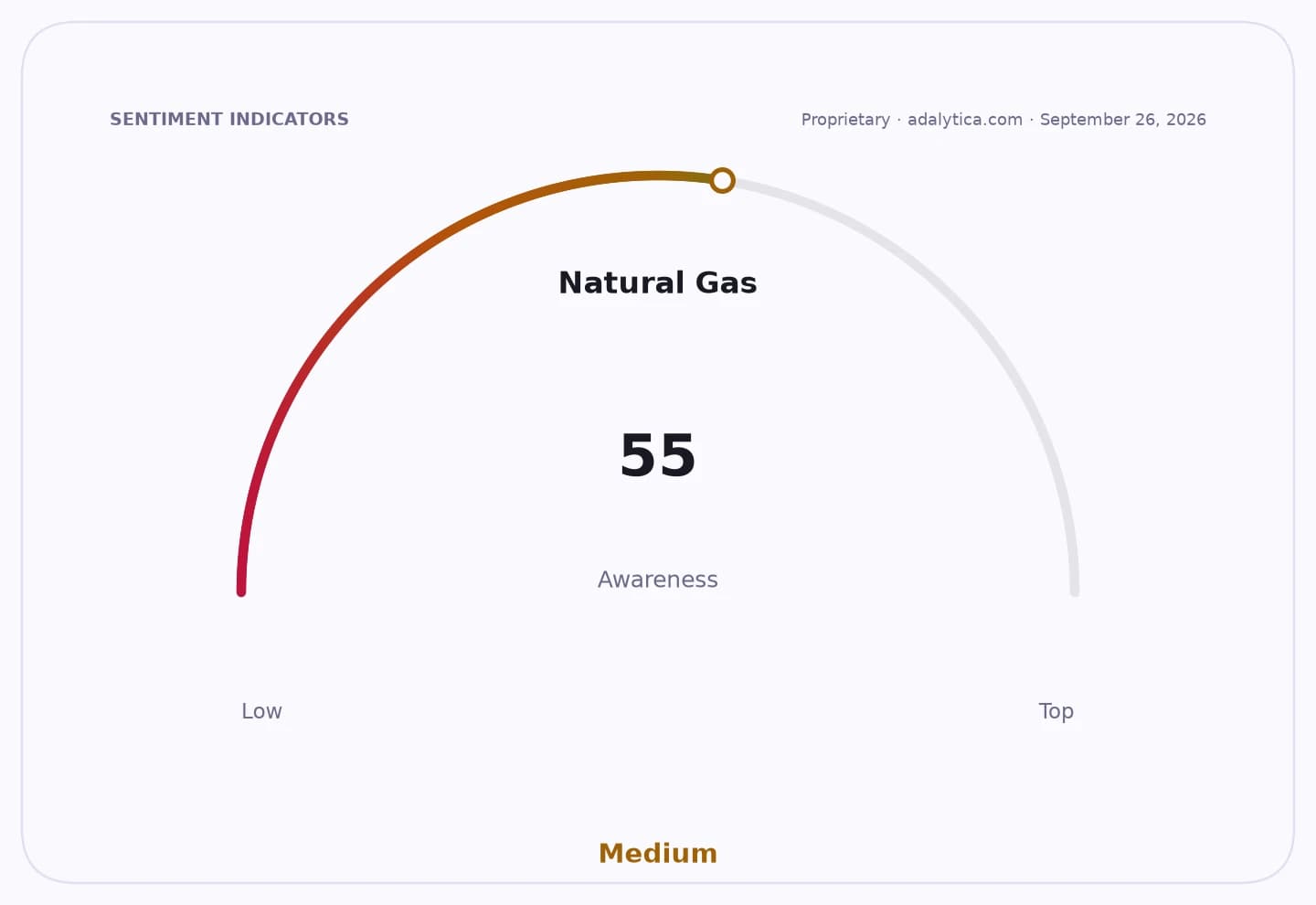
Sentiment IndicatorsⓘProprietary · adalytica.com · July 14, 2026
This is a snapshot — live sentiment, awareness and momentum for 130+ markets update continuously in the dashboard.Open AlphaPulse
The Russell 2000 ETF, IWM, has climbed to roughly 294, up sharply from around 212 last August. It is also trading well above its 50-day and 200-day moving averages, a sign that the broader uptrend remains intact even after some recent back-and-forth. The Nasdaq-100 ETF, QQQ, has also advanced, but the message from the market is clear: investors are no longer willing to put all their chips on the same handful of AI leaders.
That shift is especially notable with interest rates still elevated. The federal funds rate is sitting around 3.63%, while the 2-year Treasury yield is near 4.21% and the 10-year around 4.56%. Higher rates tend to matter more for small caps because these companies often depend more heavily on borrowing and are usually more sensitive to the domestic economy. If small caps are rallying anyway, it suggests investors see enough resilience in growth, profits and financing conditions to justify taking on more risk beyond the largest stocks.
There is also a valuation story here. Big tech may still be the most important long-term secular theme in the market, especially around AI, but that does not mean it will lead every quarter. The latest market action suggests investors are looking for the next layer of opportunity: industrials, financials, consumer names and other smaller businesses that can compound faster from a lower base. For patient investors, that can be attractive because smaller companies often have more room to grow if the economy stays stable.
Still, volatility is part of the package. IWM’s recent price action shows the fund can swing quickly, and recent technical readings have cooled from overbought levels. That is not a reason to abandon the trade; it is a reminder that small caps tend to move in bursts and can give back gains faster than large-cap benchmarks. For investors building wealth over years, not weeks, the key is not to chase one factor but to use strength in small caps as a chance to diversify.
The broader lesson is simple: market leadership changes. When investors broaden their attention beyond big tech, they are usually rewarding companies that can deliver real earnings growth, not just narrative momentum. That is exactly the kind of shift long-term investors should welcome, especially if they are building diversified portfolios with dozens of holdings rather than trying to guess the next short-term winner.
For now, small caps look worth watching, and for patient investors they may be an appealing add to the watchlist.
| Entity | Gains | Losses |
|---|---|---|
| US small caps | ▲Broader investor demand | ▼Dependence on cheap capital |
| Big tech megacaps | ▲Still retain leadership in AI | ▼Some market-share of flows |
| Domestic cyclicals | ▲Better valuation appeal | ▼If growth slows |
| Long-term diversified investors | ▲More balanced returns | ▼Less concentration benefit |