Soft CPI Eases Tax Pressure, Supports Rate-Cut Bets
June’s softer U.S. inflation reading should ease pressure on taxpayers and businesses indexed to price data, but it also keeps the broader debate over “inflation tax” and automatic bracket creep alive as governments adjust scales and collections in real time.
The Consumer Price Index fell 0.42% in June from May, while core CPI was essentially flat at -0.02%, a combination that points to a brief cooling in price momentum after a 0.47% rise in May. Economists are now looking for a 0.89% rebound in July CPI, but the June print is the one likely to feed into business-tax and withholding calculations tied to inflation.
That matters because inflation doesn’t just move the cost of living — it changes tax receipts, bracket thresholds and the effective burden on wages, profits and consumption. When prices rise quickly, governments often collect more without changing statutory rates, while households and companies are pushed into higher nominal tax buckets even if real income barely moves.
The labor backdrop is still relatively firm, with unemployment at 4.2% in June and forecast at 4.18% in July, but not tight enough to fully offset the disinflation signal. That mix suggests policymakers can argue the economy is cooling without collapsing, yet it also means tax formulas indexed to inflation may move more slowly than they did during the last inflation surge.
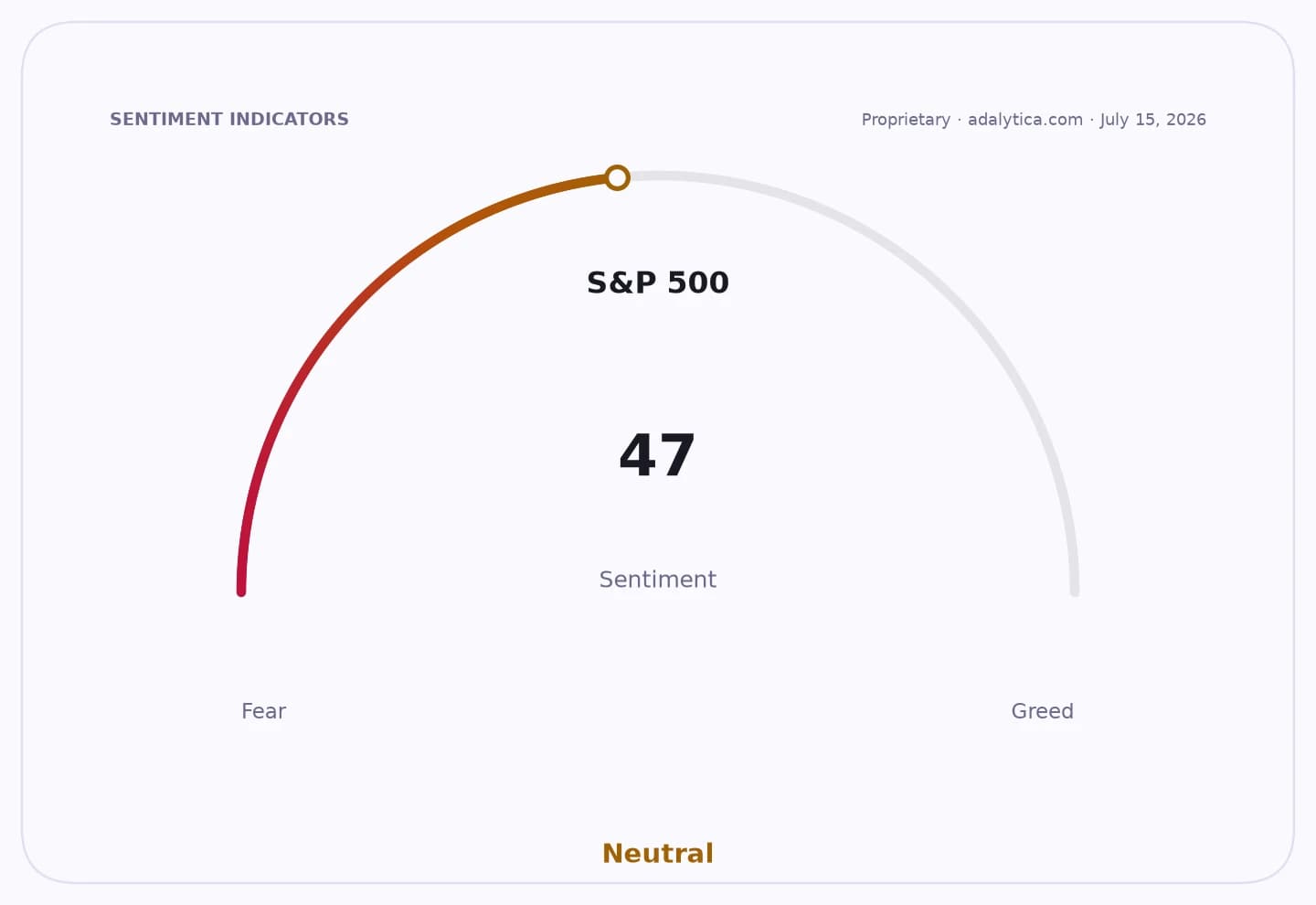
Markets are reading the inflation step-down as a Federal Reserve-friendly development. Adalytica’s CPI sentiment gauge is at 3, or “Extreme Fear,” showing how sharply expectations have swung around the inflation path, while confidence in the Fed’s 2% target remains low despite a recent uptick. For investors, that keeps Treasury yields, the dollar and rate-sensitive equities in play.
A softer inflation print also supports the kind of rally seen across global markets, where stocks bounced, the dollar weakened and gold gained as investors recalibrated the outlook for policy and real returns. That backdrop matters for businesses such as Intuit and ADP, whose tax and payroll platforms are sensitive to filing season, withholding behavior and changes in compensation structures.
The key question now is whether June marks a durable turn or just a pause before the expected July pickup. If the rebound in CPI materializes, authorities will face renewed pressure to adjust tax scales more aggressively; if not, the inflation tax eases further, and rate-cut bets could get another boost.
| Entity | Gains | Losses |
|---|---|---|
| Taxpayers | ▲slower bracket creep | ▼fewer inflation-driven hikes |
| Governments | ▲sticky nominal revenues | ▼less windfall from inflation |
| Rate-sensitive stocks | ▲lower yield pressure | ▼less certainty on cuts |
| Fed hawks | ▲stronger case for caution | ▼weaker argument for staying tight |