Solana’s push toward $150 is the cleaner, more investable story here, because it reflects whether one of crypto’s biggest real-world networks can turn renewed activity into a durable rebound.
Solana near $119 as traders eye $150

For investors, that matters more than a short-term price target. Solana is already a large, liquid asset with a deep developer base, so a move from about $119 to $150 would not just be a technical bounce — it would signal that traders are willing to pay up again for network usage, applications and token turnover. In a market that still swings between greed and caution, that kind of confirmation is what separates a tradable rally from a lasting one.
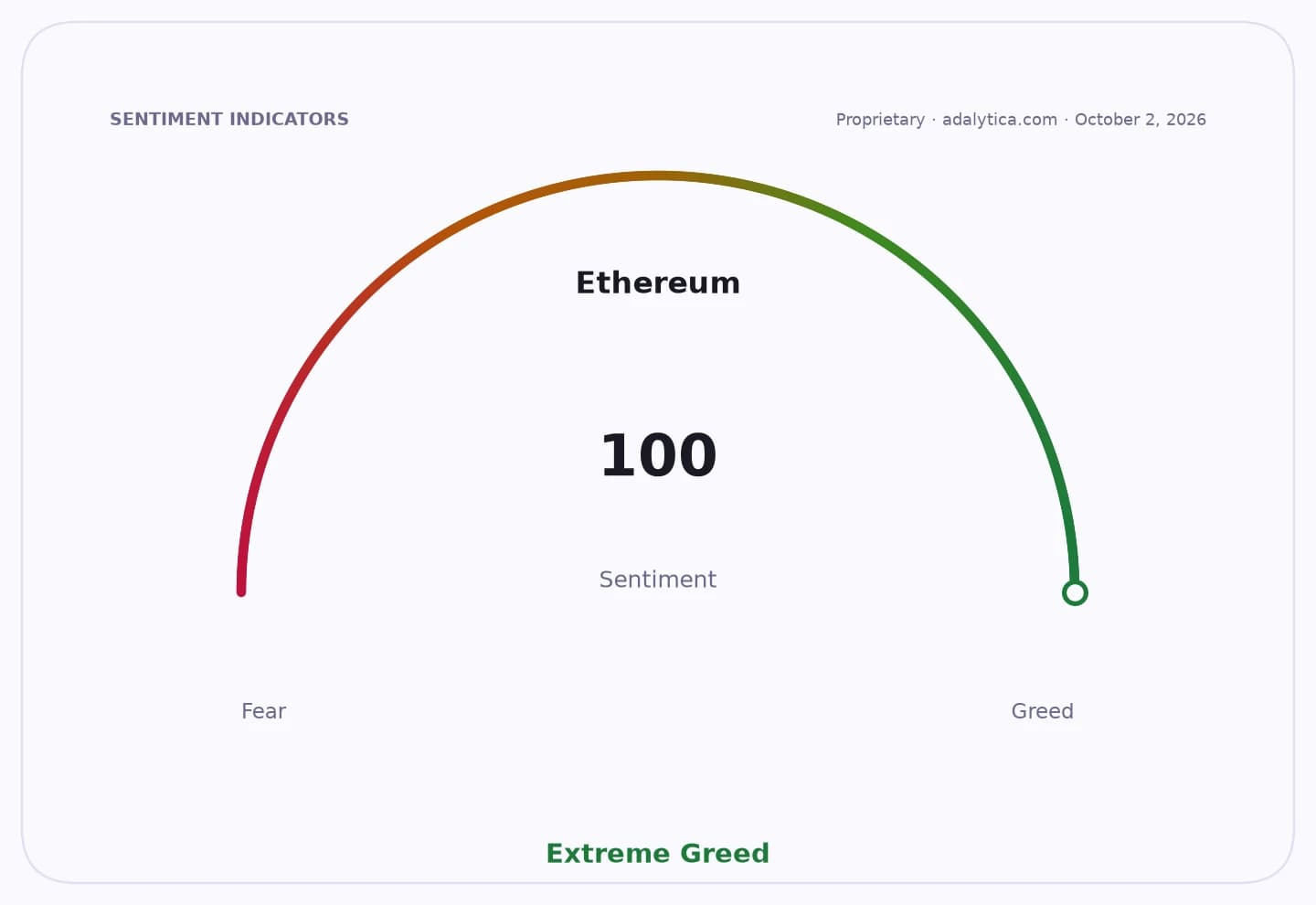
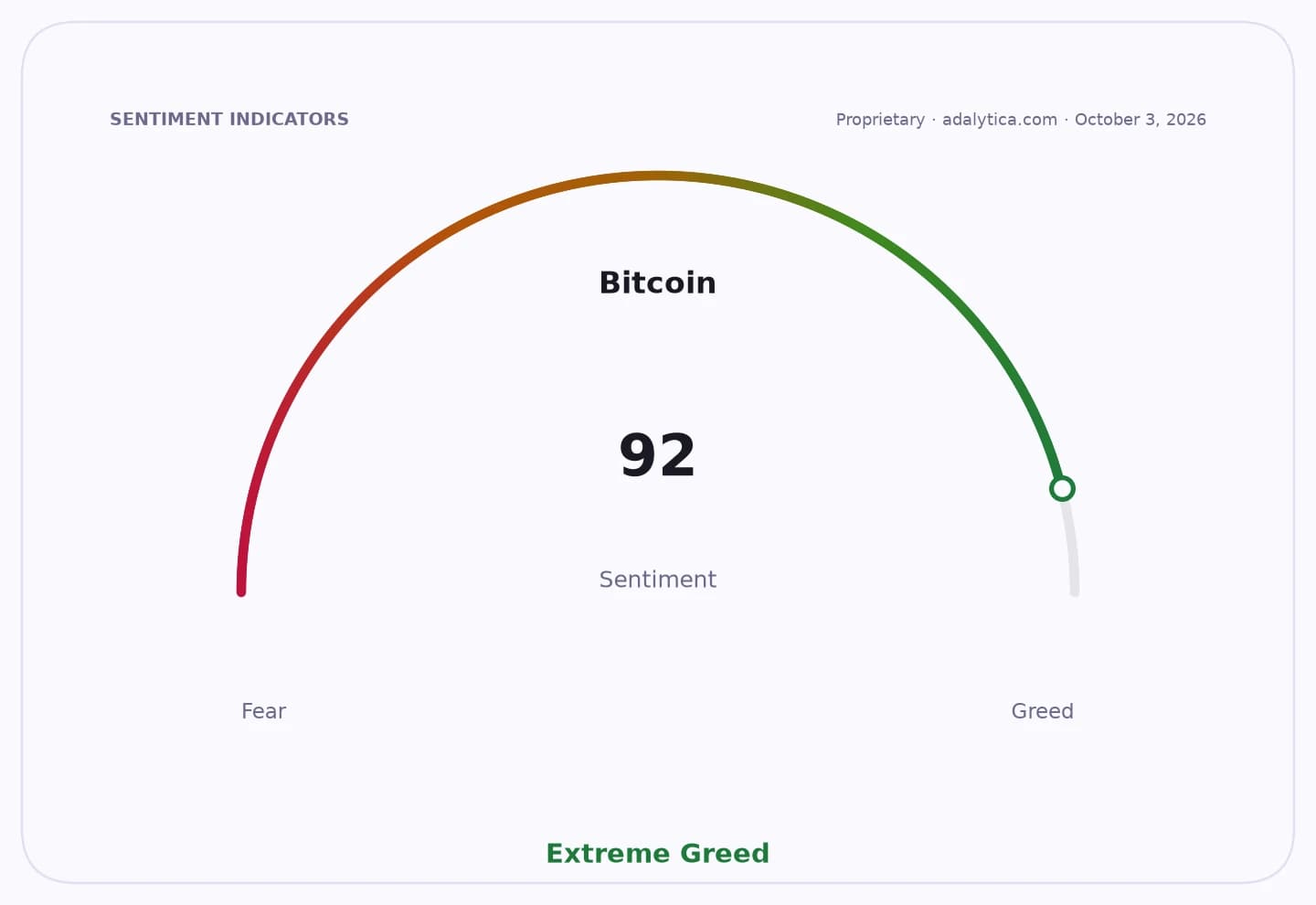
Sentiment IndicatorsⓘProprietary · adalytica.com · October 3, 2026
This is a snapshot — live sentiment, awareness and momentum for 130+ markets update continuously in the dashboard.Open AlphaPulse
The numbers show why the setup is worth watching. Solana was changing hands near $119 in the latest data, well below its recent highs and still far under the levels that would put $150 within reach. Its 50-day moving average sits above the spot price, while RSI readings are still far from overheated territory, suggesting the market has room to recover if buying momentum returns. The broader crypto tape is also supportive: Bitcoin and Ethereum remain in strong sentiment territory, which usually helps capital rotate into higher-beta names like SOL when investors feel risk appetite improving.
That makes Solana a more established way to play the next leg of crypto adoption. Unlike smaller tokens that depend on one catalyst, SOL benefits from a network investors can measure every day through applications, liquidity and trading activity. If usage keeps improving, the market has a clear foundation for a higher valuation. If it stalls, the downside is easier to see too — which is exactly why long-term investors should treat Solana as a quality crypto asset, not a lottery ticket.
Remittix is the higher-risk, earlier-stage story riding alongside it. The project has set November 24 for the planned RTX debut, with its final presale tier at $0.46 also framed as the minimum exchange launch price. It says more than $32 million has been raised toward a $36 million cap from over 40,000 participants, and Remittix Markets has already reported more than $50 million in cumulative trading volume. That is not Solana-scale liquidity, but it does show why the launch matters: a token tied to active trading and payments can sometimes build value through repeated use, not just speculation.
The pitch is straightforward. If users are willing to trade, then move funds into a bank account through the PayFi side of the product, Remittix has more than one path to grow. The company says 1,000 invited RTX holders are already testing PayFi in EUR and USD, which gives investors something concrete to monitor before launch. In crypto, that kind of early utility is often more important than a flashy debut date.
Still, investors should keep the hierarchy clear. Solana is the more important asset because it has scale, market depth and a proven ecosystem. Remittix is the speculative call option: potentially interesting if its trading and payments tools gain real traction, but far less proven. Over a three- to five-year horizon, that distinction matters a lot. Quality networks with real usage tend to compound; thinly traded presales often need almost everything to go right.
So the right way to read this story is not as a choice between one coin and another. It is a reminder that the crypto market is rewarding two very different businesses: established networks that can reclaim momentum, and new projects trying to prove they deserve a place in the ecosystem. For long-term investors, Solana belongs on the watchlist, while Remittix is worth monitoring closely rather than chasing.
| Entity | Gains | Losses |
|---|---|---|
| Solana holders | ▲Higher token price potential | ▼Bears betting on stagnation |
| Remittix presale buyers | ▲Early access to RTX launch | ▼Latecomers if traction fades |
| Crypto traders | ▲More volatility and opportunity | ▼Short sellers if risk appetite returns |
| Competing altcoins | ▲Less attention if SOL rallies | ▼Capital rotation away from weaker names |