Solar stocks split as inverter economics matter
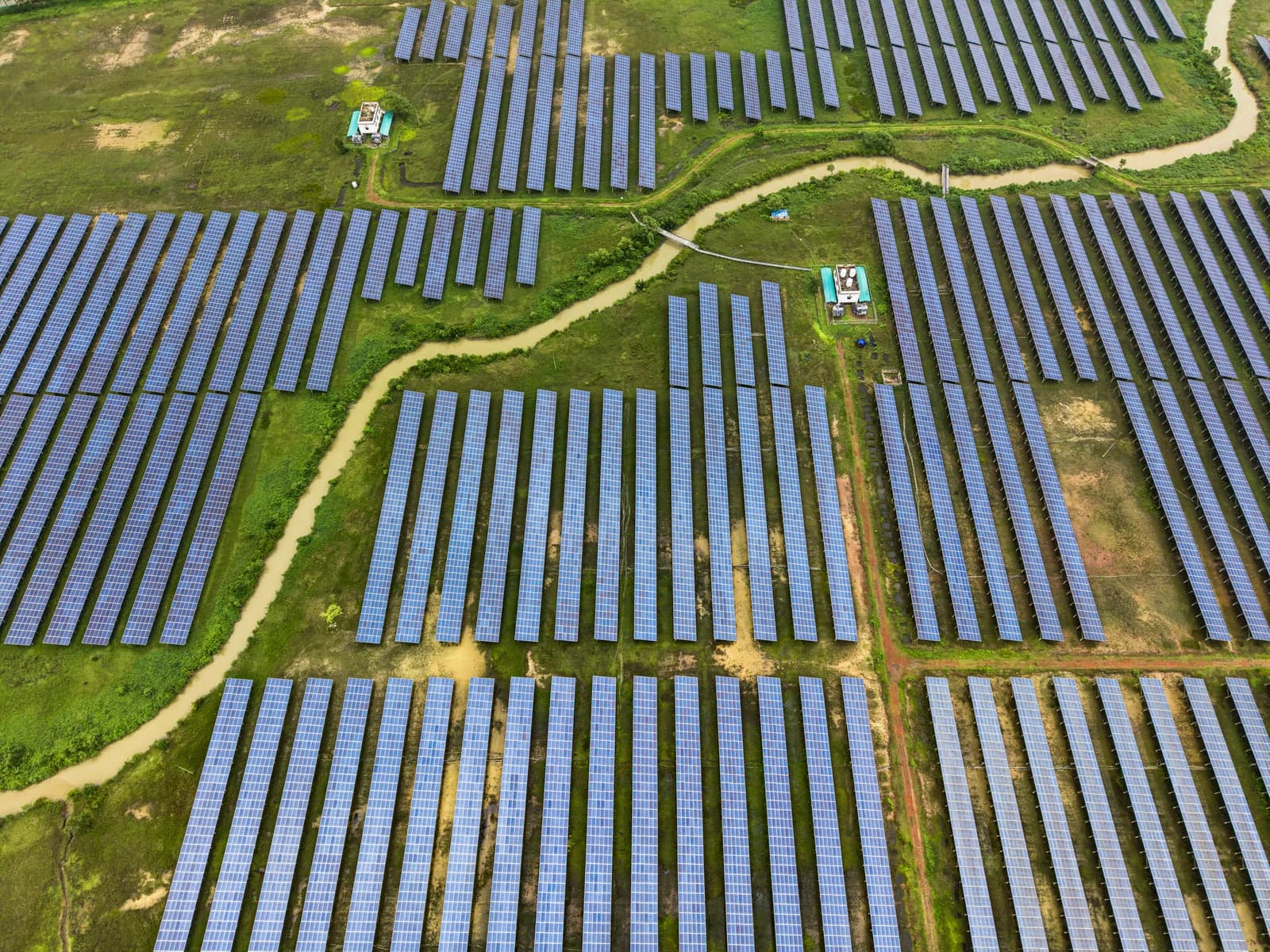
Buying utility solar panels is no longer just about the module nameplate rating; the real bottleneck is increasingly the inverter, and that is reshaping where the money flows in solar. For investors, that matters because the sector’s next leg of growth will be won by companies that control balance-of-system performance, grid integration and system efficiency, not just by those shipping more watts of glass.
The market is still treating solar as a pure panel story, but utility-scale projects are economics stories. Developers are trying to squeeze more megawatts, more usable output and better grid behavior out of each site while keeping capex under control. That puts inverter capacity, clipping losses, conversion efficiency and system architecture at the center of project returns. In other words, a solar farm’s value is determined by how much power it can actually deliver to the grid, not just how many kilowatts of modules sit in the field.
That is why the divergence across the solar complex matters. First Solar, the utility-scale module leader, has seen its stock rebound toward the mid-$200s and still trades above both its 50-day and 200-day moving averages, even after a sharp pullback from the $284 area. Enphase, which is more exposed to residential microinverters, has been far more volatile, sliding from the low $70s in June to about $38.60. SolarEdge, meanwhile, has been hit hardest, collapsing to roughly $30.83, well below its 50-day and 200-day averages and showing a weak RSI around 27, which suggests heavy technical damage even before the fundamental questions are fully answered.
The economic message is straightforward: the solar supply chain is shifting from simple module commoditization toward system-level integration. That favors the firms that can extract more power from constrained interconnection capacity and improve project-level returns. It also increases the leverage of inverter makers, balance-of-system suppliers and grid-facing technology providers as utilities and developers push to maximize output from each megawatt of approved capacity.
The broader backdrop is supportive. Utility solar demand remains tied to the global buildout of clean energy capacity, and the need for reliable, scalable generation is only increasing as countries try to retire fossil-fuel plants and reduce import dependence. Indonesia’s push to add solar and phase down diesel is one example; the same pattern is playing out across major markets from Europe to Asia, where grid constraints make efficient power conversion more valuable than ever.
Investors should read the message carefully. This is not simply a rebound trade in beaten-down solar stocks. It is a selection trade. The winners are the companies with technology that improves delivered energy, system reliability and project economics. The losers are the businesses that still depend on volume growth in a market where customers increasingly care about inverter capacity, not just panel count.
If that trend persists, the next upside surprise in solar will likely come from the picks-and-shovels of system optimization and grid integration, while module-only and less differentiated inverter names remain vulnerable to margin pressure and project delays. For investors, the actionable takeaway is to stay overweight the parts of solar tied to utility-scale efficiency and infrastructure buildout, and to be selective — very selective — in the names exposed to price competition and technology displacement.
| Entity | Gains | Losses |
|---|---|---|
| First Solar (FSLR) | ▲Utility-scale demand | ▼Module commoditization risk |
| Enphase (ENPH) | ▲System-optimization tailwind | ▼Residential volatility |
| SolarEdge (SEDG) | ▲Inverter relevance | ▼Margin pressure, weak momentum |
| Solar developers/utilities | ▲Better project economics | ▼Higher integration complexity |