SOLUM is gaining a larger foothold in Australia’s retail technology market as consumer electronics chain Bing Lee and premium grocer The Natural Grocery Company expand deployments of its electronic shelf labels, a move that highlights how retailers are using digital pricing infrastructure to cut labor, reduce errors and react faster to promotions.
SOLUM expands electronic shelf labels in Australia
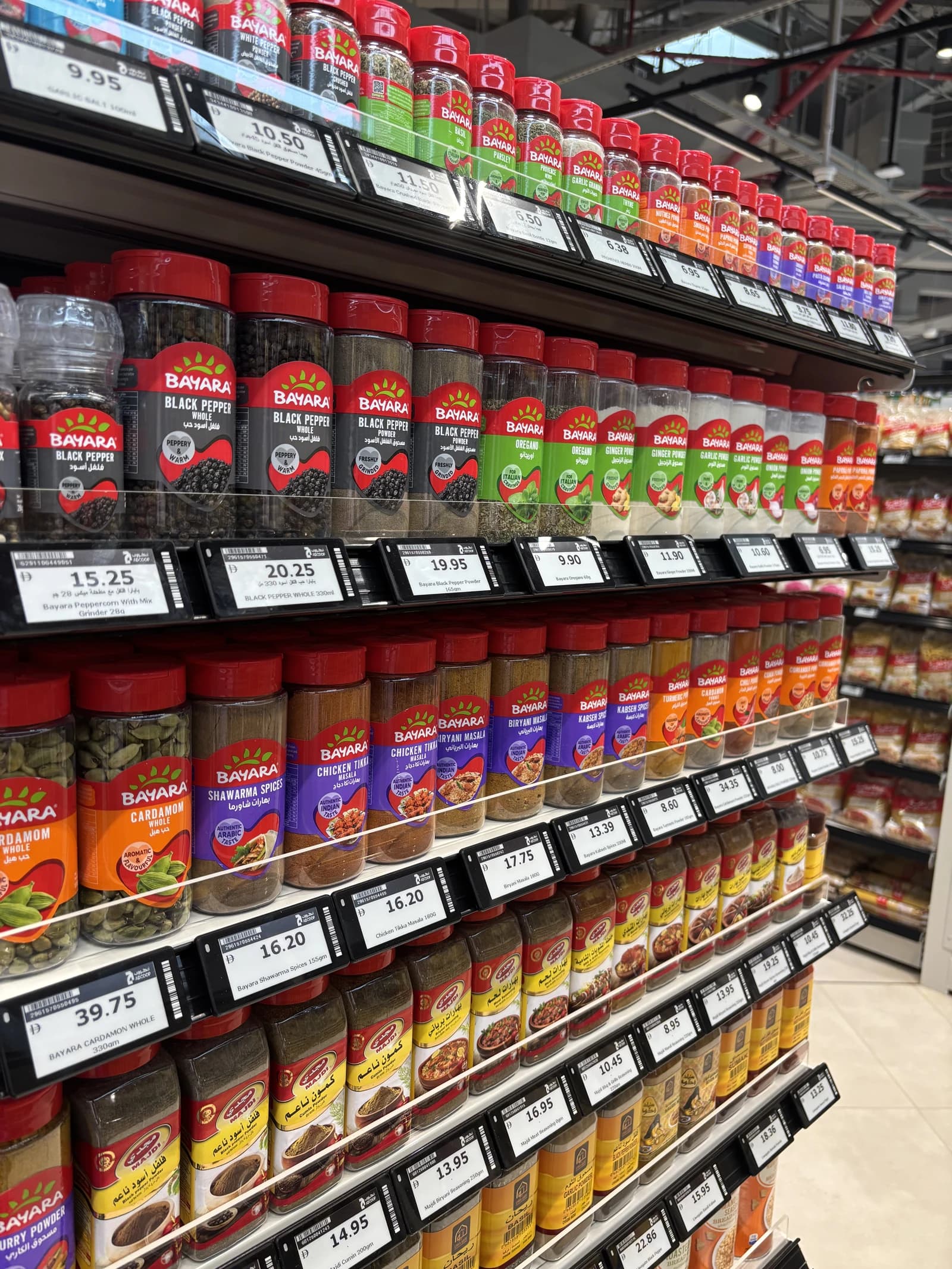
The development matters because ESLs are moving from pilot projects to operational tools in sectors where pricing changes are frequent and staff time is expensive. For retailers, the economics are straightforward: digital labels can replace repetitive manual printing and relabeling, reduce pricing mismatches at the shelf, and free employees for higher-value work. That can improve margins in businesses where labor remains one of the largest controllable costs and where promotional execution directly affects sales.
For SOLUM, the Australian wins extend a broader commercial push across Oceania and reinforce its position as a vendor to two very different retail formats: consumer electronics, where prices can shift quickly, and premium grocery, where freshness, promotion timing and accuracy matter. Bing Lee is expanding its rollout across multiple stores as part of a modernization push, while The Natural Grocery Company is using the system to enable real-time updates and faster promotional changes. Together, they suggest the company is building reference accounts that can support further adoption across the region.
The pitch is also aligned with broader retail priorities. Chains are under pressure to improve operational efficiency without sacrificing the shopping experience, and ESLs offer a visible, store-level way to do both. They also fit into sustainability programs by reducing paper use, a secondary benefit that can matter in supplier negotiations and brand positioning, even if the main investment case remains labor productivity and pricing control.
Investors typically view ESL adoption through the lens of recurring deployment revenue, expansion into multi-store rollouts and the possibility of broader regional penetration. The bull case is that SOLUM can turn one-off implementations into a network effect across retail verticals, particularly if more chains seek centralized pricing control. The bear case is that adoption can remain selective if retailers delay capital spending or if the return on investment fails to justify wider rollouts.
The next test is whether the Australian deals lead to more chain-wide conversions and additional Oceania customers. If SOLUM can keep converting early deployments into broader rollouts, the company’s ESL business should gain more visibility as retailers continue to digitize store operations.
| Entity | Gains | Losses |
|---|---|---|
| SOLUM | ▲More deployments | ▼Slower paper-label model |
| Bing Lee | ▲Lower labor burden | ▼Manual pricing work |
| The Natural Grocery Company | ▲Faster promotions | ▼Pricing errors |
| Rival label suppliers | ▲Less share opportunity | ▼Lost rollout wins |