Sony TSMC image sensor joint venture
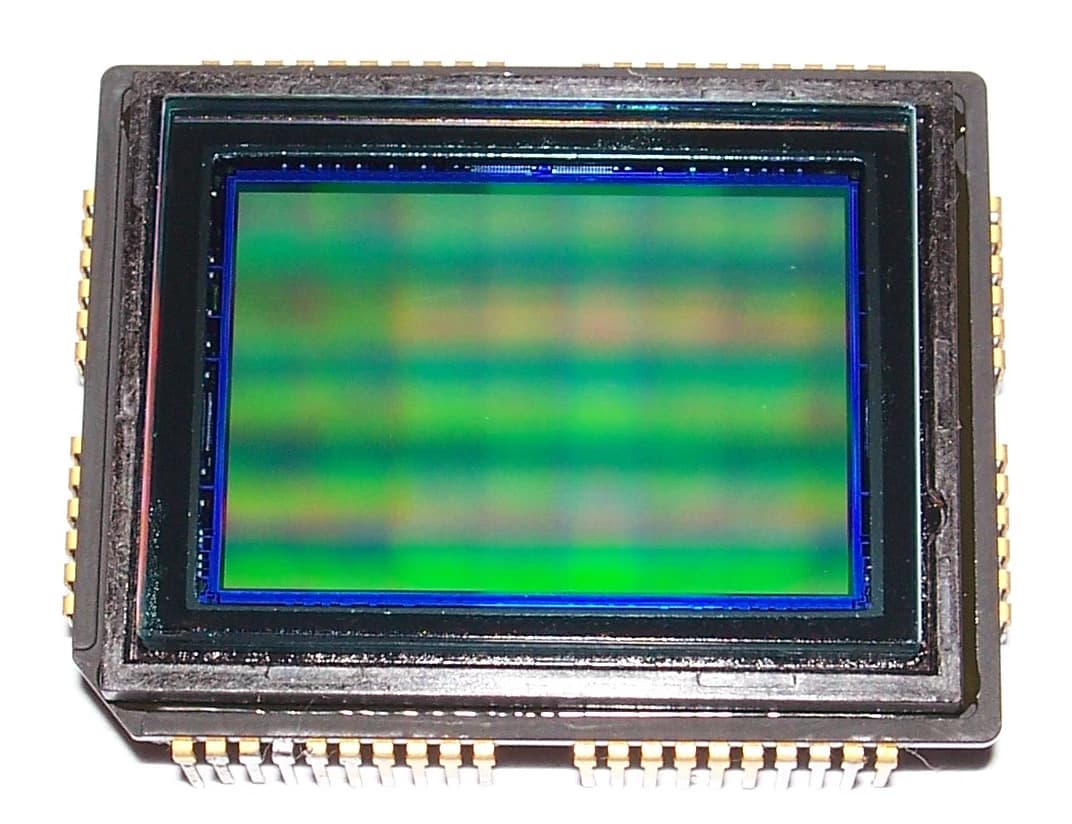
Sony is trying to lock in one of the most important bottlenecks in modern electronics: advanced image sensors, and it is doing so with the help of TSMC. For long-term investors, that matters because the companies that control critical hardware pipelines tend to capture value long after the headline product cycle has moved on.
The key development is Sony Semiconductor Solutions’ definitive agreement with TSMC to form a joint venture focused on image sensors. Sony said it plans to contribute about 465 billion yen through cash and asset transfers, while TSMC will add about 282 billion yen in cash. The point is not just capacity. It is control over the manufacturing chain for CMOS sensors, the components that sit inside smartphones, cars, industrial cameras and an expanding list of AI-enabled devices.
That makes this more than a supply deal. Sony already has a deep position in image sensing, and the JV gives it a way to scale that advantage without trying to build everything alone. TSMC brings world-class process expertise and manufacturing discipline, while Sony brings the sensor know-how and customer relationships. In a world where device makers are racing to add sharper cameras, better low-light performance and more on-device intelligence, the company that can reliably ship high-quality sensors should have pricing power and staying power.
For investors, the logic is straightforward. Sony’s exposure to CMOS sensors gives it a lever on secular growth, not just cyclical consumer spending. If AI phones, robotics, autonomous systems and advanced driver-assistance features keep multiplying, demand for higher-end sensors should follow. That is the kind of trend that can support earnings for years, not quarters.
The market has already noticed that Sony remains tied to a valuable semiconductor franchise, even as its stock has been volatile. Technical indicators around the shares show a recovery from earlier weakness, with the stock trading above its 50-day moving average and momentum improving from deeply oversold levels earlier in the year. That does not change the investment case by itself, but it underscores how quickly sentiment can turn when investors start pricing in stronger execution.
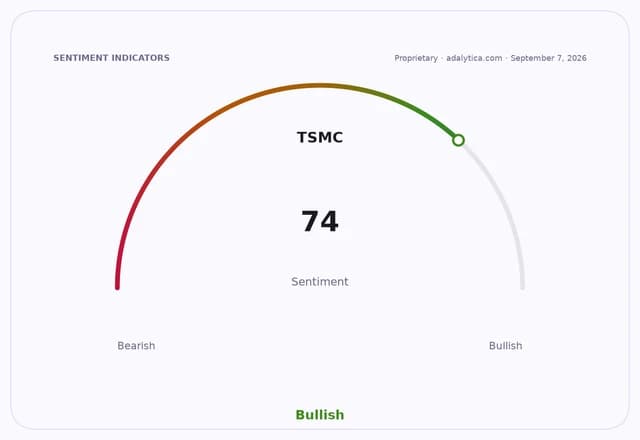
TSMC also has something to gain. The Taiwanese foundry giant is already at the center of the chip ecosystem, and another joint venture with a major customer deepens its role in a segment where manufacturing scale and yield matter as much as design. The company’s own stock has recovered sharply from spring weakness and remains near its 50-day moving average, reflecting continued confidence in its ability to serve the AI hardware cycle. Adalytica’s earnings sentiment reading for TSMC has also turned to “Greed,” showing that investors are again willing to pay for its strategic position in the supply chain.
Still, this is not a risk-free story. The JV must be executed cleanly, capital must be deployed well and demand must stay strong enough to justify the investment. Semiconductor manufacturing is brutally competitive, and any slowdown in handset upgrades or auto electronics could pressure returns. But Sony is not making a speculative moonshot here. It is reinforcing a franchise it already owns.
For patient investors, that is exactly the kind of move worth watching. Sony is positioning itself where the next decade of imaging, sensing and AI hardware is likely to be built. If the venture delivers, it could strengthen Sony’s moat and give shareholders a steadier compounding engine than the market has historically given the stock credit for.
| Entity | Gains | Losses |
|---|---|---|
| Sony | ▲Sensor scale and control | ▼Upfront capital risk |
| TSMC | ▲Deeper customer ties | ▼JV execution burden |
| AI device makers | ▲Better sensor supply | ▼Less supplier flexibility |
| Competitors | ▲— | ▼Tougher margin pressure |