South Africa’s fiscal debate is shifting from how much money the state raises to how poorly it spends it, after Public Service Commission chair Somadoda Fikeni told the Madlanga Commission that “money is everywhere, except for where it is needed.”
South Africa Fiscal Debate Shifts to Spending Waste
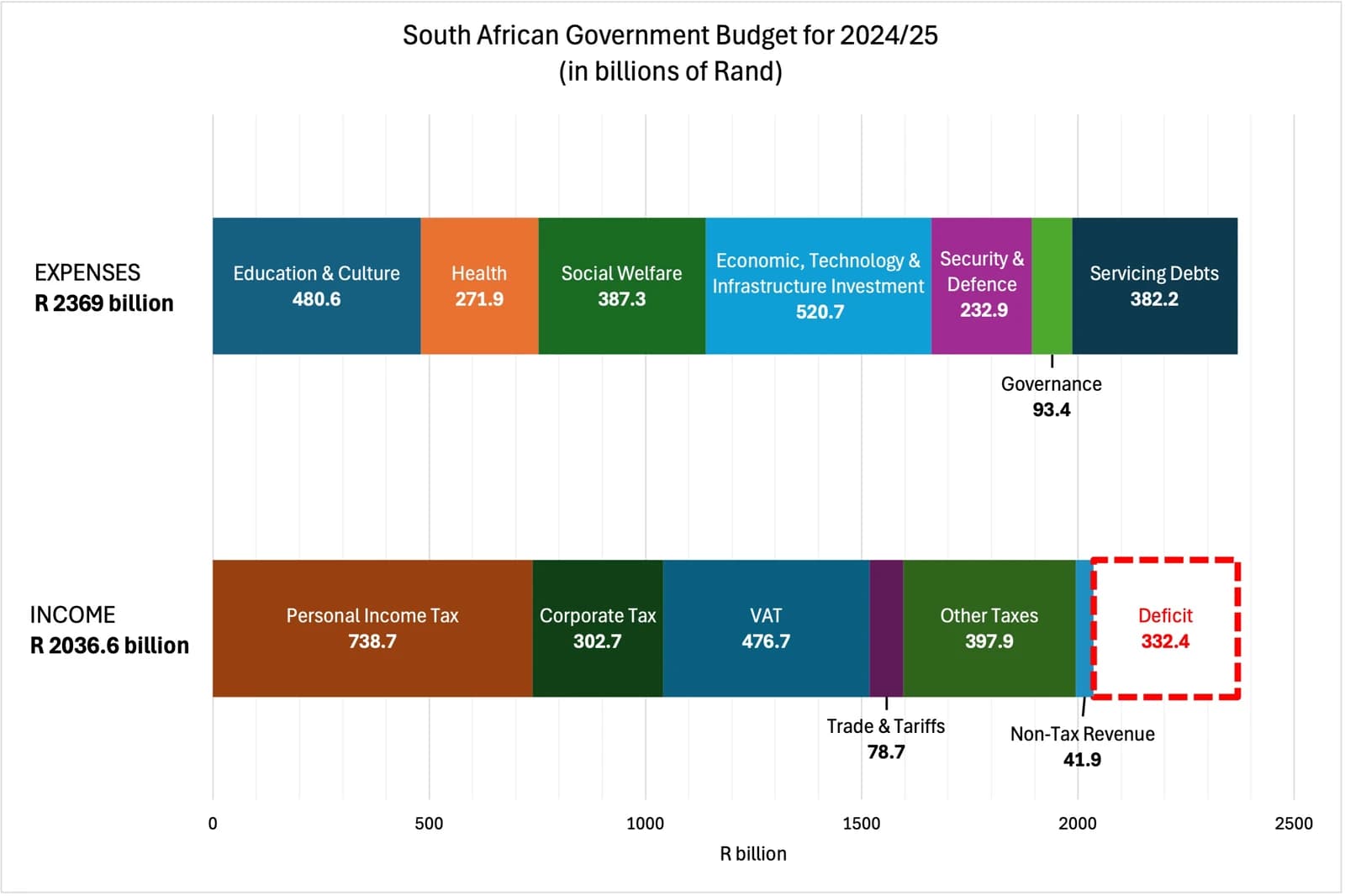
That assessment matters because it points to a structural weakness in public finance: the economy is not only constrained by limited revenue and weak growth, but by the government’s inability to turn budget allocations into services, infrastructure and jobs. If departments cannot spend what Parliament has already approved, then higher taxes or bigger deficits will not by themselves fix delivery failures. The bottleneck is execution, not just funding.
Fikeni’s warning was backed by examples that underscore the scale of the waste. He said the Land Reform department returned R5 billion unused, while the UIF had close to R14 billion returned. In a country where unemployment remains entrenched and public services are under strain, money sitting idle in departmental accounts represents forgone economic activity as well as political risk. Unspent funds also tend to point to procurement delays, weak planning, vacancies and governance breakdowns — all of which can slow growth and depress confidence in the state’s ability to implement policy.
The broader implication for investors is that South Africa’s reform story is now as much about administrative capacity as it is about legislation. Markets can price in policy commitments, but they struggle to value ministries and agencies that are run by acting officials, lack stable leadership and cannot execute budgets. Fikeni said inconsistencies in departmental positions and the reliance on acting appointments make people reluctant to act, reinforcing a cycle in which decision-making slows, projects stall and allocations go unused.
That is economically significant for a country already wrestling with low trend growth and persistent pressure on public finances. Every rand returned unused weakens the case that higher spending will translate into stronger activity, while every failed implementation cycle raises the cost of state intervention. For bonds, the message is mixed: fiscal waste may reduce the efficiency of public spending, but it can also heighten pressure for future borrowing if the government keeps announcing priorities it cannot deliver.
The political economy is also changing. Fikeni’s description of “the politics of economic inefficiencies” captures a system in which spending lapses are not isolated administrative errors but a recurring feature of governance. That makes the issue relevant not only to service delivery, but to wage bargaining, social grants administration, land reform and labour-market support — all areas where the state’s ability to deploy funds quickly affects social stability and private-sector planning.
For investors, the key question is whether reform efforts will begin to focus on execution discipline: filling senior posts permanently, tightening project management and forcing departments to spend or lose allocations. Until that happens, South Africa’s budget problem will remain less about money and more about whether the state can use what it already has.
| Entity | Gains | Losses |
|---|---|---|
| Treasury/fiscal hawks | ▲stronger case for spending discipline | ▼pressure for larger budgets |
| Efficient departments | ▲more scrutiny and potential reallocation | ▼slower peers and weak administrators |
| South African public services | ▲possible reform focus | ▼citizens facing delayed delivery |
| Bondholders/taxpayers | ▲lower risk of wasteful spending | ▼higher risk of future fiscal slippage |